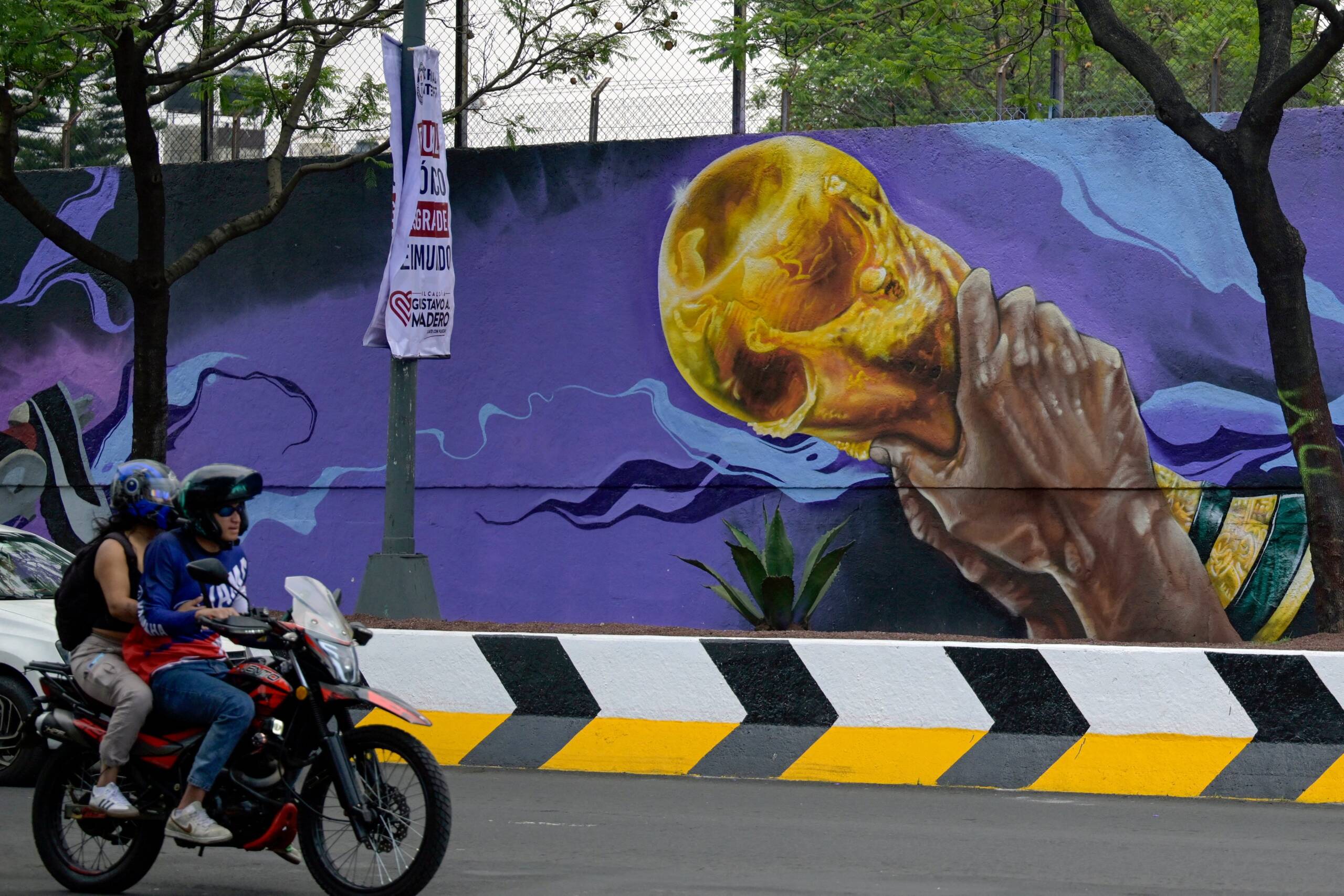
FIFA World Cup 2026 Set to Usher in New Era with Historic 48-Team Format

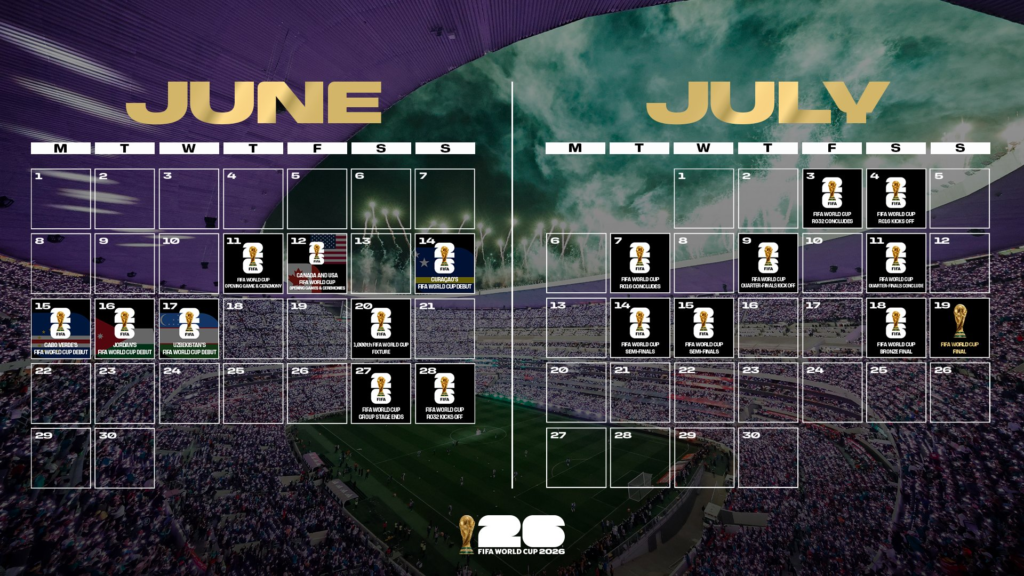
New Delhi, June 2026 : The FIFA World Cup 2026 is poised to transform international football as the sport’s premier tournament expands from 32 to 48 teams for the first time in its history. Scheduled to begin on June 11, the event will not only be the largest World Cup ever staged but will also introduce a significantly revamped competition format aimed at making the tournament more inclusive and globally representative.
Jointly hosted by the United States, Canada and Mexico, the 2026 edition will set several milestones. It will feature more participating nations, more matches and a longer duration than any previous World Cup. FIFA believes the expanded structure will provide greater opportunities for countries from all confederations to compete on football’s biggest stage, while also increasing global fan engagement.
Under the format used from 1998 through 2022, 32 teams were divided into eight groups of four teams each. After the group stage, the top two teams from every group advanced to the Round of 16, where the knockout phase began.
For the 2026 tournament, the number of participating teams has increased to 48, resulting in a new competition structure. The teams will be divided into 12 groups of four. Each nation will continue to play three group-stage matches, ensuring that the familiar format of group competition remains intact.
The qualification process for the knockout rounds, however, has undergone a major change. The top two teams from each of the 12 groups will automatically progress, accounting for 24 teams. They will be joined by the eight best third-placed teams, bringing the total number of teams advancing to the knockout stage to 32.
This expansion has led to the introduction of an additional knockout round — the Round of 32. Teams will then compete through the traditional knockout pathway of the Round of 16, quarterfinals, semifinals and the final.
As a result of the new structure, the total number of matches will rise dramatically from 64 to 104. The tournament will extend over nearly six weeks, giving fans around the world more football than ever before and creating additional opportunities for broadcasters, sponsors and host cities.
One of the most significant impacts of the expanded tournament is the increased representation for nations that have historically found it difficult to qualify. Several countries are set to make long-awaited returns to the World Cup stage. Iraq, for example, will appear in the tournament for the first time in four decades, while Scotland is set to return after a 28-year absence, highlighting the broader access created by the enlarged competition.
The tournament will be played across 16 venues spread over three countries. The United States will host the majority of the matches with 11 stadiums, while Mexico will provide three venues and Canada two. The United States will also host the final, underscoring its central role in the tournament.
Mexico will create history by becoming the first country to host matches in three separate FIFA World Cups, having previously staged tournaments in 1970 and 1986. The three-nation hosting arrangement is also unprecedented and reflects FIFA’s ambition to deliver a truly continental football festival.
Beyond the action on the field, FIFA World Cup 2026 is expected to become one of the largest sporting events ever organised. With an expanded match schedule, broader global participation and increased viewing opportunities, the tournament is projected to generate record revenues, attract massive broadcasting audiences and draw millions of fans to stadiums across North America, marking the beginning of a new chapter in World Cup history.


Malda Police Bust Cough Syrup Smuggling Racket, Seize Rs 2.41 Crore Cash and Gold
Kolkata, Aug 2026 West Bengal Police have busted an alleged cough syrup smuggling racket o…
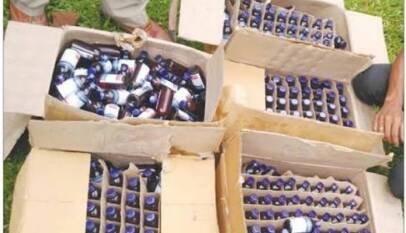
Malda Police Bust Cough Syrup Smuggling Racket, Seize Rs 2.41 Crore Cash and Gold
Kolkata, Aug 2026 West Bengal Police have busted an alleged cough syrup smuggling racket …