Trump Defends Iran Military Action, Says Preventing Nuclear Threat Is ‘America First’ Policy

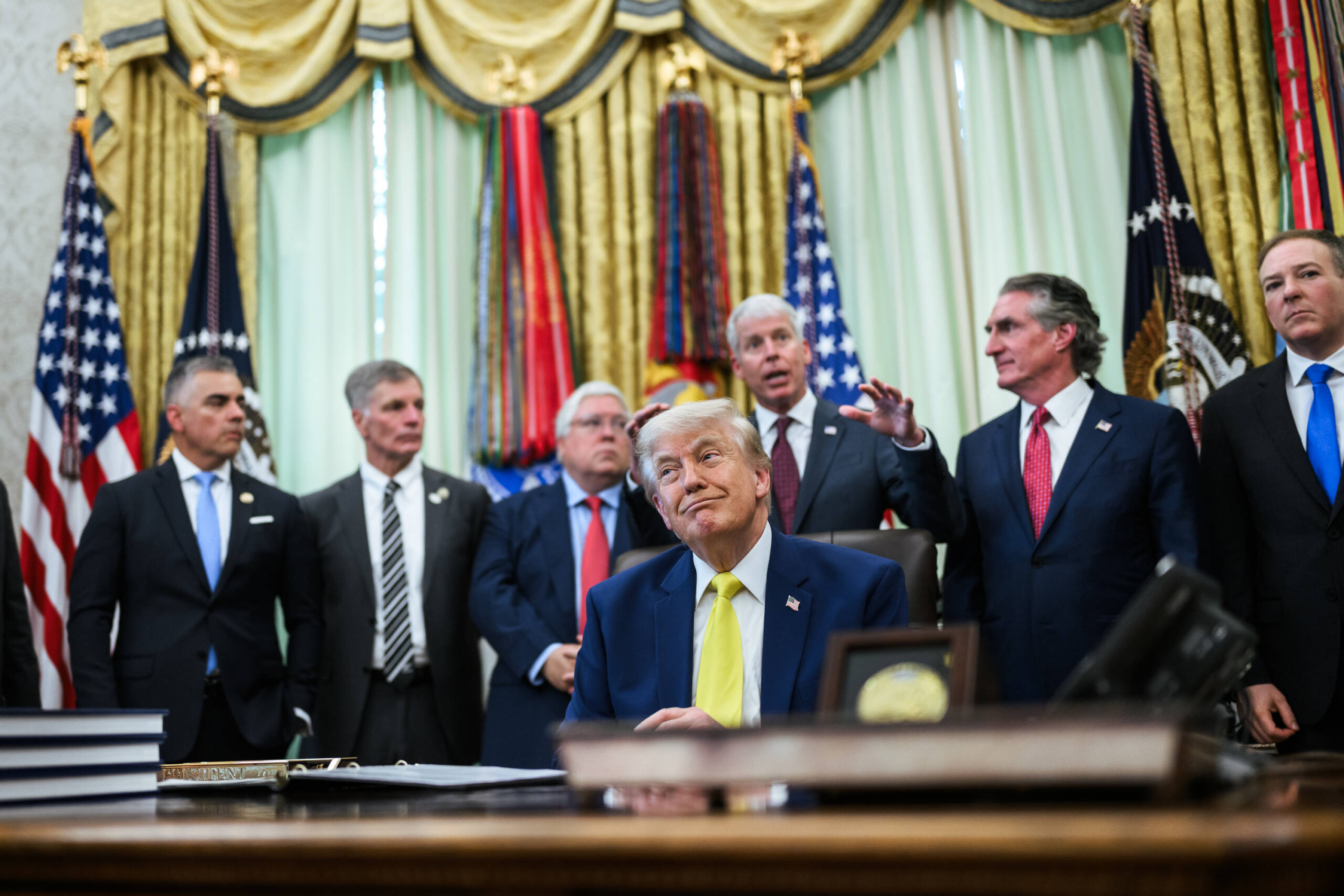
Washington, June 2026 : US President Donald Trump has strongly defended the United States’ military action against Iran, rejecting criticism that the conflict contradicts his long-standing opposition to foreign military interventions. In an interview with NBC’s Meet the Press, Trump argued that the operation was necessary to prevent Iran from acquiring nuclear weapons and insisted that the decision was in the best interests of the United States and its allies.
Responding to questions about whether the military campaign violated a key promise he had made during his presidential campaigns to avoid new wars, Trump firmly denied any inconsistency.
“No. No,” Trump said when asked if he had broken that pledge. He maintained that the circumstances required decisive action to address what he described as a serious security threat posed by Iran’s nuclear ambitions.
According to the President, the objective of the operation was to stop a powerful and potentially dangerous nation from obtaining a nuclear weapon. Trump argued that allowing Iran to develop such capabilities would endanger not only the United States but also countries across the Middle East and beyond.
“I’m doing our country a service. It’s America first,” Trump said, emphasizing that national security considerations guided his decision-making.
The President also challenged the notion that he had ever promised to avoid all military conflicts during his time in office. While reiterating his opposition to prolonged foreign engagements, he distinguished the current situation from what he has often described as “endless wars.”
“First of all, I didn’t guarantee no war. I don’t like these endless wars. This is not an endless war,” Trump said during the interview.
Trump explained that he viewed the Iranian nuclear programme as an urgent threat requiring immediate attention. He said he had consulted with senior advisers and members of his administration before authorising military action, concluding that preventing Iran from acquiring nuclear weapons was essential for regional and global stability.
The President also revisited his long-standing criticism of the nuclear agreement negotiated during former President Barack Obama’s administration. Trump noted that he withdrew the United States from the deal during his earlier term in office, arguing that it failed to adequately address concerns over Iran’s nuclear activities. He has repeatedly maintained that Iran must never be allowed to possess nuclear weapons.
Trump claimed that subsequent military operations had significantly damaged Iran’s military and nuclear capabilities. He asserted that strikes against Iranian nuclear facilities had substantially reduced the country’s ability to advance its nuclear programme, although independent assessments of the full impact continue to be debated internationally.
Dismissing fears that the conflict could evolve into another lengthy military commitment in the Middle East, Trump insisted that the United States was close to achieving its objectives.
“We’re not gonna be there. It’s not a quagmire,” he said, arguing that the operation had already weakened Iran’s military infrastructure and diminished what he described as the nuclear threat.
At the same time, the President indicated that diplomacy remained an option. He expressed optimism that negotiations could still produce a comprehensive agreement, while making clear that military pressure would continue if talks failed. Recent comments from Trump have suggested that discussions with Iranian leaders remain active, with Washington seeking guarantees that Tehran will not pursue nuclear weapons.
The dispute over Iran’s nuclear programme has been a central issue in US foreign policy for more than two decades. Successive administrations have sought to prevent Tehran from developing nuclear weapons through a combination of sanctions, diplomacy, international inspections and, at times, military deterrence. The issue remains one of the most consequential and contentious challenges in Middle East geopolitics, with significant implications for regional security and global stability.
(The content of this article is sourced from a news agency and has not been edited by the Mavericknews30 team.)



PM congratulates Major Abhilasha Barak on being conferred the UN Military Gender Advocate of the Year Award
Prime Minister Shri Narendra Modi today congratulated Major Abhilasha Barak on being confe…
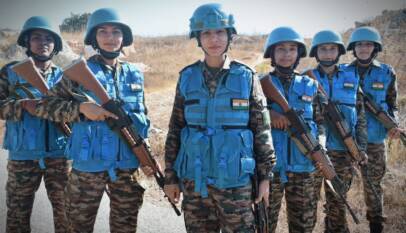
PM congratulates Major Abhilasha Barak on being conferred the UN Military Gender Advocate of the Year Award
Prime Minister Shri Narendra Modi today congratulated Major Abhilasha Barak on being conferred the …