Iran Imposes $2 Million Transit Fee in Strait of Hormuz Amid Rising Tensions

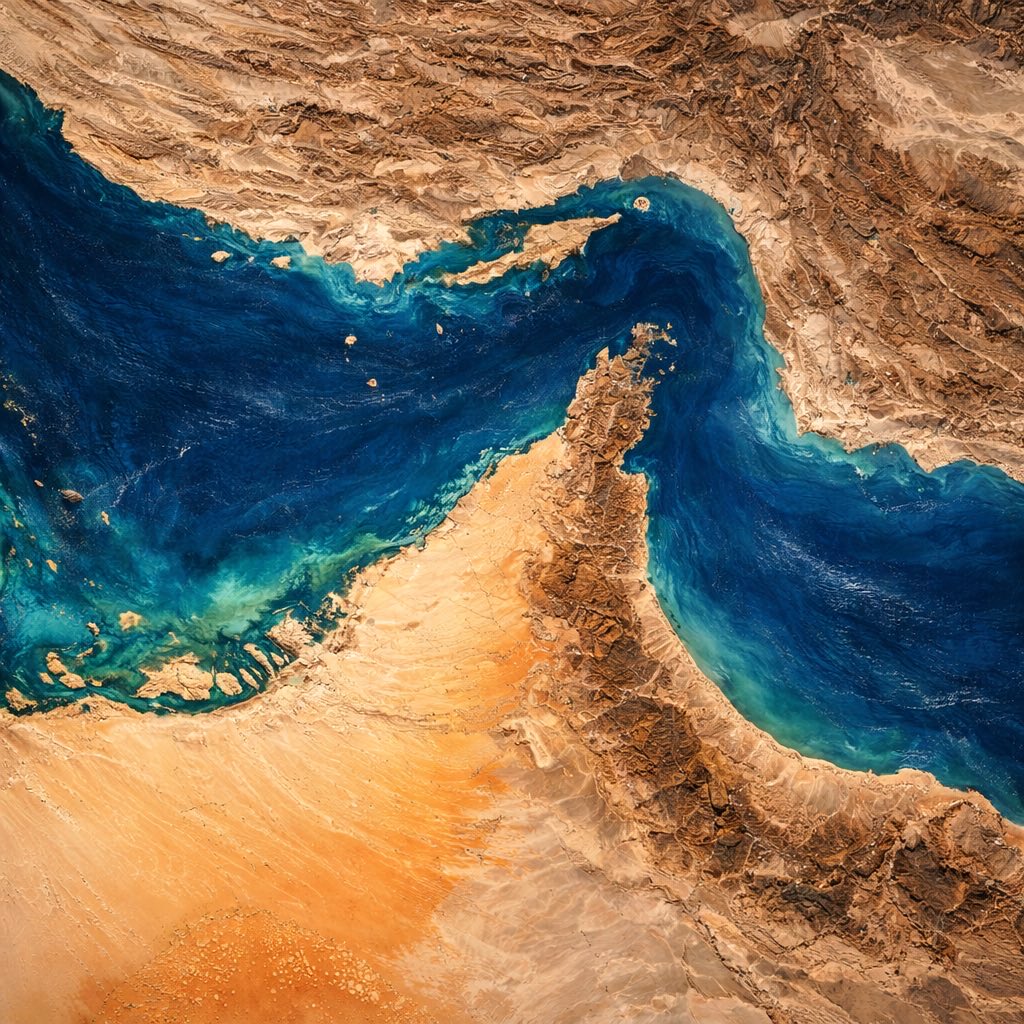
Tehran, March 2026 : Amid escalating tensions with the United States and Israel, Iran has introduced a new policy requiring certain vessels to pay a transit fee of $2 million (approximately ₹18.8 crore) to pass through the strategically crucial Strait of Hormuz. The move is being seen as a significant assertion of control over one of the world’s most vital maritime routes.
Iranian President Masoud Pezeshkian stated that the strait remains “open to everyone,” except for nations considered adversaries by Tehran. His remarks, shared on social media, outlined Iran’s evolving stance on access to the waterway, which plays a key role in global energy supplies.
The policy has already come into effect, according to Iranian lawmaker Alaeddin Boroujerdi, who described it as part of a broader shift toward a “sovereign regime” governing the strait. He emphasized that charging transit fees reflects Iran’s authority and is a necessary step given the costs associated with the ongoing conflict. “War has its expenses, and naturally we must collect fees from ships crossing the Strait of Hormuz,” he said, underlining the government’s position.
Despite the new charges, Iran has reiterated that the Strait of Hormuz has not been closed. The Foreign Ministry clarified that navigation continues under regulated conditions aimed at ensuring security during wartime. Tehran maintains that it has long upheld the principles of maritime safety and freedom of navigation, even as the regional situation becomes increasingly volatile.
However, Iranian authorities have indicated that restrictions may apply to vessels linked to countries involved in hostilities against Iran. Ships from neutral or non-hostile nations can continue to pass through the strait, provided they comply with safety protocols and coordinate with Iranian authorities.
The development comes against the backdrop of heightened geopolitical tensions in the Gulf region. Iran has accused the United States and Israel of military aggression, stating that such actions have created instability and posed risks to maritime security. In response, Tehran has taken measures it describes as defensive, including targeting military installations associated with its adversaries.
Adding to the tension, former US President Donald Trump recently issued a strong warning, stating that the United States could strike Iran’s power infrastructure if the Strait of Hormuz is not fully reopened without conditions. His remarks have further escalated concerns over a potential widening of the conflict.
The Strait of Hormuz remains a critical chokepoint for global oil shipments, and any disruption or additional cost burden is likely to have ripple effects on international energy markets and trade. Analysts believe Iran’s latest move signals both a strategic and economic response to mounting pressure, while also underscoring the fragile security environment in the region.
(The content of this article is sourced from a news agency and has not been edited by the Mavericknews30 team.)






20th May Is World Bee Day; FAO Leads The Celebrations.
Rome; May 2026: By observing World Bee Day each year, we can raise awareness on the essent…

20th May Is World Bee Day; FAO Leads The Celebrations.
Rome; May 2026: By observing World Bee Day each year, we can raise awareness …