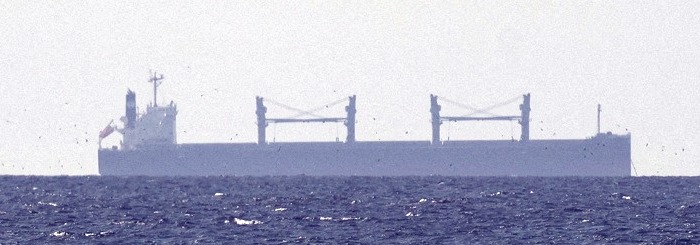
Iran Drafting Protocol With Oman For Strait Of Hormuz Transit Oversight: Deputy FM.

Tehran; April 2026: Iran’s Deputy Foreign Minister Kazem Gharibabadi has said that his country is preparing a joint protocol with Oman to oversee vessel traffic in the Strait of Hormuz, stressing that the move is aimed at ensuring safe and efficient passage rather than imposing restrictions.
Speaking in an interview with media reporters, Gharibabadi said Tehran is in the final stages of drafting a framework with Oman to coordinate maritime transit through the strategic waterway. “Once the internal drafting is completed, we will certainly begin our negotiations with the Omani side as well so that we can finalise a joint protocol”, he said.
He noted that even in peacetime, ship movements could be conducted under the supervision and coordination of the two coastal states to enhance safety, environmental protection, and service provision. According to Gharibabadi, vessels would obtain necessary and prompt clearances to ensure secure passage. He emphasised that such measures would not limit navigation but would instead facilitate smoother transit and improve services for ships crossing the strait.
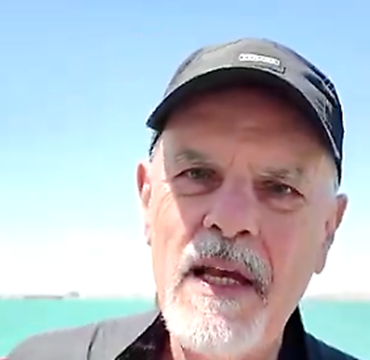
Meanwhile, Tim Anderson, Eminent Australian Academic, Director of the Centre for Counter Hegemonic Studies have said that while visiting the Strait of Hormuz, the world is rapidly accepting Iran’s new regulation in the strait.
Addressing current tensions, Gharibabadi said wartime conditions have already affected maritime movement, adding that restrictions are a direct consequence of aggressive actions by the United States, Israel, and their allies. He has warned that in the event of further aggression, commercial and military vessels belonging to “aggressors and their supporters” could be barred from passing through the strait.
On the possibility of attacks against Iran’s nuclear facilities, Gharibabadi said Tehran would respond proportionally, including targeting similar facilities of its enemies if attacks continued or were launched from third countries’ territories. He has reiterated that Iran remains committed to the Nuclear Non-Proliferation Treaty (NPT), though domestic criticism has grown over insufficient international protection for Iran’s nuclear activities. Discussions about a potential withdrawal from the treaty have surfaced in parliament, he added.
Gharibabadi also stressed that Iran’s nuclear doctrine remains unchanged, maintaining that its program is solely for peaceful purposes and that there is no link between nuclear policy and navigation rules in the Strait of Hormuz.
Geopolitical analyst Ryan Dawson said that Israel starts the war, America pays for the offensive, and then it hands the bill over to the Arab countries in the Persian Gulf.
Team Maverick.




Wimbledon Final Locked at One Set Each as Sinner Fights Back Against Zverev
London, July 2026 : World No. 1 Jannik Sinner displayed remarkable resilience to fight bac…

Wimbledon Final Locked at One Set Each as Sinner Fights Back Against Zverev
London, July 2026 : World No. 1 Jannik Sinner displayed remarkable resilience to fight …