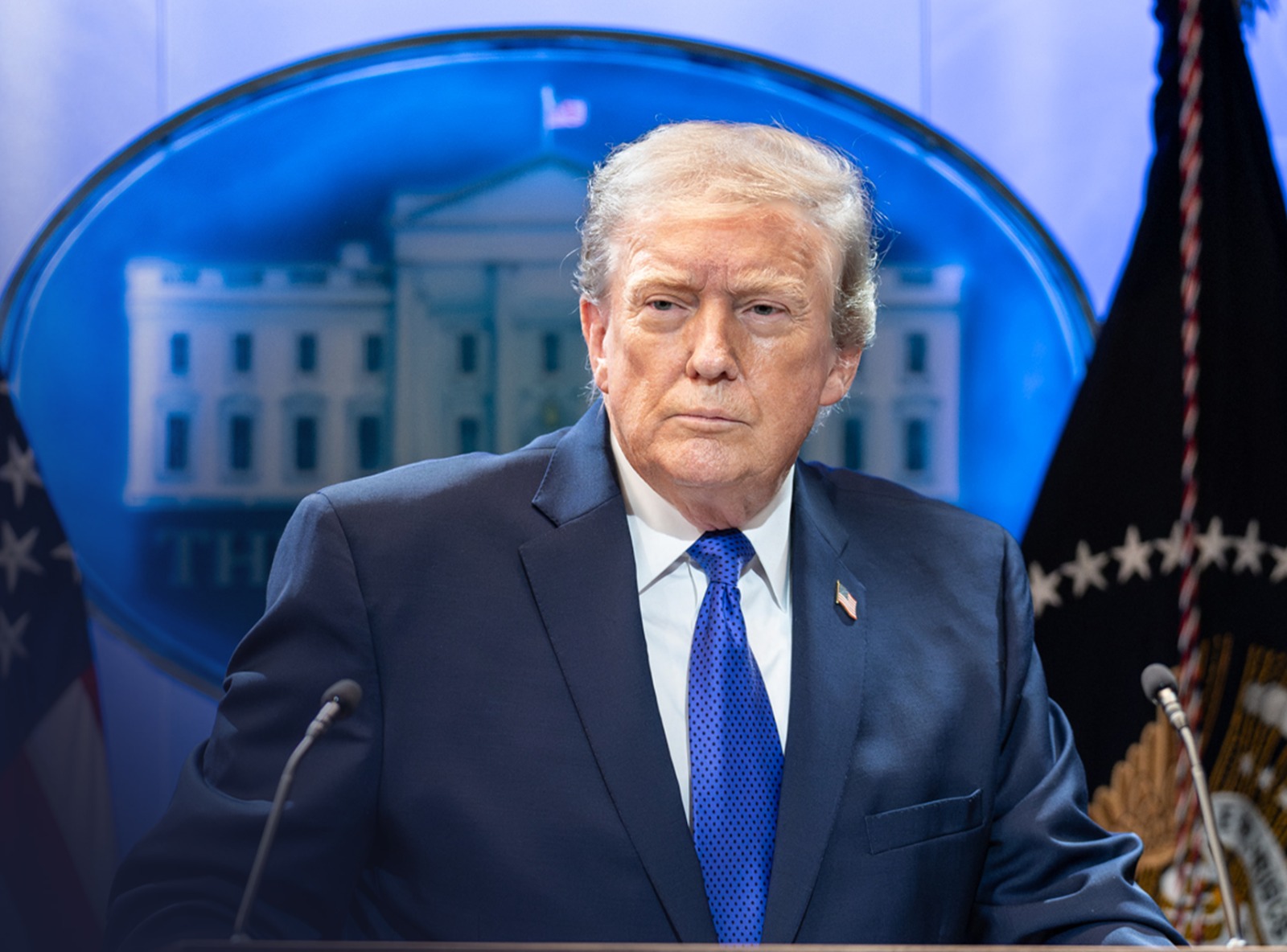
Trump Holds Firm on Iran Strike Deadline as Diplomatic Window Narrows

Washington, April 2026 : US President Donald Trump is maintaining a hardline stance on potential military action against Iran, with the White House indicating that Tehran has only hours left to respond before a self-imposed deadline expires.
According to reports, Trump has reiterated his commitment to act if ongoing negotiations fail to produce a breakthrough. Speaking to Fox News anchor Bret Baier, the President reportedly made it clear that the 8 p.m. Eastern Time deadline “is happening,” warning that failure to reach an agreement could result in an unprecedented military response.
Echoing this urgency, White House Press Secretary Karoline Leavitt stated that Iran must “meet the moment” and finalise a deal within the given timeframe. She emphasised that only the President is fully aware of the situation and the course of action that may follow.
The developments mark a sharp escalation in tensions centred around the strategically vital Strait of Hormuz, a key route for global oil shipments. The US has already conducted strikes on certain Iranian military targets in recent days, raising the stakes further.
Trump’s rhetoric has also intensified, with the President warning of catastrophic consequences if the situation deteriorates. In a stark message, he suggested that further escalation could lead to irreversible destruction, calling it one of the most critical moments in modern global history.
Despite the aggressive posture, the US administration has kept the door open for diplomacy. Trump has indicated that meaningful progress in negotiations—even at the last minute—could alter the course of events. “If something concrete emerges, that could change,” he reportedly conveyed, leaving a narrow window for de-escalation.
However, uncertainty clouds the diplomatic landscape. While some US officials have hinted at ongoing backchannel communications, reports have also emerged suggesting that Iran may have halted formal talks with Washington. The situation remains fluid, with conflicting signals about the status of negotiations.
Adding to the complexity, there are questions regarding decision-making within Iran’s leadership. Analysts have pointed to internal dynamics that may be affecting the country’s ability to respond swiftly and decisively. Baier noted that it remains unclear who holds ultimate authority in Tehran at this critical juncture.
At the same time, there have been tentative signs of possible diplomatic movement. Reports indicate that Iran has released two French nationals who had been detained for several years, a move that has sparked cautious optimism about potential behind-the-scenes negotiations.
Meanwhile, the situation has sparked intense debate across US media and policy circles. Some commentators have warned about the implications of the President’s strong rhetoric, describing it as a significant escalation with far-reaching consequences.
The administration, however, appears to be factoring in recent military developments as well. A sense of momentum following earlier operations may be influencing Washington’s current stance, reinforcing its willingness to act if diplomacy fails.
As the deadline approaches, the world watches closely. Whether the crisis moves toward conflict or resolution may depend on developments within a matter of hours, making this one of the most critical flashpoints in recent international relations.




US Says Naval Blockade on Iran Remains in Force, Multiple Commercial Vessels Intercepted
Washington, July 2026: The United States has reaffirmed that its naval blockade against Ir…

US Says Naval Blockade on Iran Remains in Force, Multiple Commercial Vessels Intercepted
Washington, July 2026: The United States has reaffirmed that its naval blockade against Iran …