Nara Lokesh Appointed TDP Working President in Major Organisational Overhaul

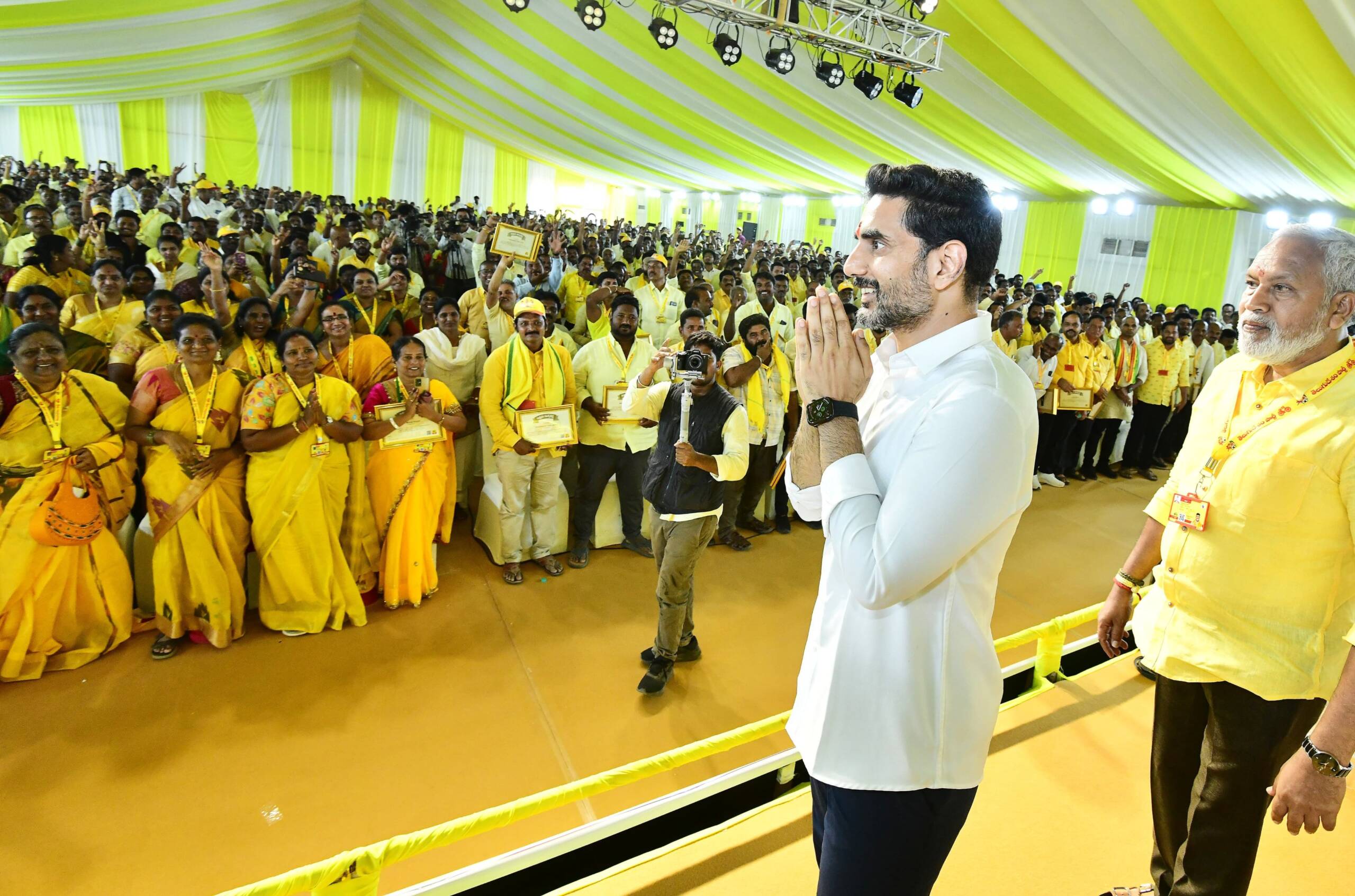
Amaravati, April 2026 : In a significant political development, Nara Lokesh has been appointed as the national Working President of the Telugu Desam Party (TDP), marking a major reshuffle within the party and signalling a clear transition towards a new generation of leadership.
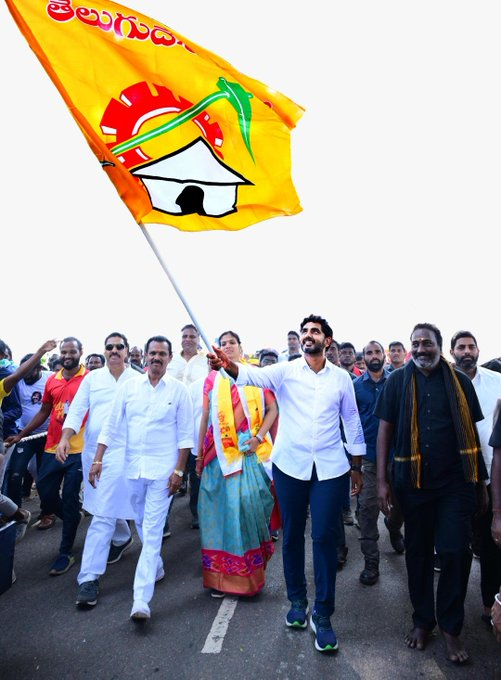
The announcement was made on Wednesday alongside the unveiling of the party’s revamped Politburo, National Committee, and State Committee. Lokesh, who currently serves as the party’s national General Secretary and is the son of Andhra Pradesh Chief Minister N. Chandrababu Naidu, is widely regarded as his political successor. His elevation to the newly created post of Working President—the first in the party’s history—underscores this succession plan.
At 43, Lokesh has steadily risen within the party ranks and previously handled key portfolios such as human resources development, information technology, and electronics in the state government. His promotion comes nearly two years after the TDP-led National Democratic Alliance (NDA) secured a landslide victory in Andhra Pradesh, a success in which Lokesh is believed to have played a pivotal role. The move is seen both as recognition of his contribution and as a strategic step to prepare the party for future electoral battles.
The leadership restructuring also includes the appointment of MLA Palla Srinivas as the state president, completing a realignment aimed at strengthening the organisational framework at multiple levels.
In a landmark decision reflecting a push for gender inclusivity, the TDP has appointed its first-ever woman National General Secretary, Byreddy Shabari. She will work alongside Union Minister Ram Mohan Naidu and Rajesh Kilaru in the role. The party highlighted that this step aligns with its broader commitment to enhancing women’s representation, especially in the context of the evolving discourse around women’s reservation in legislative bodies.
The newly constituted organisational structure is expansive, featuring a 29-member Politburo, a 31-member National Committee, and a 185-member State Committee. According to the party, these bodies were formed after extensive consultations, taking into account social, regional, and political balance, as well as long-term strategic goals, including preparations for the 2029 elections and potential constituency reorganisation.
A notable aspect of the restructuring is its strong emphasis on social justice and inclusive representation. Out of the 185 members in the State Committee, 122 belong to weaker sections. This includes 77 members from Backward Classes, 25 from Scheduled Castes, 7 from Scheduled Tribes, and 13 from minority communities. In percentage terms, representation stands at 40 per cent for Backward Classes, 25 per cent for Scheduled Castes, 3.8 per cent for Scheduled Tribes, and 7 per cent for minorities.
Women have also been given unprecedented importance in the new setup. Fifty women have been included in the State Committee, with significant representation ensured across the Politburo and National Committee as well. This reflects the party’s alignment with the broader policy direction advocating 33 per cent reservation for women.
In a break from convention, the TDP has elevated grassroots leaders directly to top decision-making bodies. For the first time, figures such as Gantyada Sridevi and Guttikonda Dhanunjay—who previously served as a Mandal Party President and Cluster In-charge respectively—have been inducted into the Politburo. This move signals a shift towards recognising ground-level leadership and rewarding organisational work.
The party emphasised that the restructuring reflects a merit-based approach, where dedication, performance, and long-standing commitment have been prioritised over hierarchy. With Lokesh now at the forefront and a restructured leadership team in place, the TDP appears to be charting a clear course for the future, blending generational change with a renewed focus on inclusivity and organisational strength.


South Africa Midfielder Jayden Adams Dies at 25, Nation Mourns Rising Football Star
Johannesburg, July 2026 : South African football has been plunged into mourning following …

South Africa Midfielder Jayden Adams Dies at 25, Nation Mourns Rising Football Star
Johannesburg, July 2026 : South African football has been plunged into mourning following the …