North Korea: An Unexpected Surge In Taxi Ride, As Netizens Sway From Rice Plantation Mobilisation Drives.

Pyongyang; May 2026: Each spring, North Korean authorities launch a mass mobilisation campaign to send urban workers, students, and others to rural areas to assist with rice planting. The campaign, which takes place under state direction, draws on party and youth organisation networks to identify and dispatch personnel, and enforcement teams are deployed at major intersections to intercept anyone found moving around without authorisation.
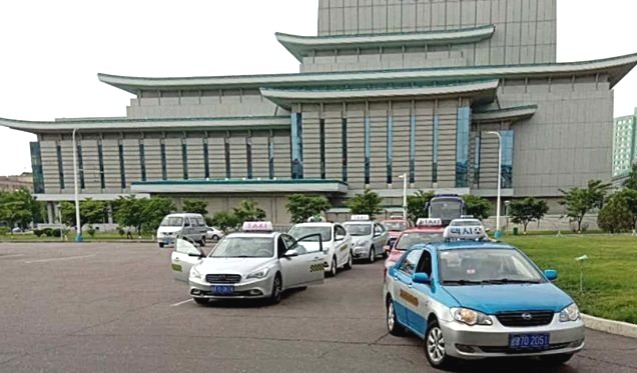
However, this doctrine of the North Korean authorities has evoked a sense of wisdom amongst the unwilling citizens who have found solace in riding taxis – a mean of avoiding such a laborious plantation work. A spike in taxi demand is on the reckoning, as people across South Pyongan province pay for rides rather than risk being stopped on the street and conscripted into farm labour.
In general demand for taxi rides in Sunchon and Pyongsong had been declining due to rising fuel prices, which forced operators to raise fares, that has driven away customers. Since the rice planting mobilisation began, however, ridership has rebounded sharply. Enforcement teams from the Socialist Patriotic Youth League and the Korean Democratic Women’s Union, two of the main mass organisations the state uses to administer mobilisation drives, have been stationed at key points throughout the province. Teams stop pedestrians, check their identification, and send anyone eligible for agricultural support directly to nearby farms.
North Koreans who need to travel for legitimate reasons have found that riding in a taxi offers a practical way to avoid these checkpoints. Enforcement teams generally do not stop moving vehicles or remove passengers, so people who would otherwise walk short distances are now paying for rides. “Even a trip someone would normally make on foot, people are now deliberately taking a taxi”, the local residents said. “Anyone with urgent business is spending more on getting around to avoid the risk of being stopped”.
Citizens describe the situation as an unintended consequence of the mobilisation policy itself. “It’s an absurd situation where the state’s mass mobilisation order is inadvertently filling taxis and keeping the taxi business alive”.
For taxi operators, the relief is real but likely temporary. Fuel prices remain high, and operating costs have not fallen. Once the rice planting mobilisation period ends and enforcement teams cease to impose dictums, the pedestrian detour effect will disappear and ridership is expected to fall again. The source said that as long as fuel prices continue to rise, the underlying pressures on the taxi sector will remain.
Team Maverick.




Viren Rasquinha Questions India Hockey Team’s New Saffron Jersey
New Delhi, July 2026 : Former India hockey captain Viren Rasquinha has criticised Hockey I…

Viren Rasquinha Questions India Hockey Team’s New Saffron Jersey
New Delhi, July 2026 : Former India hockey captain Viren Rasquinha has criticised Hockey …