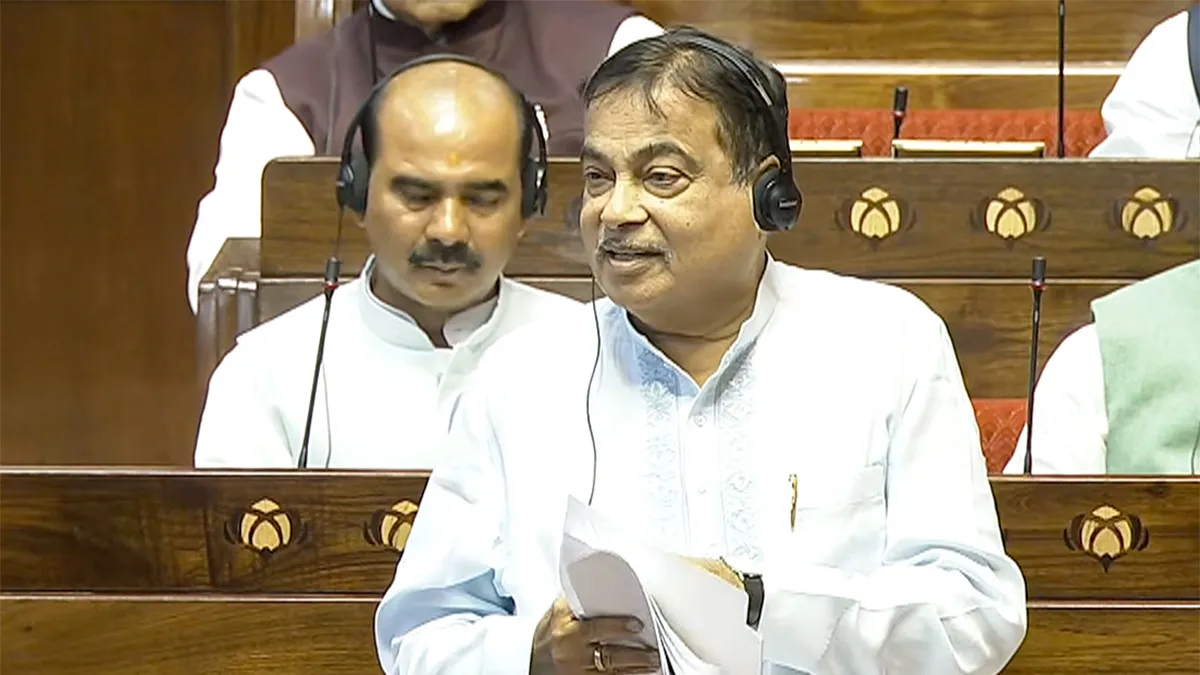
Older BS-III Vehicles May Need Minor Part Replacements for E20 Fuel, Says Gadkari

New Delhi, July 2026 : Older Bharat Stage (BS)-III vehicles manufactured before 2016 may require replacement of certain rubber components and gaskets before using E20 petrol, Union Road Transport and Highways Minister Nitin Gadkari informed the Rajya Sabha on Wednesday. However, he clarified that extensive scientific studies have found no need for engine modifications in cars or two-wheelers to operate on petrol blended with 20 per cent ethanol.
In a written reply in the Upper House, Gadkari said comprehensive research conducted by the Indian Oil Corporation (IOC), the Indian Institute of Petroleum (IIP), Dehradun, the Society of Indian Automobile Manufacturers (SIAM), and the Automotive Research Association of India (ARAI) confirmed that E20 fuel is broadly compatible with existing vehicles.
According to the minister, tests carried out on vehicles across different categories revealed no significant impact on engine performance or abnormal wear and tear after prolonged use of E20 fuel. Key parameters such as drivability, engine startability, metal compatibility and plastic compatibility remained unaffected, indicating that most vehicles can safely run on the higher ethanol blend.
Gadkari noted that only BS-III vehicles introduced from April 1, 2005, and manufactured before 2016 may require replacement of some rubber parts and gaskets. These replacements, he said, are relatively simple and can be undertaken during routine vehicle servicing without the need for major mechanical modifications.
Addressing concerns over fuel efficiency, the minister said mileage depends on several factors, including driving habits, vehicle condition, road conditions and maintenance practices, and cannot be attributed solely to the use of E20 petrol. Automobile manufacturers and testing agencies have also concluded that ethanol blending alone does not significantly affect fuel economy.
The minister informed Parliament that an Inter-Ministerial Committee constituted by NITI Aayog on December 26, 2020, had thoroughly examined issues relating to vehicle compatibility, fuel efficiency and engine performance before recommending the wider adoption of E20 fuel. The committee’s findings were supported by detailed studies conducted by Indian Oil, ARAI and SIAM.
Its report, titled “Roadmap for Ethanol Blending in India 2020-25,” released in June 2021, evaluated critical aspects such as material compatibility, engine calibration, fuel systems, emissions, durability, drivability and long-term operational efficiency. The report was prepared after consultations with automobile manufacturers, oil marketing companies and experts from the agriculture sector.
Gadkari emphasised that the Ethanol Blended Petrol (EBP) Programme has been implemented through a phased, scientifically validated and consultative approach to ensure a smooth transition for consumers and the automobile industry.
Highlighting the global acceptance of ethanol-blended fuels, the minister noted that several countries, including Brazil, have successfully operated vehicles on much higher ethanol blends for decades. He said India’s ethanol blending initiative is aimed at reducing dependence on imported crude oil, promoting cleaner fuels, supporting domestic agriculture and improving the country’s energy security while ensuring that existing vehicles continue to operate safely with minimal adjustments where necessary.
Alipore Zoological Garden Celebrates International Tiger Day.
Kolkata; July 2026: Today (Wednesday – 29th July 2026), The Zoological Garden, Alipore, ha…
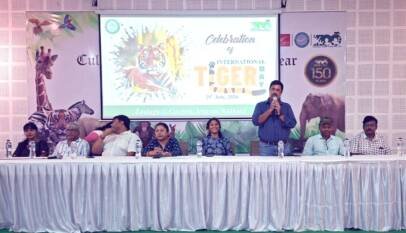
Alipore Zoological Garden Celebrates International Tiger Day.
Kolkata; July 2026: Today (Wednesday – 29th July 2026), The Zoological Garden, Alipore, has …