DPIIT To Phase Out WPI While Introducing PPI From This 15th June.

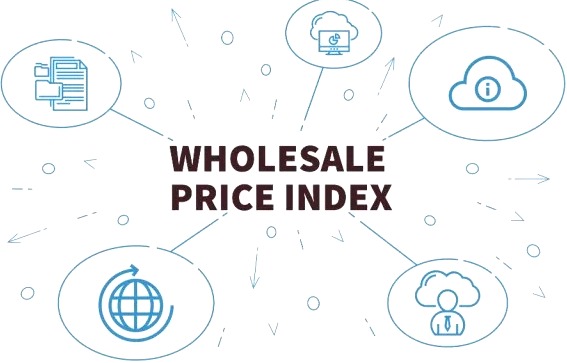
New Delhi; June 2026: Government Of India (GOI) will gradually phase out the Wholesale Price Index (WPI) over the next five years and replace it with a more comprehensive Producer Price Index (PPI), marking a major shift in how inflation is measured in the economy.
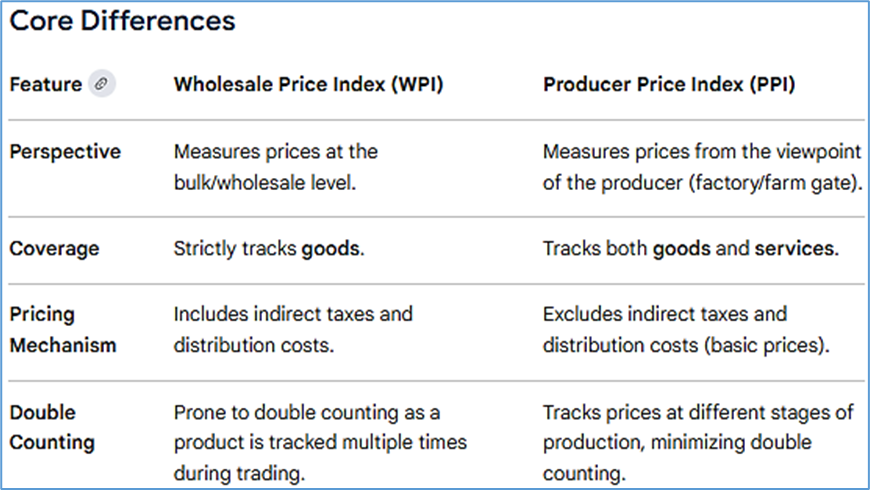
The Department for Promotion of Industry and Internal Trade (DPIIT) will release a revised WPI series with a new base year of 2022-23 on this 15th June (2026), replacing the current 2011-12 series. On the same day, it will also launch a new Producer Price Index (PPI) framework comprising Output PPI, Trial Input PPI and Services PPI.
Speaking to reporters, Principal Economic Adviser Praveen Mahto said the WPI would continue to be published alongside the PPI for another 05 (five) years before being discontinued. The transition period is intended to allow businesses, government agencies and other users to shift to the new index.
“Considering the wide usage of WPI in price escalation clauses, this index will be released for five years from the date of release of the revised series along with PPI and will be discontinued thereafter”, the Commerce and Industry Ministry said.
Three new producer price indices –
The new PPI framework will initially include three components: Output PPI, Trial Input PPI and Services PPI. The Services PPI will initially cover seven sectors: banking, securities transactions, insurance, pension fund management, railways, air passenger transport and telecommunications. More services are expected to be added in subsequent phases depending on data availability.
Officials said the transition aligns India with global practices followed by major economies and recommendations made by the International Monetary Fund (IMF). Unlike WPI, the new system will allow policymakers and businesses to track price movements across both inputs and outputs, providing a clearer picture of how inflationary pressures move through supply chains.
The revised WPI and Output PPI will be published monthly, while Services PPI will be released quarterly. Trial Input PPI for the manufacturing sector will initially be published on an experimental basis from March 2026 to assess data quality and gather stakeholder feedback.
Expanded WPI basket –
The revised WPI series significantly expands the basket of commodities tracked. According to Dilip Kumar Sinha, Deputy Director General in the Office of the Economic Adviser, the number of items covered has increased from 697 to 957.
New energy sources such as solar, wind and nuclear power have been included under the electricity category. Crude petroleum and natural gas have also been moved from the primary articles category to fuel and power, bringing them in line with other major energy products.
Officials said WPI, Output PPI and Services PPI will be compiled using basic prices, excluding taxes and trade margins, while Input PPI will use purchaser prices because industries acquire inputs from the market.
Impact on contracts –
PEA Praveen Mahto said the Department of Expenditure is expected to issue a circular advising users to adopt PPI in future long-term contracts instead of WPI, particularly where price-escalation clauses are involved.
India’s current WPI series, based on 2011-12 prices, was launched in May 2017. Since its introduction in 1942, the index has undergone seven revisions. The move to PPI is expected to bring India in line with countries such as the United States, China, Japan, Germany and France, all of which use producer price indices to track changes in prices received by producers.
The announcement comes at a time when wholesale inflation remains elevated. Wholesale price inflation rose to a 42-month high of 8.3% in April, driven largely by higher energy prices linked to disruptions caused by the conflict in West Asia.
Team Maverick.




Chandrababu Naidu Reviews Preparations for PM Modi’s August 1 Inauguration of Bhogapuram International Airport
Amaravati, July 2026 : Andhra Pradesh Chief Minister N. Chandrababu Naidu on Monday conduc…
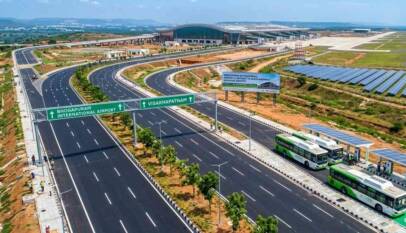
Chandrababu Naidu Reviews Preparations for PM Modi’s August 1 Inauguration of Bhogapuram International Airport
Amaravati, July 2026 : Andhra Pradesh Chief Minister N. Chandrababu Naidu on Monday conducted …