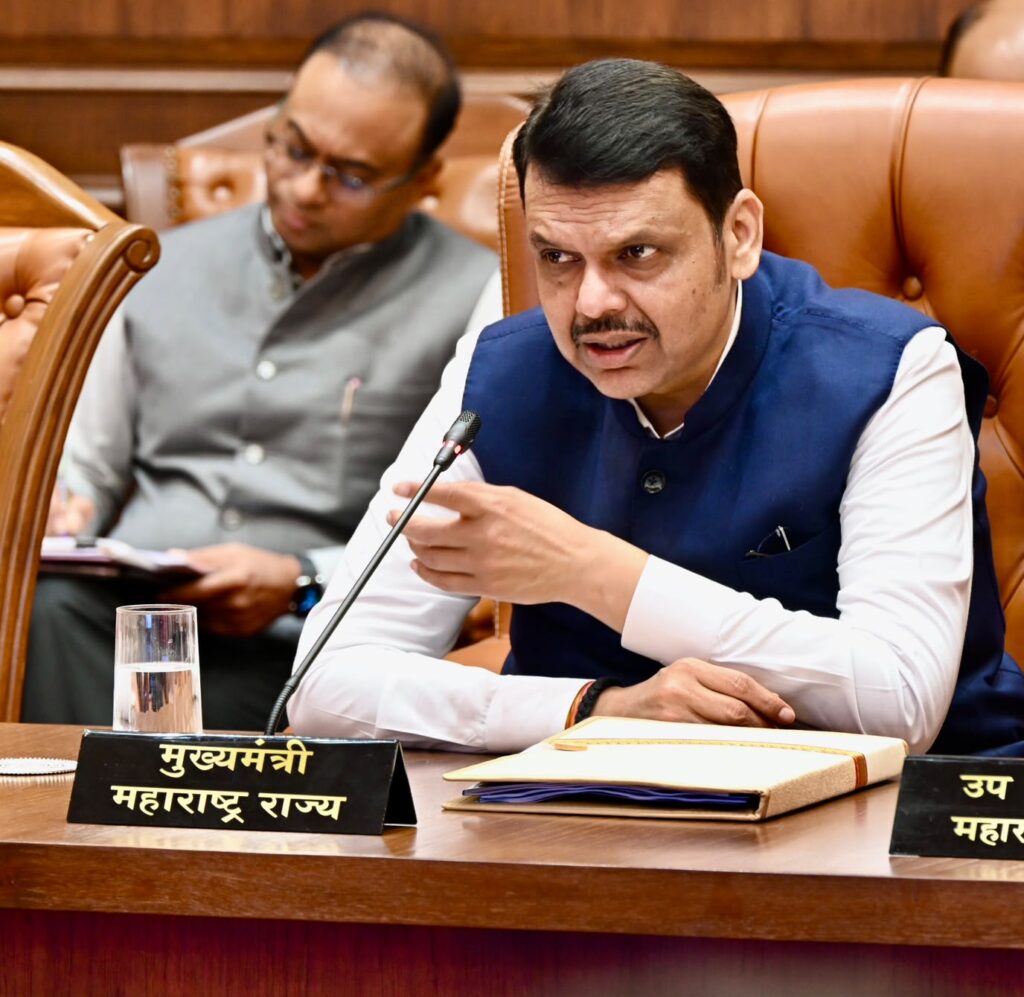
Make Scheduled Tribe Caste Verification More Transparent and Accessible Using Blockchain and AI: Maharashtra CM Devendra Fadnavis

Mumbai, July 2026 : Maharashtra Chief Minister Devendra Fadnavis on Thursday directed officials to make the Scheduled Tribe (ST) caste verification process more transparent, efficient, reliable and citizen-friendly by leveraging advanced technologies such as blockchain and artificial intelligence (AI). He instructed authorities to develop a secure digital verification system using blockchain technology for all caste validity certificates.
The Chief Minister made these remarks while chairing the 52nd meeting of the Maharashtra State Tribal Advisory Council at the Vidhan Bhavan. The meeting was attended by Tribal Development Minister Dr Ashok Uike, Food and Drug Administration and Special Assistance Minister Narhari Zirwal, legislators and senior government officials.
Fadnavis said the entire caste verification process should be shifted to an online platform to improve efficiency and transparency. He directed officials to adopt blockchain technology for secure digital verification of caste validity certificates, ensuring authenticity and preventing tampering.
He also emphasised the use of AI-based systems to detect duplicate applications, conduct preliminary scrutiny of documents and streamline the verification process, making it faster and more effective.
The Chief Minister instructed the Tribal Development, Forest and Revenue Departments to jointly organise special camps for members of the Pardhi community to facilitate the issuance of essential government certificates and documents.
He further directed officials to coordinate with the Finance Department to ensure adequate allocation of funds for the Tribal Sub-Plan (TSP) in proportion to the Scheduled Tribe population in the state.
Reviewing various educational and welfare schemes for tribal communities, Fadnavis called for a revision of the income eligibility criteria to enable more tribal students to benefit from government programmes. He proposed increasing the annual income limit to Rs 4 lakh for eligibility under these schemes.
The Chief Minister also stressed the need to expedite amendments to the Scheduled Tribe Certificate Verification Act. He instructed departments to improve administrative efficiency by filling vacant posts, appointing project officers and engaging specialised legal experts to handle court cases related to caste verification.
To ensure effective implementation of tribal welfare schemes, Fadnavis directed the Tribal Development Department to strengthen state and district-level monitoring mechanisms for evaluating programmes and overseeing funds transferred to other government departments.
During the meeting, the Chief Minister reviewed the implementation of the Forest Rights Act, emphasising mission-based initiatives that promote forest conservation while improving the economic condition of tribal communities.
He instructed officials to ensure that local tribal communities receive priority in fisheries-related activities in dam areas as well as in newly introduced government schemes through effective implementation of existing policies.
Fadnavis also called for a review of current policies governing Gram Sabha rights over minor forest produce such as bamboo, tendu leaves and apta leaves. He directed the Rural Development and Tribal Development Departments to take necessary steps to strengthen community rights and improve implementation.
Highlighting the need for technology-driven governance, the Chief Minister said the General Administration Department and the Tribal Development Department should work in close coordination to complete all pending issues within stipulated timelines.
He also instructed officials to fill vacancies in the Tribal Development Department at the earliest and establish a robust monitoring framework to ensure effective implementation of tribal welfare schemes across various government departments.
Reiterating the government’s commitment to the holistic development of tribal communities, Fadnavis directed all concerned departments to improve inter-departmental coordination, ensure timely execution of pending initiatives and adopt technology-based solutions to make government services and welfare schemes more transparent, accessible and efficient for tribal citizens.


Raksha Khadse chairs meeting on strengthening Maharashtra’s sports and youth development ecosystem
New Delhi, July 23, 2026: Union Minister of State for Youth Affairs and Sports, Smt. Raksh…
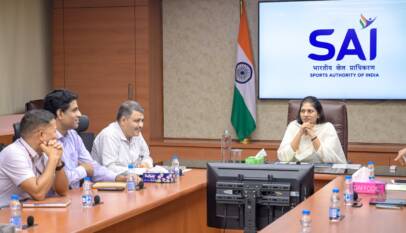
Raksha Khadse chairs meeting on strengthening Maharashtra’s sports and youth development ecosystem
New Delhi, July 23, 2026: Union Minister of State for Youth Affairs and Sports, …