Missiles Over the Middle East: Israel-Iran Tensions Reach Boiling Point.

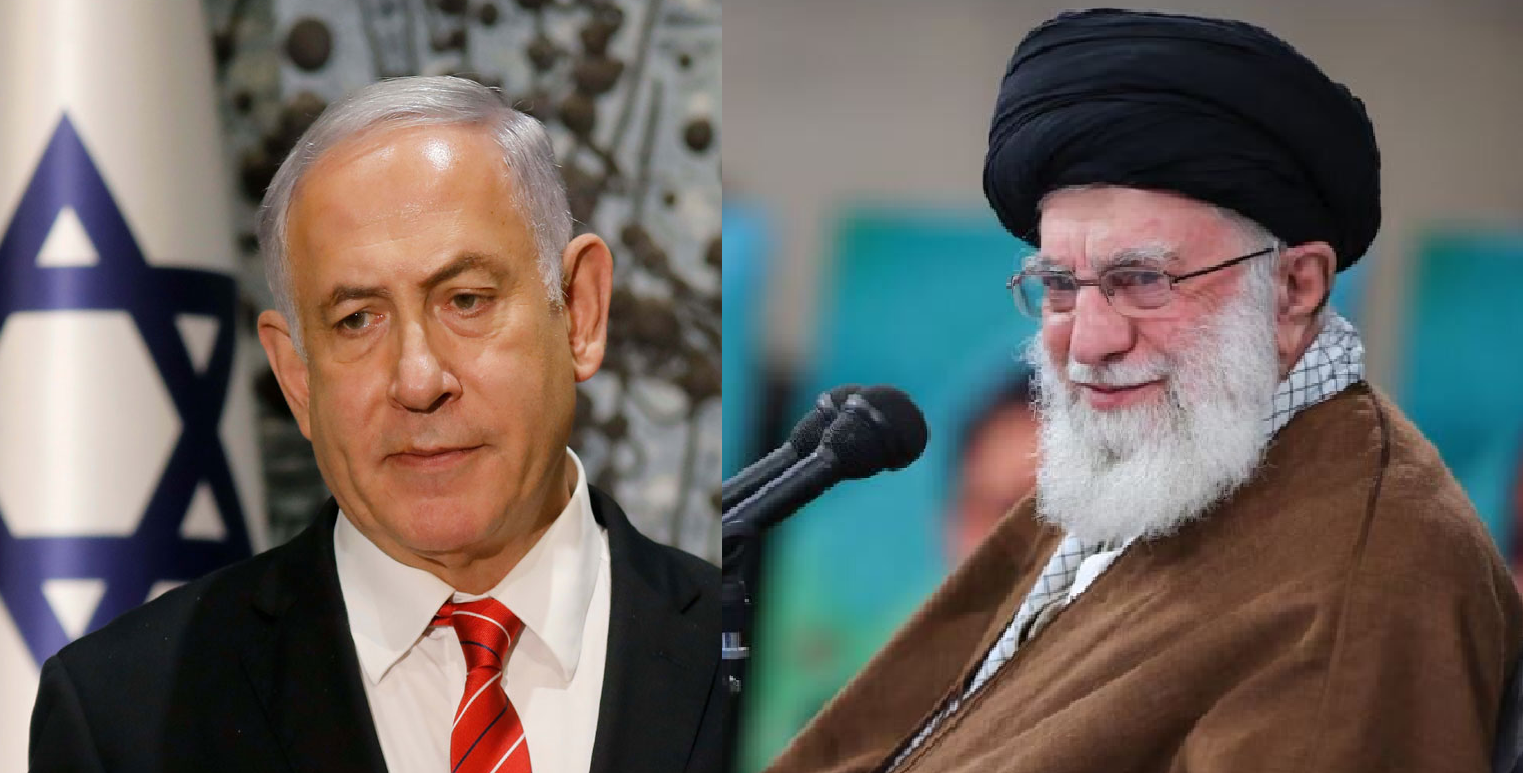
The long‑smoldering tensions between Israel and Iran have erupted into full-scale military confrontation, marking one of the most dangerous escalations in the Middle East in recent years. For the third consecutive day, both nations have unleashed heavy airstrikes and missile barrages, targeting critical military, nuclear, energy, and civilian infrastructure. The escalating violence—marked by dozens of deaths, hundreds of injuries, and shattered diplomatic efforts—has ignited global concern about the potential for a broader regional conflict and disruption to global energy markets.
Day One: Israel’s Surprise Offensive
On Friday, Israel initiated what it described as a decisive preemptive strike against Iran’s nuclear and military facilities. Employing intelligence-led precision airstrikes, Israel successfully hit major targets, including:
- Natanz: Iran’s primary uranium enrichment site
- Isfahan: Uranium conversion facility
- Tehran & other cities: Military installations and alleged nuclear scientists’ residences
Satellite imagery confirmed extensive structural damage at Natanz and Isfahan, though no radiation leaks were reported . Violent explosions rocked Tehran and other urban centers, causing widespread civilian harm. Reports estimate civilian casualties to be high, with at least 224 deaths and more than 1,200 injured, though independent sources suggest a total of 406 fatalities and 654 injured—highlighting a possible underreporting by Iranian authorities .
Israel asserts these strikes are a necessary measure to prevent Iran from acquiring nuclear weapons capabilities. As the region’s only undeclared nuclear power, Israel views Iran’s nuclear advancement as an existential threat .
Day Two: Iranian Retaliation
True to its warning, Iran responded with an unprecedented missile barrage. Over 270 missiles and drones were launched toward Israeli territory. Though Israel’s Iron Dome intercepted most threats, 22 projectiles penetrated the defense shield thus far, resulting in at least 14 civilian deaths (including children) and around 400 wounded .
Significant incidents during the strike include:
- A missile hitting a high-rise in Bat Yam, killing a 10-year-old and a 9-year-old; over 180 wounded and seven missing
- Four deaths (including a 13-year-old) and 24 injured in Tamra, a northern Arab-dominated town
- An oil refinery in Haifa and civilian structures—such as the Weizmann Institute in Rehovot—sustained damage, prompting airport closures and emergency responses
Israel’s retaliatory counter-strikes on Iran included attacks on missile sites, production facilities, the Defense Ministry, and the revolutionary guard’s intelligence chief General Mohammad Kazemi, who was reportedly killed .
Civilian Toll & Fallout
Civilians have borne the brunt on both sides. In Iran, airstrikes destroyed residences and government buildings, triggering a humanitarian crisis. Tehran’s metro stations and mosques have been converted into bomb shelters, with citizens forming long queues at gas stations to flee . The death and injury toll in Iran, particularly among civilians, has risen sharply.
In Israel, alarm sirens in Tel Aviv, Jerusalem, and Haifa disrupted daily life. Casualties were reported from missile impact sites. Infrastructure damage prompted traffic disruptions, emergency services deployment, and widespread fear among citizens .
Diplomatic Fallout & Geopolitical Stakes
Efforts toward diplomacy have faltered. Scheduled nuclear talks between the U.S. and Iran in Oman were abruptly canceled, eliminating a potential path to de-escalation .
Reactions from global powers have varied:
- United States: President Trump voiced full support for Israel, warning Iran of retaliation “at levels never seen before” . U.S. officials intervened to block Israeli plans to target Ayatollah Khamenei, aiming to avoid escalation .
- China: Condemned the strikes on nuclear sites, expressing alarm over the precedent set .
- United Nations: The IAEA confirmed damage to Iranian nuclear installations but reported no nuclear contamination .
Economic and Strategic Repercussions
The conflict’s impact transcends borders:
- Energy markets: Reports of damage to Iran’s South Pars gas facility and oil depots stoked fears of supply disruptions .
- Regional instability: The crisis threatens to escalate into a multi-front war, possibly drawing in Lebanon, Syria, Gulf States, and non-state actors allied with either Iran or Israel.
- Longer-term nuclear concerns: With Iran’s nuclear infrastructure compromised and talks stalled, proliferation fears have intensified.
What’s Next?
- Tactical escalation risk: Leaders on both sides have pledged more powerful strikes. Israel has pledged further attacks; Iran faces pressure to respond or face internal criticism – raising fears of miscalculation .
- Global diplomacy scramble: Nations like China call for restraint while U.S. offers backing to Israel; European powers and the UN are expected to push for a ceasefire and renewed negotiations.
- Preventing wider war: The Middle East’s volatility remains high and regional vicees through borders and non-state actors intensifies risks of broader conflict.
Bottom Line
The Israel-Iran exchange of missiles and airstrikes across multiple days has shattered decades-old norms. Key nuclear sites, energy infrastructure, cities, and civilian targets in both countries have come under fire. With casualties rising and diplomatic efforts collapsing, the crisis now stands poised at a dangerous tipping point.
Without swift de-escalation or international intervention, what began as a strategic strike could spiral into a full-scale regional war. The world is watching — and fearing — the fallout from what may become the most consequential confrontation in the Middle East since the Gulf War.



More Than a Café: How MITTI Café is Brewing Hope, Dignity and Dreams at Rashtrapati Nilayam
Hyderabad, July 2026 : Tucked away inside the serene campus of Rashtrapati Nilayam in Boll…

More Than a Café: How MITTI Café is Brewing Hope, Dignity and Dreams at Rashtrapati Nilayam
Hyderabad, July 2026 : Tucked away inside the serene campus of Rashtrapati Nilayam in …