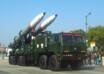
Netherland deploys Air Defence System in Safeguarding NATO’s Ukraine Hub in Poland.

Aug 2025 : According to information published by the Ministry of Defence of the Netherlands on August 20, 2025, the Dutch government has announced the deployment of two Patriot air Defence missile systems and approximately 300 military personnel to Poland. Beginning December 01st., and continuing till June 01, 2026, this mission aims to protect the NATO Security Assistance and Training for Ukraine (NSATU) logistics centre. This deployment is part of a broader NATO effort to safeguard the uninterrupted flow of military aid and training support to Ukraine, amid ongoing threats from Russian invasion.
This Netherlands deployment is not limited to just the Patriot air Defence missile systems. The integrated air Defence unit will also include a NASAMS (Norwegian Advanced Surface-to-Air Missile System) and anti-drone technologies, forming a comprehensive layered Defence network. The multi-tiered configuration is designed to provide protection against a full spectrum of aerial threats, including ballistic and cruise missiles, fast-moving combat aircraft, attack helicopters, and unmanned aerial systems. With these assets, the Netherlands will play a key role in shielding a critical NATO facility that serves as a logistical backbone for Ukraine’s war effort.
Defence Minister of the Netherlands, Ruben Brekelmans, highlighted the strategic importance of this mission, noting that although such capabilities are scarce, the Netherlands is stepping forward to contribute advanced systems where they are most needed. He emphasized that the operation is intended to achieve three primary objectives: the Defence of NATO territory, deterrence of Russian military escalation, and ongoing support for Ukraine’s sovereignty. “This way, we keep the Russian threat as far away as possible”, he stated, framing the move as both a protective and preventive measure.
According to an analysis by Army Recognition, this deployment reflects a critical evolution in NATO’s posture on its eastern flank. It comes amid a growing pattern of Russian long-range strikes targeting military and logistical infrastructure near the Ukrainian border, including areas dangerously close to NATO territory. The increasing sophistication and reach of Russian drones and missiles have made it essential for alliance members to bolster air Defences around key nodes like the NSATU logistics hub in Poland. Protecting these assets is no longer optional; it is operationally indispensable.
The Patriot system, which forms the backbone of the Dutch deployment, is a long-range, high-altitude interceptor capable of neutralising advanced threats such as ballistic missiles and high-speed aircraft. Equipped with PAC-3 missiles and a powerful radar system, it offers strategic coverage designed to defend wide areas and critical infrastructure. Meanwhile, the NASAMS, developed in collaboration between Norway and the United States, fills the medium-range layer of the Defence architecture. Using AIM-120 AMRAAM missiles, NASAMS is highly effective against low-altitude threats, such as drones, helicopters, and cruise missiles. The addition of short-range anti-drone systems completes a multi-layered bubble that maximises detection and interception across all altitudes and distances.
The NSATU (NATO Security Assistance and Training for Ukraine) plays a pivotal role in NATO’s support structure for Ukraine, coordinating the delivery of Western-donated equipment and overseeing the training of Ukrainian forces. Its logistical operations are vital to maintaining Ukraine’s resilience on the battlefield, especially as the war drags into its fourth year. The Dutch air Defence deployment ensures that these activities can continue securely and without interruption, even in the face of potential Russian attempts to disrupt supply lines or intimidate NATO allies through hybrid or kinetic threats.
Ukraine’s battlefield sustainability increasingly depends on timely and secure delivery of foreign-supplied equipment, spare parts, and ammunition. Ensuring the safety of NATO logistics hubs like the one in Poland is not only a matter of alliance security but also a key enabler of Ukraine’s defensive and counteroffensive capabilities. The Netherlands’ contribution represents a tangible example of burden-sharing and strategic foresight, reinforcing deterrence while directly supporting an embattled partner nation.
This deployment is emblematic of a broader shift within NATO, as more member states recognize the importance of rear-area air Defence in the face of evolving warfare tactics. By securing critical transit points and command centres, NATO ensures not only the integrity of its supply chain but also signals to Moscow that any effort to destabilize its eastern flank will meet a coordinated and capable response. The Netherlands Patriot and NASAMS air Defence missile systems deployment is a clear demonstration of allied resolve, unity, and operational readiness in a time of continued regional instability.
Team Maverick








Netanyahu Meets Trump at White House for Eighth Bilateral Talks Amid Regional Tensions
Jerusalem/Washington, July 2026 : Israeli Prime Minister Benjamin Netanyahu arrived at the…

Netanyahu Meets Trump at White House for Eighth Bilateral Talks Amid Regional Tensions
Jerusalem/Washington, July 2026 : Israeli Prime Minister Benjamin Netanyahu arrived at the White House …