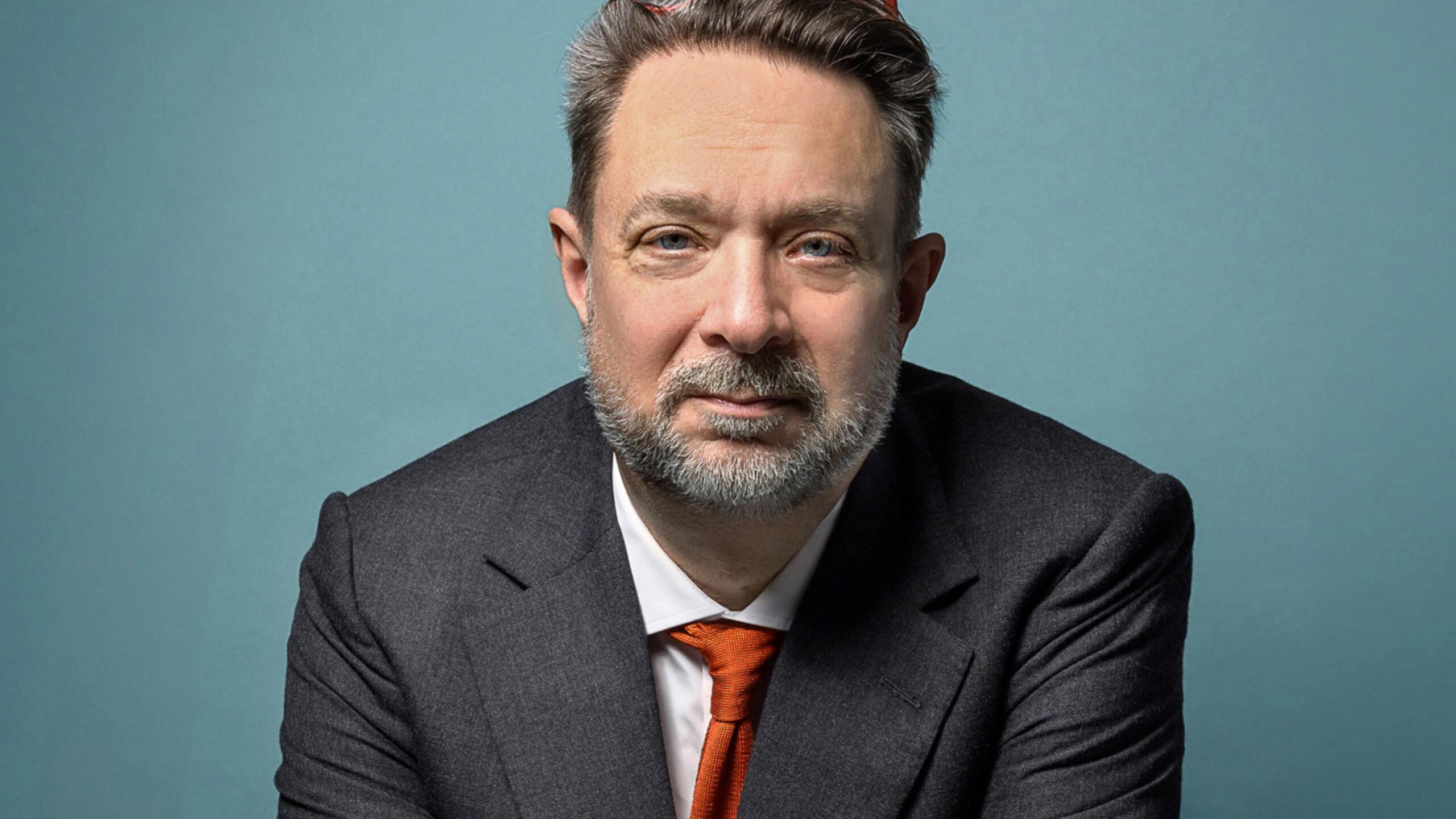
Sandoz CEO on navigating tariffs, “distorted” U.S. drug market.

Aug 2025 : As big drug companies line up to announce new U.S. jobs and plants in the face of Trump tariff threats, generics giant Sandoz is sending a different message.
Sandoz CEO Richard Saynor is telling the Trump administration it should use carrots, not sticks, with generic drug makers that account for more than 90% of U.S. prescriptions but that compete on price and volume — to a point where, as he puts it, antibiotics sell for less than a packet of M&Ms.
Sandoz makes about 1,300 generic and biosimilar products, some 150 of which are sold in the U.S. With 2024 annual sales of $10.4 billion, it’s part of a cohort of generic drug giants that also includes Teva, Sun Pharma and Viatris.
Notably, none of its drugs are made in the United States, a situation the generic drug trade group Association for Accessible Medicines says could be remedied with steps like patent reforms and streamlined Food and Drug Administration approvals.
While addressing the Media, Richard Saynor said, “The tariffs that we see at the moment, we can absorb. We will manage. If it’s a 200% tariff, again, we will think about what we do. The challenge I have is we have relatively few choices. You either say, ‘Well, fine, our first primary duty is making sure patients get medicines. Secondly, how do we least make the market sustainable? If I can’t put pricing up through the PBMs or through our customers, then we wouldn’t supply the product“.
He saw reason for optimism in last week’s joint U.S.-EU statement that appeared to largely exempt EU generics from duties, adding Sandoz was still seeking clarification. “I see more positives than negatives to be brutally honest. If you take a step back, why is this happening? Why is the administration challenging pharma? Because ultimately, Trump wants affordable access of high-quality medicines for U.S. patients. I want the same at the end of the day. The challenge really is about the environment in the U.S. that the administration has inherited that is unattractive and unsustainable for generics and biosimilars. Clearly from the originator point of view, it’s high-priced and with numerous barriers to entry for competition. So, in a sense, I think in many ways, what they are doing is a symptom of the problem”.
Mr. Saynor further reiterated, that starting with the patent landscape; Every drug they bring to the U.S. market, ends up to a litigation, and brand-name drugmakers using ever more complex blocking tactics. Sandoz is in the process of suing Amgen for $3 billion because somehow, they’ve convinced a U.S. court to grant them a 30-year patent on a drug like the multibillion-dollar biologic Enbrel. According to the CEO that is wrong. He has drawn attention to the larger disconnect between the payer framework and the reimbursement framework. An appeals court previously ruled in Amgen’s favour on the validity of its Enbrel patents.
On the other side, Amgen has clarified, “The courts carefully reviewed these Enbrel patents, found them valid in lengthy opinions, and enjoined Sandoz from infringement. Sandoz presented its case and lost and now is blaming the courts. Contrary to its claims, these patents do not provide a ’30-year monopoly’ they have only a duration of 17 years, consistent with U.S. patent law at the time“.
A White House official said the administration has been pursuing “a nuanced and multi-faceted approach” to reshoring manufacturing that’s been “considerate of the economics of various industries in question“, adding any discussion about specifics around pharmaceuticals is speculative.
When the CEO was questioned about the Big brand-name manufacturers committing huge investments in U.S. manufacturing and jobs but Sandoz is not, he stated, “There are very clear choices that people need to make to make sure things like antibiotics are sustainable for generations. For us to build a new antibiotic facility would be $2 billion to $3 billion over five years in a market where I’m currently selling it for less than a packet of M&M’s, how am I going to convince a board to give me that money?”
While reaffirming the sustainability of the generic business, Richard Saynor said, “If you take a drug like Humira, it was the single-biggest patent to go off market in the U.S., I think roughly $16 billion. Today the U.S. government still buys the originator product for Medicaid. So, it’s not even encouraging a similar entry to create competition, to break down pricing. Patients aren’t benefiting. Taxpayers clearly aren’t benefiting, and the market is distorted”.




No compromise on security during the Kanwar Yatra, take strict action against those spreading rumours: CM Yogi
Chief Minister reviews preparations with officials of Meerut and Saharanpur divisions Issu…
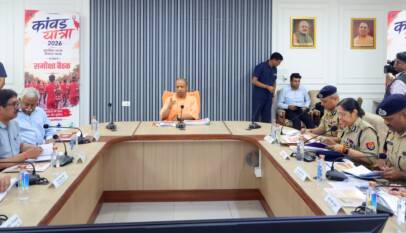
No compromise on security during the Kanwar Yatra, take strict action against those spreading rumours: CM Yogi
Chief Minister reviews preparations with officials of Meerut and Saharanpur divisions Issues clear instructions …