Israel Intercepts Three Drones From Yemen Amid Growing Regional Escalation

Jerusalem, Sept 2025 : The Israeli military announced on Sunday that it intercepted three drones launched from Yemen, underscoring the expanding threat of aerial attacks in the region. The interceptions highlight Israel’s growing security challenges as tensions with Yemen’s Houthi movement and other Iran-backed groups continue to intensify.
IDF Confirms Interceptions
In a brief statement, the Israel Defense Forces (IDF) said the unmanned aerial vehicles (UAVs) were neutralized before they entered Israeli airspace. “The Israel Air Force intercepted three UAVs that made their way from Yemen,” the statement read. The IDF did not specify the precise interception methods or locations, but confirmed that no damage or casualties occurred.
While no group immediately claimed responsibility, suspicion quickly turned toward Yemen’s Houthi rebels, who have previously launched long-range drones and missiles at Israel. The Houthis frame their actions as retaliation for Israel’s ongoing military operations in Gaza.
Rocket Fire From Gaza
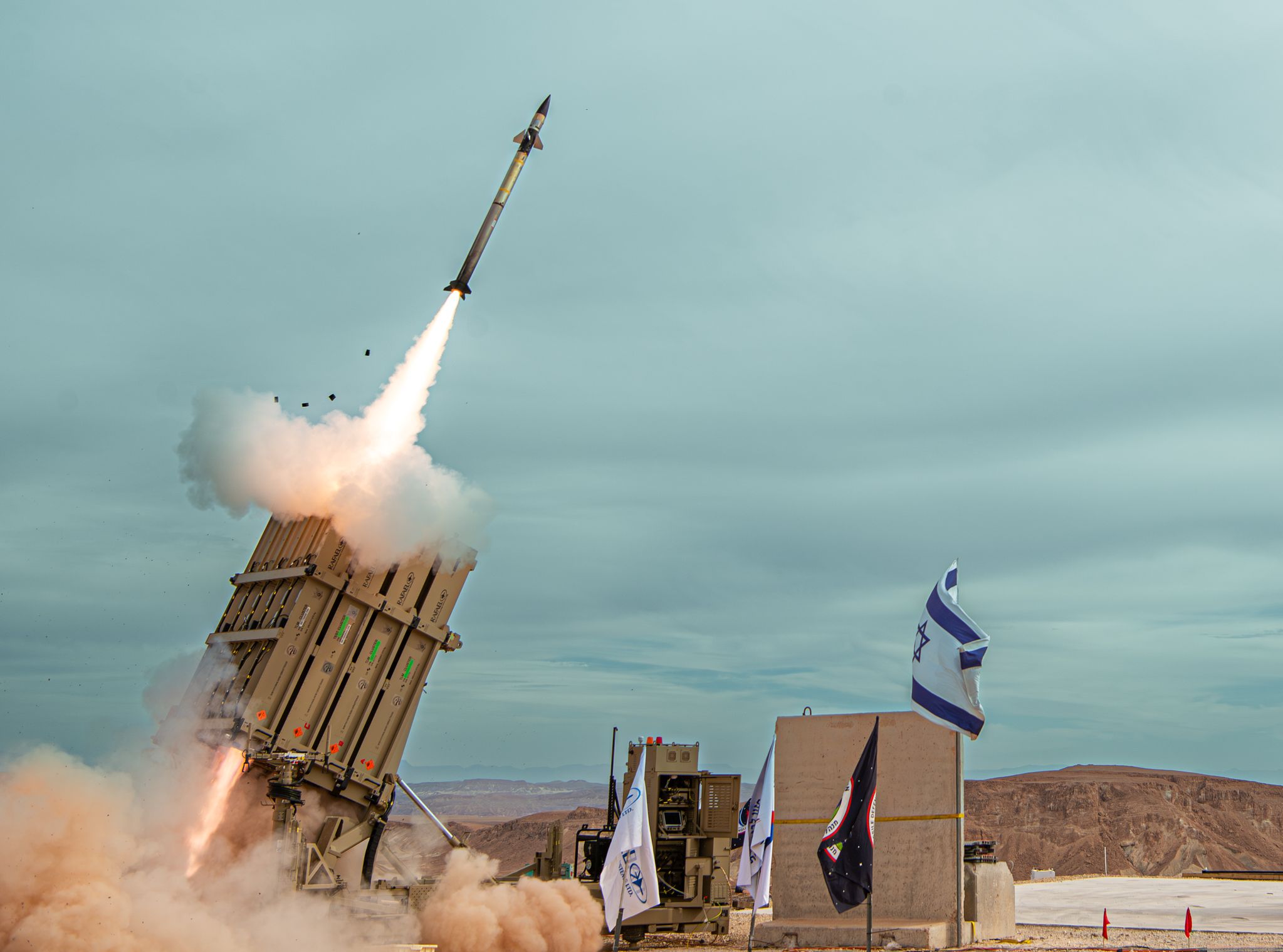
The drone incident coincided with renewed attacks from Gaza. Earlier Sunday morning, two rockets were fired from the enclave toward southern Israel, prompting air raid sirens in the city of Netivot and surrounding communities. According to the IDF, one rocket was intercepted by Israel’s Iron Dome defense system, while the second fell in an open field without causing injuries or damage. The military attributed the launches to militants operating from central Gaza, part of a pattern of sporadic yet persistent fire that has continued for months.
Escalation Since Late 2023
Since November 2023, the Houthis—who control much of northern Yemen—have significantly increased their use of drones and missiles against Israel. These attacks are presented as part of a wider campaign of “solidarity with Palestinians” amid the war in Gaza. In response, Israel has carried out airstrikes on Houthi-held areas, including the capital Sanaa and the key port city of Hodeidah, drawing Yemen more directly into the broader Middle East conflict.
Targeting Houthi Leadership
Tensions escalated sharply after an Israeli airstrike in Sanaa on August 30 killed Ahmed al-Rahawi, the Houthi-backed Prime Minister, along with several senior ministers. The Houthis acknowledged the losses and vowed “severe retaliation.” The strike marked a departure from Israel’s usual focus on military infrastructure, signaling a willingness to target political leadership linked to hostile operations.
Growing Missile Capabilities
Earlier this week, Israel intercepted a long-range missile launched from Yemen, which triggered sirens as far north as Jerusalem and the occupied West Bank. Though no casualties occurred, the incident demonstrated the increasing reach and sophistication of Houthi missile technology. Israeli officials warn that such capabilities could threaten critical infrastructure and shipping routes in the Red Sea, a vital artery for global trade.
Regional Implications
The uptick in Houthi operations comes as part of a broader network of Iran-aligned groups acting across the Middle East. Hezbollah in Lebanon, militias in Iraq, and armed factions in Syria have all taken actions or issued threats in alignment with the Gaza conflict. Analysts say the Houthi front adds another layer of complexity to Israel’s security calculus, widening the conflict theatre and straining defense resources.
Israeli and allied forces are now maintaining heightened surveillance across the Red Sea and Arabian Peninsula to detect and neutralize potential threats. Officials caution that the Houthis’ growing arsenal of drones and long-range missiles may increasingly target strategic assets, ports, and shipping lanes, raising the risk of broader regional instability.








Deschamps Admits France Fell Short as Spain End World Cup Dream with 2-0 Semifinal Win
Arlington (Texas), July 2026 : France head coach Didier Deschamps admitted his side was ou…

Deschamps Admits France Fell Short as Spain End World Cup Dream with 2-0 Semifinal Win
Arlington (Texas), July 2026 : France head coach Didier Deschamps admitted his side was …