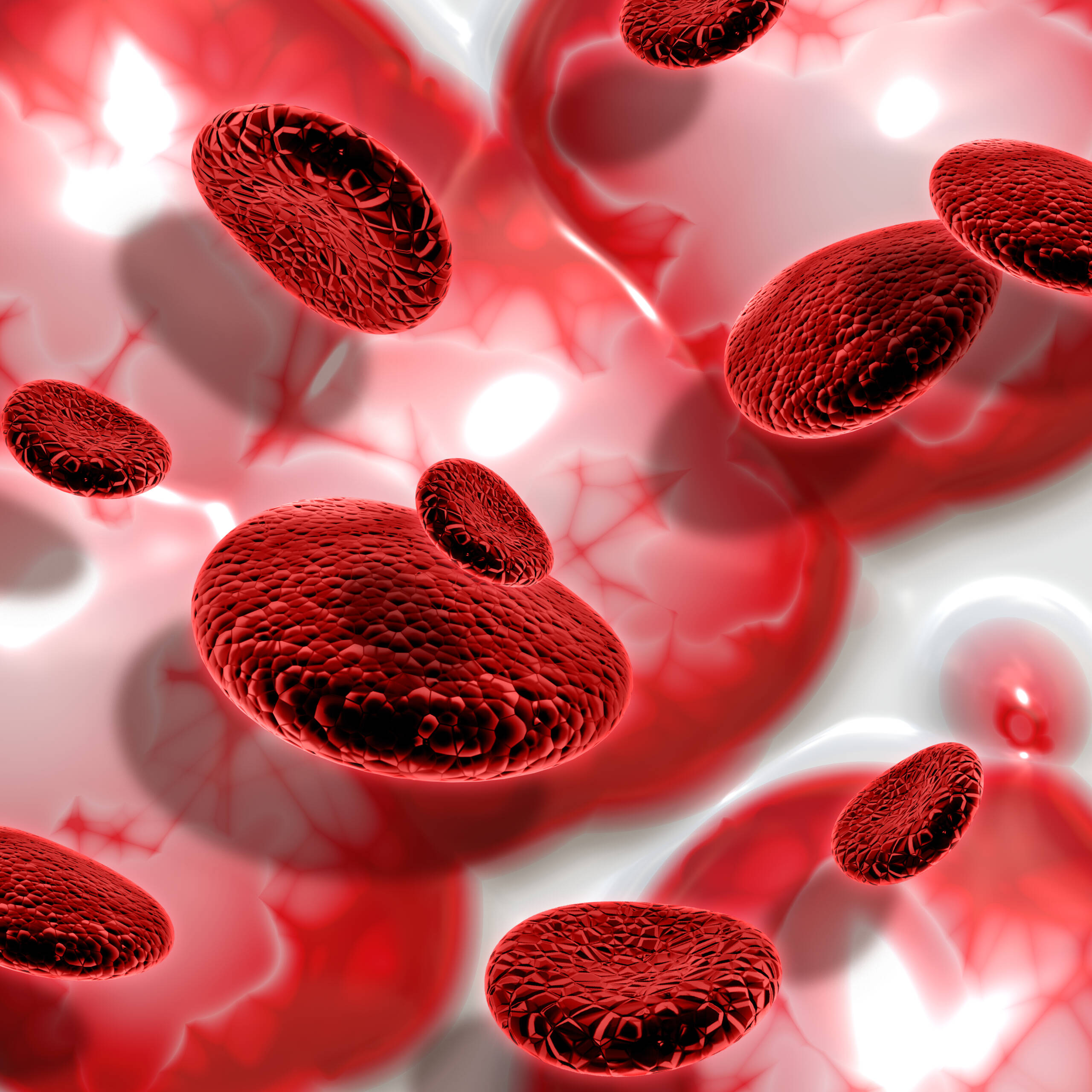
MP Ranks First for Two Consecutive Quarters under Anaemia-Free India Programme

In Madhya Pradesh, continuous and coordinated efforts are being undertaken under the Anaemia-Free India Programme to eliminate anaemia among children and women. Being anaemia-free means maintaining normal haemoglobin levels in children and women, which enables better physical and mental development. This programme has emerged as an important initiative towards strengthening maternal and child health.
The sustained and effective efforts made in the state have yielded positive results, with Madhya Pradesh securing first place nationwide for two consecutive quarters in the Government of India’s HMIS ranking under the Anaemia-Free India Programme.
Expressing satisfaction over successful implementation of the programme, Deputy Chief Minister Shri Rajendra Shukla said that this achievement is the result of commitment, dedication and teamwork of the state’s health system. He appreciated efforts of all doctors, nursing staff, ANMs, ASHA workers, Anganwadi workers and field personnel associated with the campaign. He said that it is due to their tireless work, sensitivity and spirit of service that largescale screening, treatment and awareness have been possible. Congratulating all health workers, Shri Shukla expressed hope that they would continue working with the same dedication to steadily move towards the goal of making the state completely anaemia-free.
During the current financial year 2025–26, the first phase of the Dastak Abhiyan was conducted in the state from July 22 to September 16, 2025. During this period, haemoglobin testing using digital haemoglobinometers was ensured for a total of 7.062 million children aged 6 to 59 months. Following screening, approximately 3.521 million children with mild and moderate anaemia were provided necessary medical treatment, while 3,575 children suffering from severe anaemia were identified and ensured blood transfusion or appropriate management at the district level.
Under the campaign, 9.42 lakh pregnant women in the state were screened for anaemia. During screening, 3.02 lakh women with moderate to severe anaemia and 10,660 women with very severe anaemia were identified and treated through iron and folic acid (IFA), iron sucrose, FCM, and blood transfusion as required. These efforts have contributed not only to improved maternal health but also to the promotion of safe motherhood.
Multi-Dimensional Strategy Adopted in State for Prevention and Treatment of Anaemia
A multi-dimensional strategy has been adopted in the state for prevention and treatment of anaemia. This includes regular distribution of iron and folic acid tablets and syrup, routine health check-ups of pregnant and lactating women, deworming campaigns for children, promotion of nutritious diets, weekly iron supplementation for adolescent girls, screening in schools and Anganwadi centres, and implementation of nutrition and health awareness campaigns. In addition, the Health Department, in coordination with the Women and Child Development Department, has carried out extensive information dissemination and publicity to raise public awareness.
It is noteworthy that the Government of India launched the Anaemia-Free India campaign in 2018 under the National Nutrition Mission (Poshan Abhiyan). The current objective of the campaign is to improve maternal and child health and make women and children anaemia-free. The dedicated efforts being undertaken in Madhya Pradesh are providing a strong foundation toward achieving this goal and are playing a significant role in building a healthy, empowered and capable society.




Ashwini Vaishnaw, Arjun Ram Meghwal Join Mass Yoga Session in Bikaner
On the occasion of International Day of Yoga, Union Minister for Railways, Information &am…
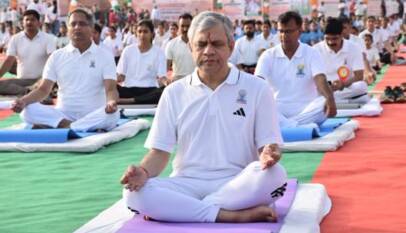
Ashwini Vaishnaw, Arjun Ram Meghwal Join Mass Yoga Session in Bikaner
On the occasion of International Day of Yoga, Union Minister for Railways, Information & …