Campaign to continue till October 2, wards performing best to receive incentives of up to ₹1 crore
‘Delhi Ko Kude Se Azadi’ is an effort to make cleanliness a part of people’s thinking and behaviour: Union MoS Harsh Malhotra
Cleanliness is not the responsibility of any one department or agency; it is a shared responsibility of every citizen: CM Rekha Gupta
The campaign aims to change the face of Delhi, citizens’ habits and their approach to cleanliness: Urban Development Minister Ashish Sood
Waste management, sanitation and upkeep of public spaces being strengthened through better coordination between Delhi government and civic body: Mayor Pravesh Wahi
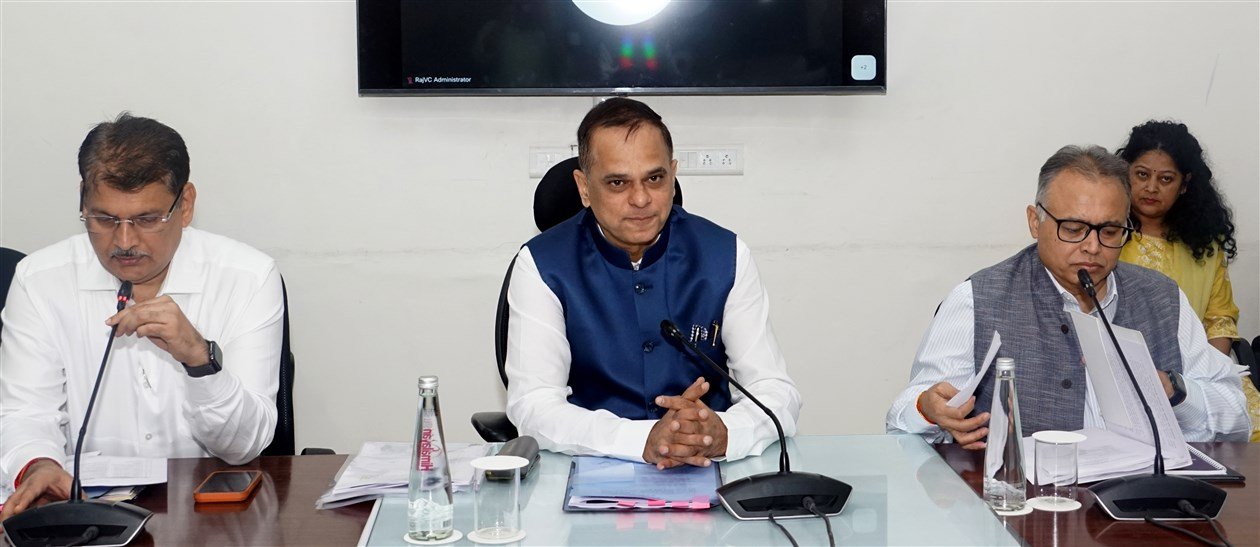
New Delhi, August 2026 : Giving the resolve to make Delhi clean, beautiful and free of garbage the shape of a people’s movement, Chief Minister Smt. Rekha Gupta on Monday launched the ‘Delhi Ko Kude Se Azadi-Swachhta Abhiyan 2026’ at the Kedarnath Sahni Auditorium at the Delhi Municipal Corporation headquarters. The special cleanliness campaign will run across the capital till October 2, 2026. It aims to further strengthen the city’s sanitation system, promote scientific waste management, ensure cleanliness of public spaces and create wider public participation by making citizens more aware of cleanliness. A brochure on the cleanliness campaign was also released on the occasion.
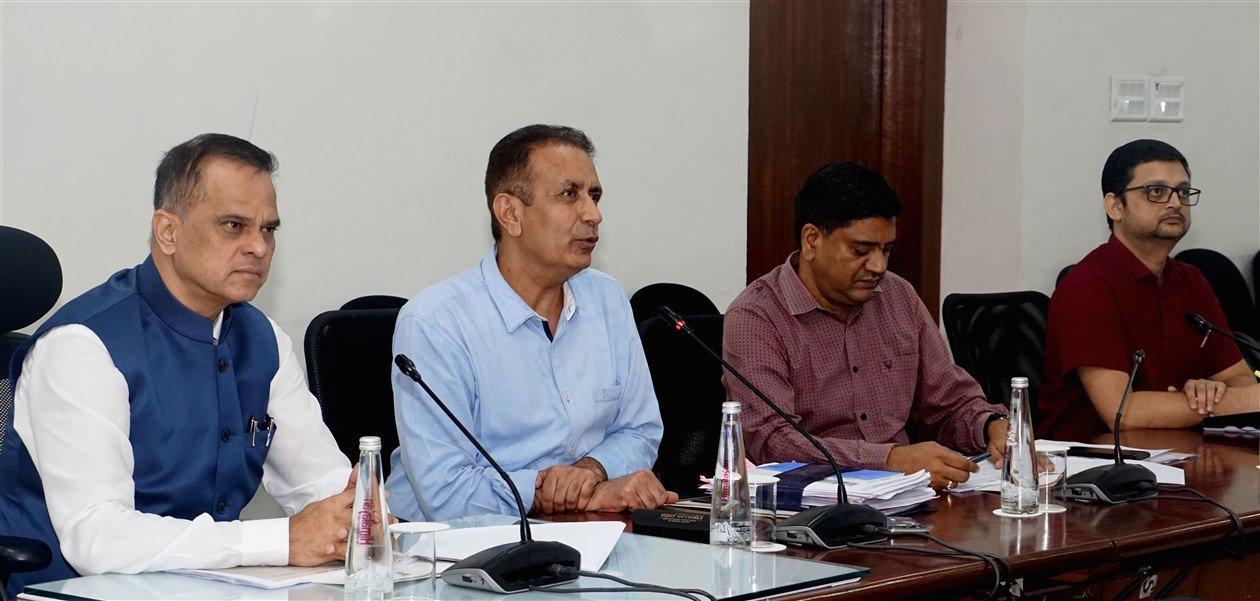
Union Minister of State and Delhi BJP president Shri Harsh Malhotra, Delhi Urban Development Minister Shri Ashish Sood, Delhi Mayor Shri Pravesh Wahi, Chief Whip and MLA Shri Abhay Verma and others were present at the programme.
‘Delhi govt. has strengthened the civic body’
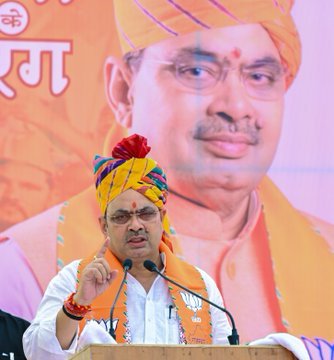
Speaking on the occasion, Union Minister of State Harsh Malhotra said the resolve of ‘Delhi Ko Kude Se Azadi’ is not limited to the sanitation system, but is an effort to make cleanliness a part of people’s thinking and behaviour. Referring to Mahatma Gandhi’s efforts to link cleanliness with the freedom movement, he said Hon’ble Prime Minister Shri Narendra Modi Ji, too, had called for turning cleanliness into a national movement in his first Independence Day address after taking office as Prime Minister. Despite criticism at the time, the cleanliness campaign went on to become a mass movement across the country and played an important role in providing crores of families with access to dignified toilet facilities. Under the leadership of Chief Minister Smt. Rekha Gupta Ji, the Delhi government has paid special attention to strengthening the Municipal Corporation financially. With the government’s support, the civic body has been working at a faster pace in sanitation and various other areas.
‘There will be no shortage of funds for the civic body’
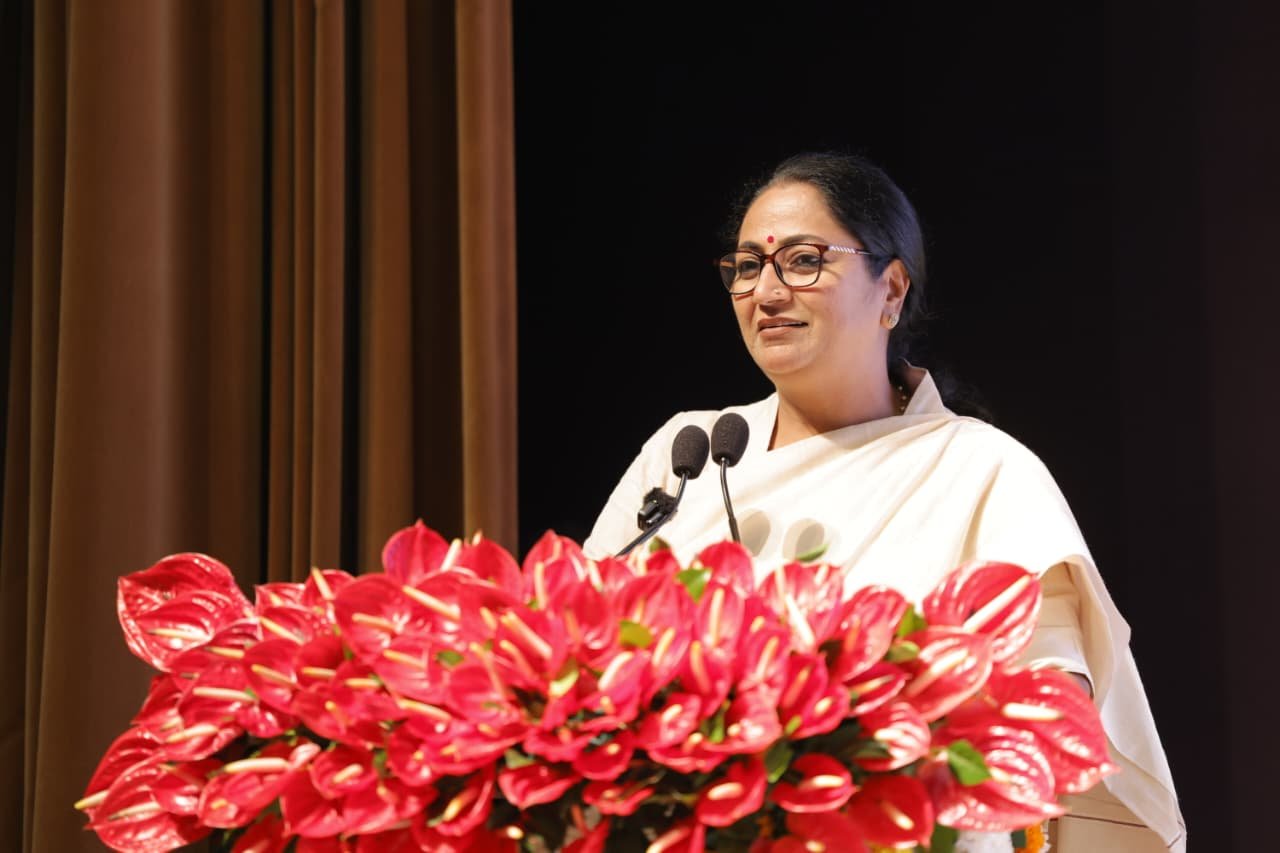
Chief Minister Rekha Gupta said cleanliness is not the responsibility of any one department or agency, but a shared responsibility of every citizen. The government’s objective in freeing Delhi from garbage is not merely to run cleanliness drives, but to make cleanliness a part of citizens’ daily behaviour and lifestyle. Government departments, local bodies, market associations, RWAs, educational institutions, industrial organisations, voluntary organisations and citizens will all be brought together to give the campaign the character of a broad-based people’s movement.
She said garbage and dirt are among Delhi’s biggest problems. Despite the large volume of waste generated every day, inadequate processing led to the creation of garbage mountains in the city. The government is now working with full seriousness and determination to address these problems. Resolving the financial difficulties of the Municipal Corporation of Delhi is a priority for the government. She assured officials that lack of funds would not be allowed to come in the way of sanitation work, but stressed that officials and elected representatives must also demonstrate the will, responsibility and resolve to deliver results.
Cleanliness competition among wards
Chief Minister Rekha Gupta announced that a cleanliness competition would be held at the ward level for the next 12 months. Every month, the ward found to be the cleanest will receive ₹1 crore. If a ward continues to perform exceptionally well in the following month, it may receive an additional incentive of up to ₹2 crore, and a ward could receive up to ₹12 crore in CMDF funds over the course of the year.
She made it clear that the funds would be awarded on the basis of performance in the competition. The cleanliness of wards will be assessed on the basis of reports from an independent agency, reports submitted by officials and complaints received from citizens/social media. The Chief Minister said that if a complaint of garbage being found in a ward comes to light, the concerned ward may be disqualified from the competition.
Focus on the ‘Four Cs’ of waste management
The Chief Minister laid special emphasis on the four ‘Cs’ of waste management- collection, cleaning, conversion and circular economy. She said waste should be segregated where it is generated; proper collection should be ensured where it is accumulated; once it reaches a waste processing centre, it should undergo scientific processing and disposal; and wherever dirt is found, immediate action should be taken. Work will also be undertaken to turn waste into resources and promote green fuel and the circular economy.
Special activities announced under the campaign
Chief Minister Rekha Gupta said special cleanliness drives would be conducted in slum clusters on August 23 and 30 and September 6 and 13. Special attention would be given to the cleaning of public toilets every Saturday and Sunday. From September 1 to 10, a campaign would be conducted to remove green waste from parks. A special cleanliness drive would also be held at government hospitals in every area on September 17. From September 17 to October 2, the ‘Mera School, Sabse Sundar’ competition would focus on the upkeep and beautification of government schools, while a zero-waste campus campaign would also be launched in schools. She said 70 mechanical sweeping machines, additional litter-picker vehicles for each ward and 125 secondary collection centres for C&D waste are being developed to strengthen the sanitation system. ‘Delhi Ko Kude Se Azadi’ will be possible only when every citizen considers it their own responsibility.
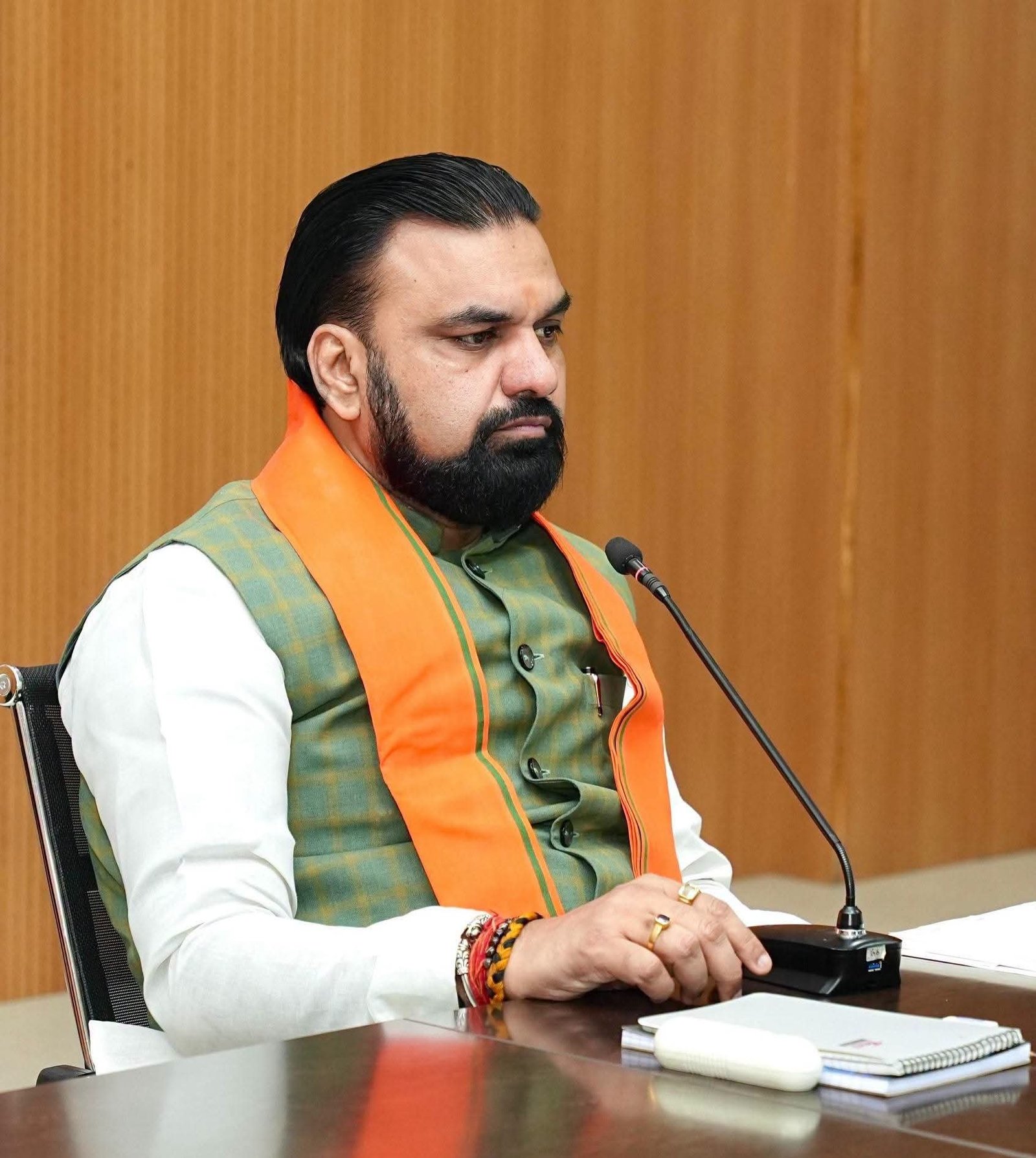
Delhi Urban Development Minister Ashish Sood said the ‘Delhi Ko Kude Se Azadi’ campaign is not merely about cleaning roads, but about changing the face of Delhi, citizens’ habits and their approach to cleanliness. Every citizen will have to care about the cleanliness of their neighbourhood, park, road and back lane in the same way they care for their home. Hon’ble Prime Minister Shri Narendra Modi Ji had called for a Swachh Bharat from the Red Fort, turning cleanliness into one of the country’s major mass movements. The country’s goal now is to build garbage-free cities, and Delhi is also part of this national resolve.
Delhi Mayor Pravesh Wahi said ‘Delhi Ko Kude Se Azadi’ is a special campaign to make the capital better and more beautiful. He said the Municipal Corporation of Delhi has done significant work in recent times to eliminate the garbage mountains, with the garbage mountains at Okhla and Bhalswa now on the verge of being eliminated. Under the guidance of the Union Home Minister, the Municipal Corporation of Delhi has taken several important steps for the disposal of dairy waste. Several agreements have also been signed for better management of this waste.
He said that under the leadership of Chief Minister Rekha Gupta, better coordination between the Delhi government and the Municipal Corporation is strengthening waste management, sanitation and the upkeep of public spaces. Identifying garbage-sensitive locations, ensuring regular cleaning there, segregation of waste at source, timely collection and scientific processing will be among the campaign’s priorities. An intensive drive will now be conducted for the next fortnight. All Municipal Corporation employees will take to the streets and work to turn the resolve of making the capital clean and beautiful into reality. The Mayor also appealed to Delhi residents to participate in the campaign in large numbers.
Clear directions to local bodies and departments
In accordance with the Chief Minister’s directions, the Delhi government’s Urban Development Department has instructed all concerned departments and local bodies, including the NDMC, MCD and Delhi Cantonment Board, to work on a detailed action plan to ensure effective and time-bound implementation of the campaign. The department has been directed to ensure that the campaign does not remain limited to formal activities, but is regularly monitored at every level and implemented in a result-oriented manner.
Comprehensive cleanliness activities for local bodies
Under the campaign, local bodies have been directed to conduct intensive cleanliness drives not only in government offices but also in public places, markets, educational institutions, hospitals, industrial areas and other important premises. Along with regular cleaning, sanitation and maintenance, emphasis will be placed on identifying garbage-sensitive locations and ensuring permanent solutions for them.
In addition, source segregation of waste, reduction in single-use plastic, scientific disposal of solid waste, awareness programmes, cleanliness pledges, workshops and information, education and communication activities will be organised. RWAs, market associations, industrial organisations, educational institutions, voluntary organisations, self-help groups and other community organisations will also be brought into the campaign.
Local bodies have also been directed to undertake activities such as tree plantation, composting of horticultural waste, maintenance of parks and development of green public spaces, as well as cleaning of drains, water bodies and other public infrastructure. Cleanliness competitions will also be organised during the campaign to ensure maximum participation from schools, markets, RWAs and other groups.
Different activity every day, special cleanliness drive every week
According to the action plan prepared for the campaign, daily activities will include cleaning of garbage-sensitive locations, intensive cleaning of roads and footpaths, cleanliness pledges, night-time cleaning in market areas, awareness campaigns and ‘Swachhta Ki Pathshala’ sessions in schools, tree plantation, repair of potholes, beautification of footpaths and central verges, and cleaning of public and community toilets.
At the weekly level, Mondays will see drives to remove unauthorised writing and posters from walls and public places; Tuesdays will focus on cleaning community centres, back lanes and religious places; Wednesdays will be dedicated to cleaning railway tracks and the Ring Road; Thursdays will focus on inspections of compliance by bulk waste generators and on-site waste processing; Fridays will be devoted to office cleaning and ward-level review meetings; and Saturdays will see special cleanliness drives in slum and JJ clusters.
Major directions issued to departments
All government offices and premises will conduct special cleanliness drives covering record rooms, stores, corridors, washrooms, parking areas and surrounding spaces, while old and unused records/documents will be disposed of as per the prescribed procedure. Departments have also been directed to eliminate the use of single-use plastic in government offices and promote reusable bottles, glasses, cups and other environment-friendly alternatives during meetings and official activities.
Officials and employees will participate in shramdaan activities involving removal of garbage, desilting of drains, removal of unauthorised posters/hoardings, tree plantation and beautification of public spaces. Special cleanliness drives will also be conducted at garbage-sensitive locations, markets, parks, water bodies, slum clusters and other public places in coordination with the MCD, NDMC, DCB, RWAs, market associations and other local stakeholders. Awareness and necessary arrangements will be made to ensure segregation of wet and dry waste at source and promote the 3Rs — reduce, reuse and recycle.
Repair, maintenance and cleaning of public assets under the control of departments, including office buildings, toilets, waiting areas, signages, parks and bus shelters, will be ensured. Unused furniture, equipment and scrap will be disposed of as per prescribed rules, while e-Office and digital communication will be promoted to reduce paper consumption. The campaign’s activities will be widely publicised through departmental websites, social media, digital displays and other information, education and communication channels, with efforts to encourage citizens to participate actively.
All subordinate offices, autonomous bodies and field units have been directed to implement the campaign in accordance with uniform guidelines and in the same spirit, and to nominate nodal officers for coordination and monitoring. A photographic record of every activity will be maintained, and progress reports will be submitted to the Urban Development Department in the prescribed format every Monday. Employees, contractual workers, sanitation workers and other relevant stakeholders will also be encouraged to take a cleanliness pledge, while efforts will be made to bring citizens into the campaign.