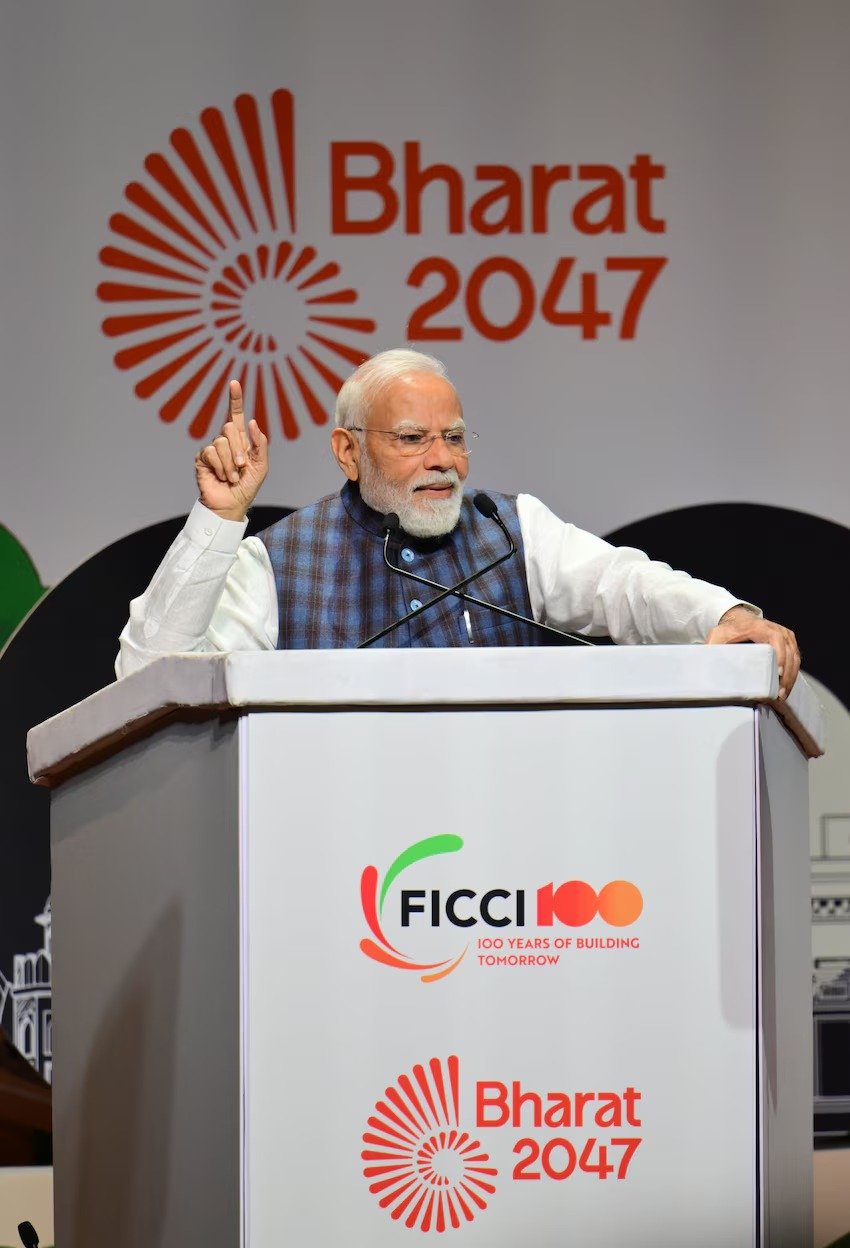
New Delhi, Nov 2026 : Prime Minister Narendra Modi on Thursday urged Indian industry to demonstrate how economic reforms and tax concessions introduced by the government have translated into increased employment opportunities and higher incomes for workers.
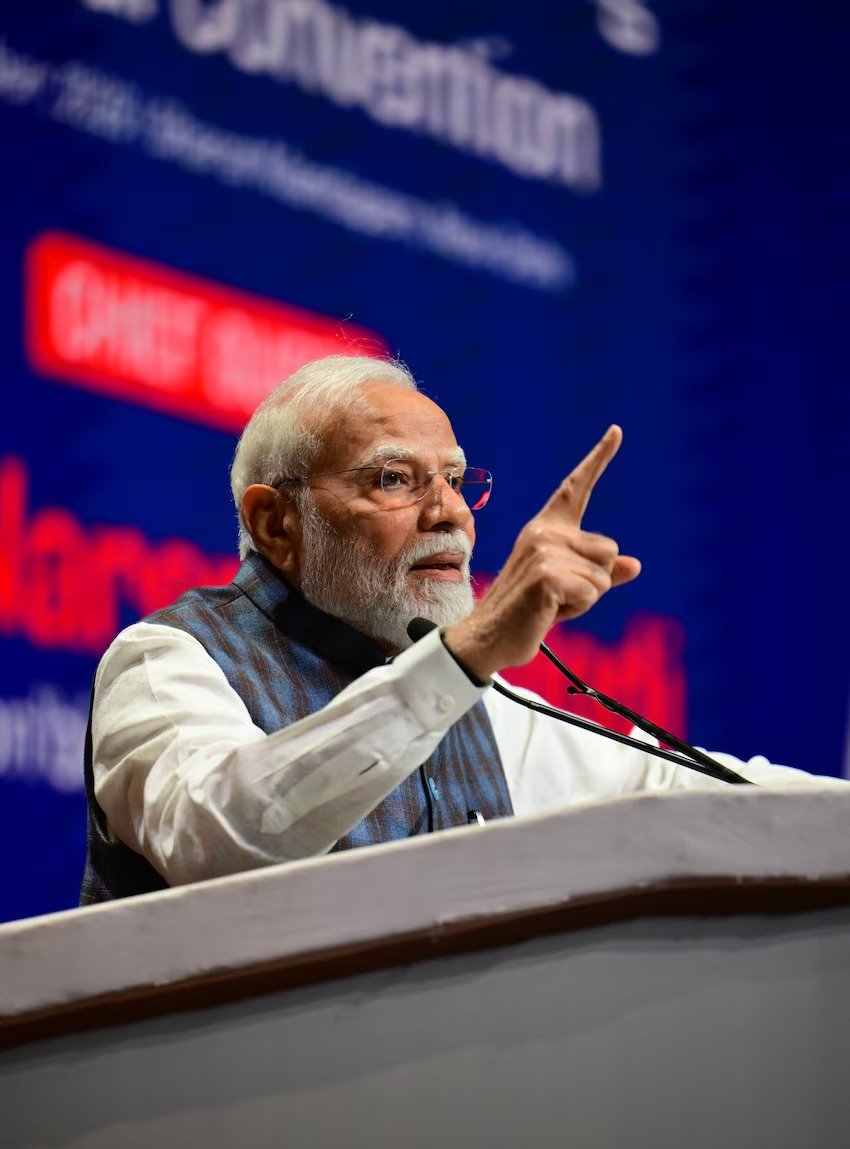
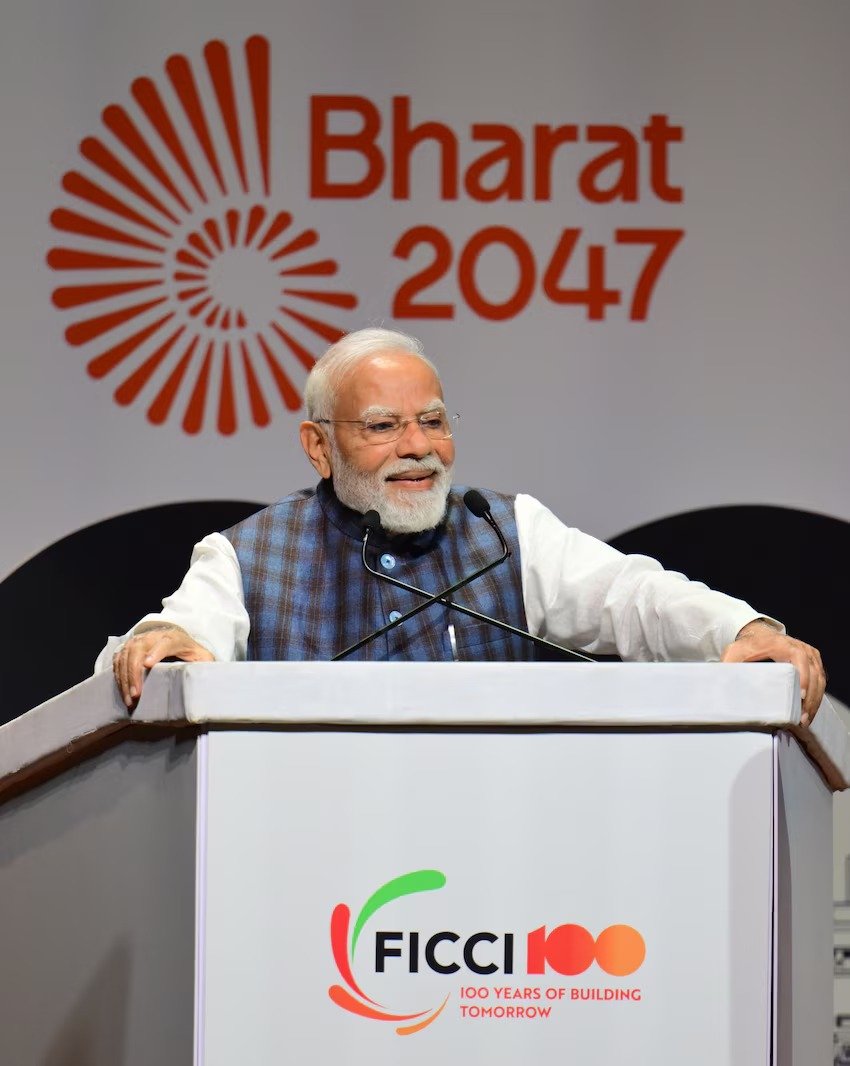
Addressing the Federation of Indian Chambers of Commerce and Industry (FICCI) Annual General Meeting and Annual Convention in New Delhi, Modi said the government had undertaken several measures to improve the business environment, reduce compliance burdens and expand opportunities for Indian companies. However, he stressed that industry must ensure the benefits of these reforms reach employees and contribute to broader economic growth.
The Prime Minister cited reductions in corporate tax rates, income tax relief, simplified regulatory procedures and trade agreements as measures intended to support businesses. He questioned whether companies had responded by creating more jobs and improving employee wages.
Modi said businesses should not expect the government alone to drive India's development, emphasising that the private sector must act as an active partner in the country's growth journey.
He also called on industry leaders to develop concrete plans to take advantage of India's expanding network of free trade agreements. Rather than relying entirely on the government to identify overseas opportunities, businesses should study international markets and build strategies to compete globally.
Highlighting the importance of product quality, the Prime Minister said Indian consumers deserved the same standards of goods that companies offered in overseas markets. He questioned the practice of marketing certain products as being of superior "export quality" and said domestic customers should not be treated differently.
"My countrymen deserve quality goods," Modi said, urging companies to maintain consistent quality standards across domestic and international markets.
The Prime Minister also called for greater investment in domestic manufacturing, particularly in sectors where India continues to depend on imports despite having substantial industrial capabilities.
Citing the pharmaceutical industry, he noted that while India is recognised globally as the pharmacy of the world, it still imports active pharmaceutical ingredients (APIs) and intermediates worth billions of dollars. He urged companies to identify ingredients that could be manufactured competitively within the country and invest in the technologies needed to achieve this.
Modi also referred to the aluminium and steel industries, pointing out that India has considerable raw material resources but remains dependent on imports for certain specialised products. He called for stronger domestic manufacturing capabilities in these areas.
Agriculture and food processing were identified as additional sectors requiring greater industry participation. The Prime Minister said India's share in global agricultural exports remained around 2 to 2.5 per cent despite its large production base.
He encouraged businesses to invest in food processing, value addition and products suited to international demand, instead of focusing predominantly on domestic consumption.
The Prime Minister's message was that industry must translate the benefits of government reforms into employment, better incomes, improved product quality and stronger global competitiveness.