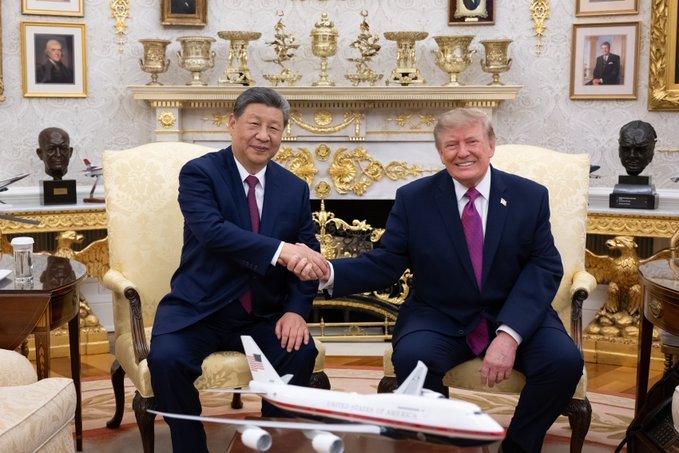
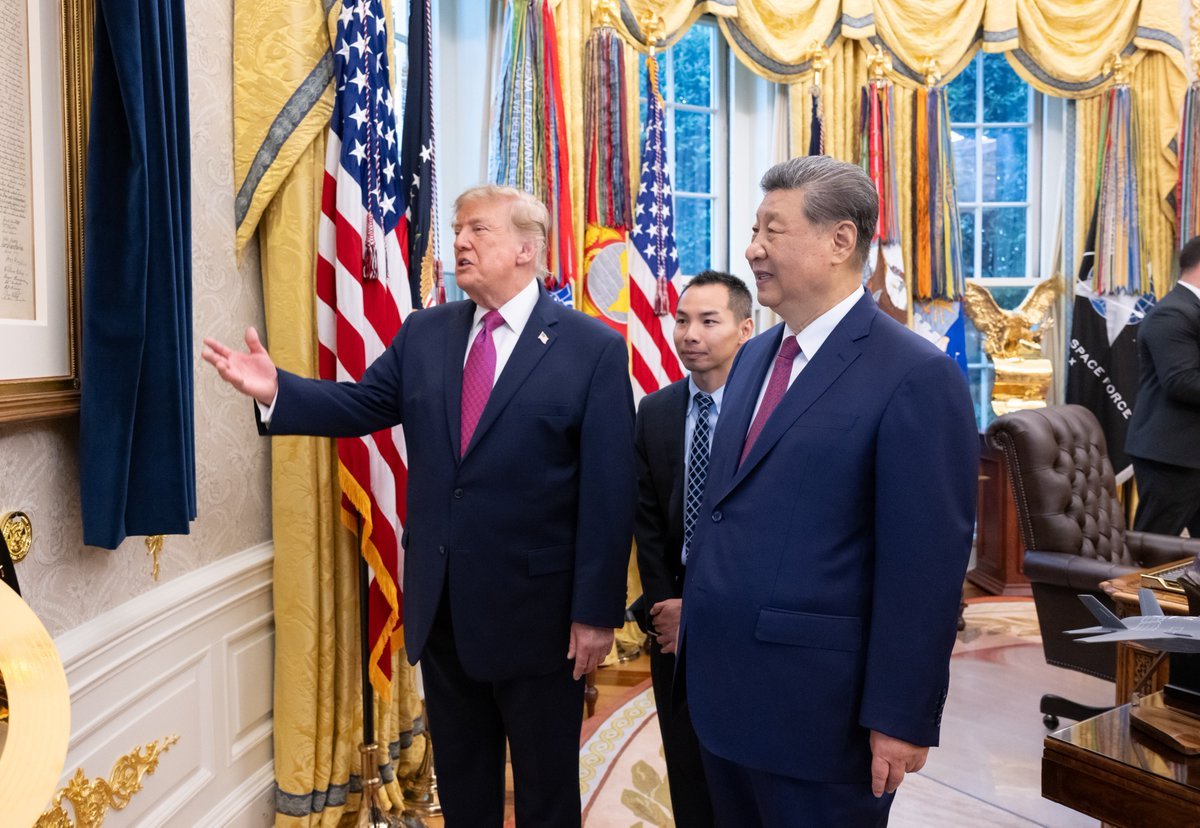
President Donald Trump’s engagement with Chinese President Xi Jinping has exposed divisions in the US Senate, with Republicans stressing strategic stability and cooperation while Democrats accuse the administration of making concessions and failing to adequately address trade, technology and human-rights concerns.
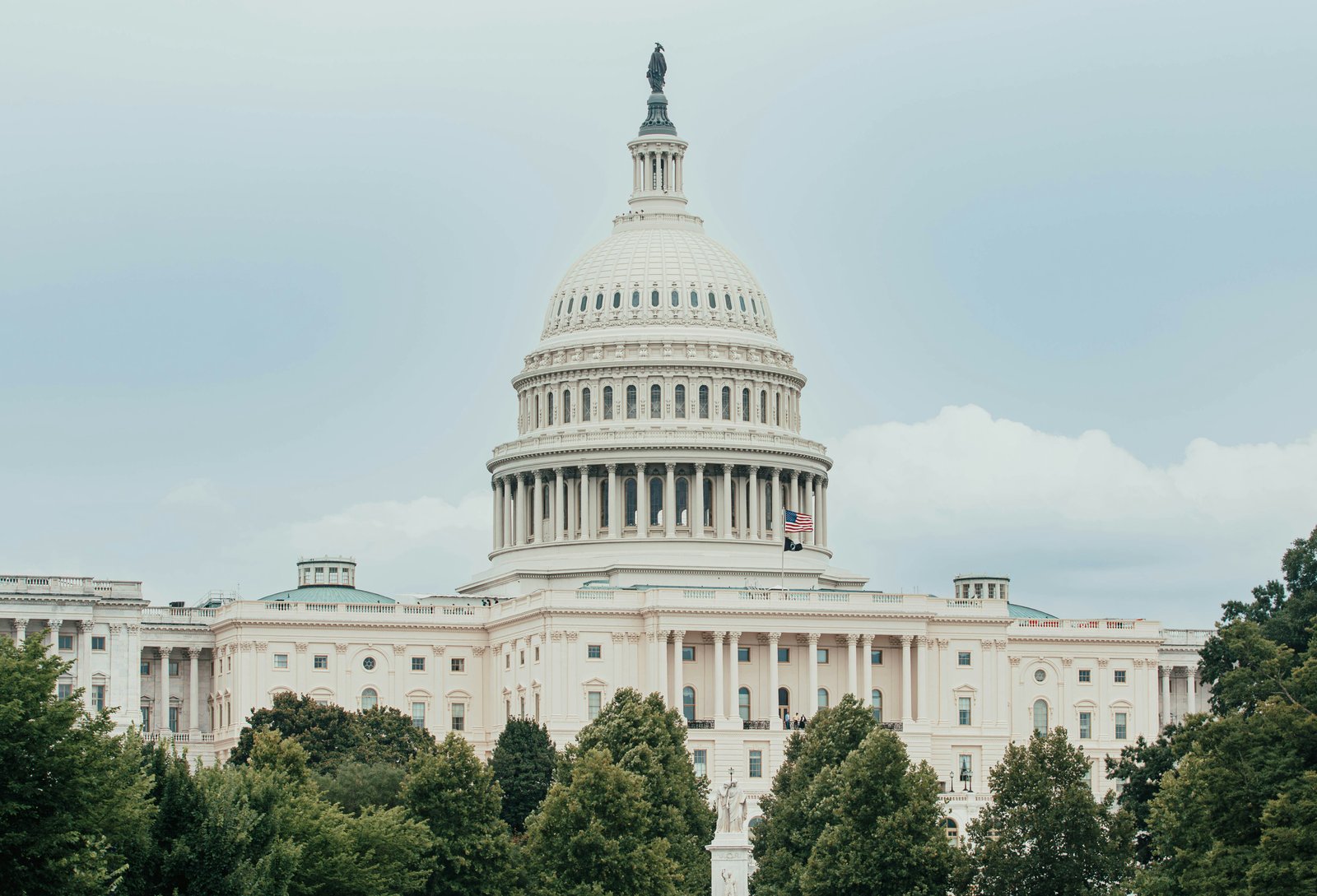
WASHINGTON, Sept 2026 : President Donald Trump’s engagement with Chinese President Xi Jinping has triggered a sharp debate in the US Senate, with lawmakers divided over the balance between diplomatic engagement and pressure on Beijing.
Republican Senator Steve Daines welcomed the summit, arguing that constructive engagement between the leaders of the world’s two largest economies and military powers was important for maintaining stability in the relationship. He also highlighted the growing importance of artificial intelligence as an area of competition between the United States and China.
Daines said the public engagement between Trump and Xi was significant because Washington and Beijing remain major competitors across trade, technology and national security. He pointed to discussions between US Treasury Secretary Scott Bessent and Chinese Vice Premier He Lifeng on trade, AI and Iran as evidence of continued high-level communication.
The Republican senator described the US-China relationship as too important to fail and argued that Beijing would interpret the reception accorded to Xi as a sign of respect. At the same time, he cautioned that Washington should not underestimate China's technological ambitions.
Daines said the United States remained ahead in the development of advanced AI models but needed to improve its adoption of the technology. He urged Washington to maintain its technological lead as competition with China intensifies.
Democratic Senator Ron Wyden, however, offered a sharply different assessment. The Senate Finance Committee’s ranking member accused the Trump administration of making concessions to Beijing in return for what he described as limited commitments on agricultural purchases and critical minerals.
Wyden argued that China had not fully delivered on earlier trade commitments, including purchases of US agricultural products and the supply of rare-earth minerals important to American manufacturers. He also criticised the administration for what he said was insufficient pressure on Chinese policies affecting US workers and businesses.
The disagreement extends beyond trade and technology to human rights and Beijing’s treatment of critics overseas.
Democratic Senator Jeff Merkley said Senate Republicans had blocked his bipartisan resolution condemning what he described as China’s transnational repression, including alleged intimidation and coercion of journalists, activists and others outside China.
Merkley argued that the Senate’s action sent the wrong message while Xi was visiting Washington. His proposed legislation seeks to strengthen the US response to foreign governments and individuals accused of stalking, intimidating or assaulting critics and diaspora communities across borders.
The summit has also prompted renewed congressional attention to religious freedom in China.
Republican Senator Chuck Grassley, along with Senators Ted Budd and Tim Kaine, led a bipartisan group urging Trump to raise the cases of detained pastors and members of religious minorities during his discussions with Xi.
Their letter highlighted concerns involving Tibetan Buddhists, Christians, Uyghur Muslims and Falun Gong practitioners. The senators called for the release of people detained for exercising religious freedom and urged Beijing to end harassment of religious organisations.
The group also cited the earlier case of Pastor Ezra Jin, whose release followed discussions between Trump and Xi during their Beijing meeting earlier this year. The letter was additionally signed by Merkley and Senators Roger Wicker, Peter Welch, Katie Britt, Tim Scott, James Lankford and Ted Cruz.
Religious freedom groups had separately urged Trump before the summit to press Xi over prisoners held because of their faith, reflecting broader concerns about China's treatment of religious minorities.
The Senate debate comes as Washington and Beijing seek to manage a relationship marked by strategic competition but also economic interdependence. Recent discussions have included trade, critical minerals and possible mechanisms for dialogue on AI safety, while major disagreements over technology, security and human rights remain.
The contrasting Senate reactions underline the competing priorities confronting US policymakers: maintaining channels of communication with Beijing while addressing concerns over trade practices, technological competition, national security and human rights.
(Disclaimer :The content of this article is sourced from a news agency and has not been edited by the Mavericknews30 team.)