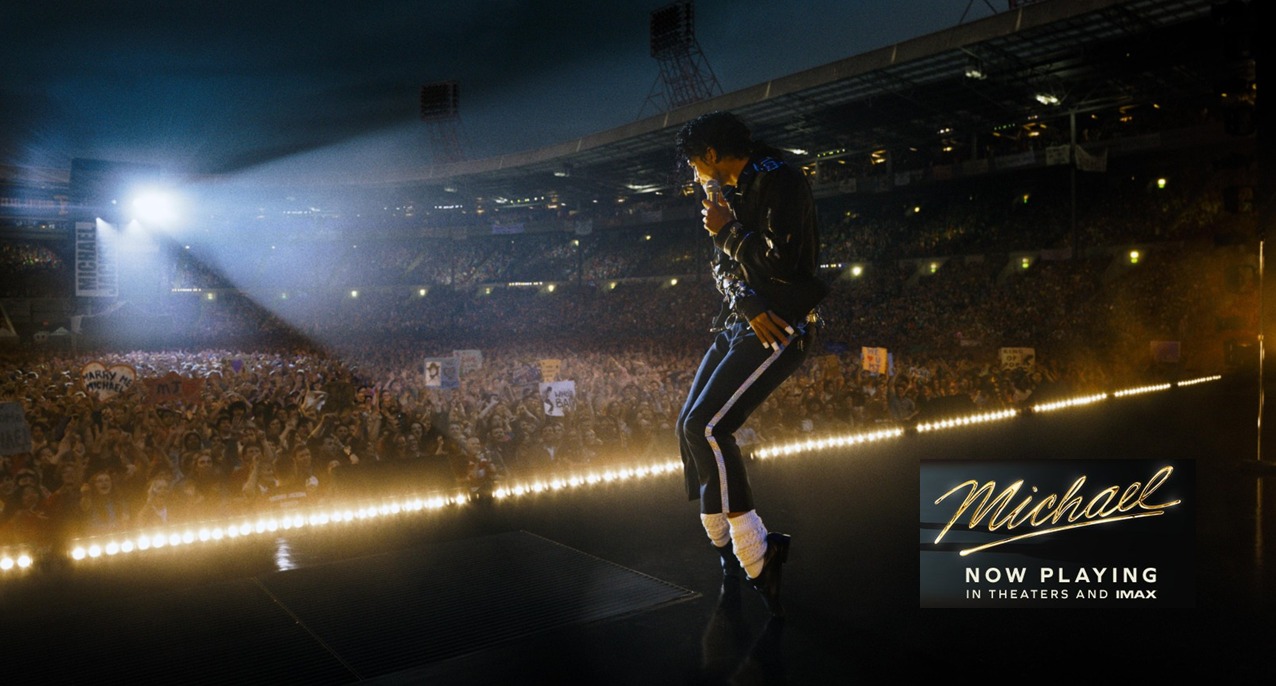
“Michael”: A Dazzling Tribute That Celebrates the King of Pop in Grand Style

Mavericknews30.com (4/5)
Hyderabad, April 2026 : Seventeen years after the passing of the King of Pop, Michael Jackson, his legacy returns to the big screen in Michael, a long-awaited musical biopic directed by Antoine Fuqua. Featuring his nephew Jaafar Jackson in the lead role, the film attempts to chronicle the meteoric rise of one of the most influential artists in global music history. While it may not fully succeed as a deeply layered character study, Michael delivers an electrifying cinematic experience that celebrates the music, magic, and myth of a global icon—earning a solid 4 out of 5 stars from Mavericknews30.com.
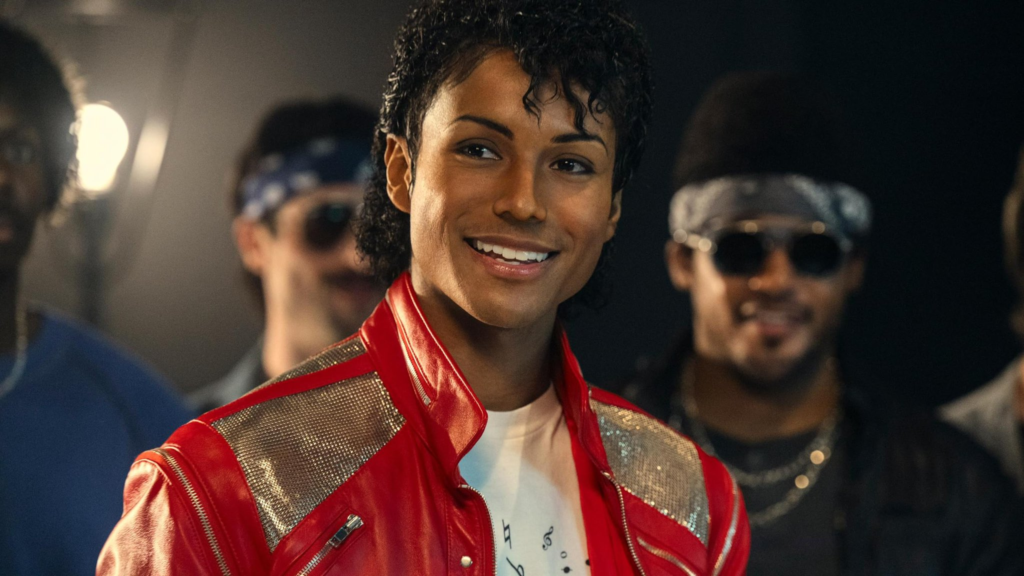
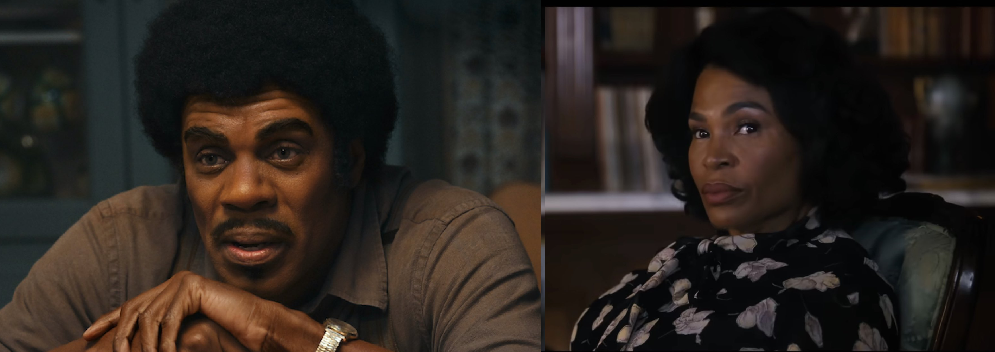
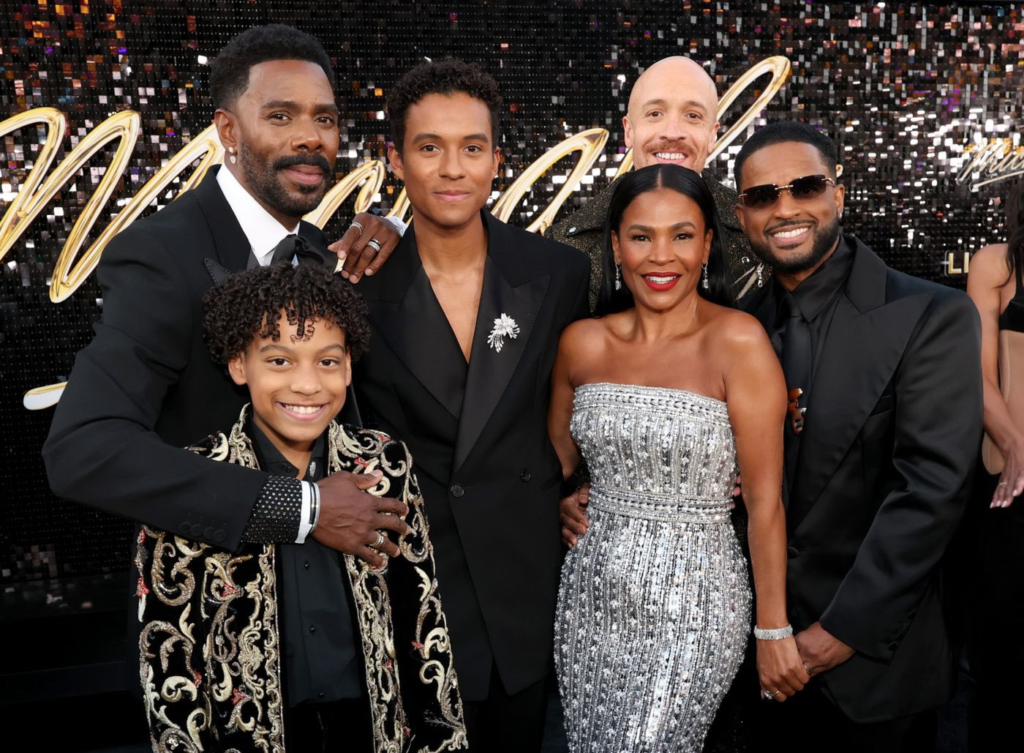
From its opening moments, the film makes its intentions clear. Framed around the iconic 1988 Wembley Stadium performance, Michael quickly transports viewers back to Gary, Indiana, where a young Michael’s journey begins. These early sequences, featuring Juliano Valdi as the child prodigy, highlight the relentless discipline imposed by his father, Joseph Jackson, played with commanding intensity by Colman Domingo.
The portrayal of Joseph Jackson is arguably one of the film’s most compelling aspects. He is depicted as a harsh, often abusive patriarch, yet also as a driving force behind the success of The Jackson 5. This duality brings tension and emotional weight to the early narrative, even if the film moves briskly through these formative years.
As the story progresses, it traces Michael’s transition from child star to solo sensation, touching upon milestones like the creation of the groundbreaking album Off the Wall. However, rather than dwelling deeply on the struggles and complexities behind these achievements, the film opts for a more celebratory tone. Success appears almost inevitable, and while this may limit dramatic tension, it reinforces the mythic aura surrounding Michael Jackson’s rise.
Where Michael truly excels is in its presentation. Visually, the film is stunning. The production design meticulously recreates the glitz and grit of 1970s and 1980s show business, from smoky recording studios to dazzling concert arenas. The costume design deserves special mention, faithfully bringing to life Michael Jackson’s iconic looks—from sequined gloves to sharply tailored jackets.
The musical sequences are, without a doubt, the film’s beating heart. Jaafar Jackson delivers a remarkably authentic performance, capturing not just his uncle’s voice and dance moves, but also his stage presence. Whether it’s the energy of “Wanna Be Startin’ Somethin’,” the groove of “Don’t Stop ’Til You Get Enough,” or the legendary Motown 25 performance of “Billie Jean,” the film recreates these moments with breathtaking precision.
The choreography is crisp, immersive, and often exhilarating. Songs like “Beat It” and “Thriller” are brought to life through intricately staged sequences that blur the line between tribute and reinvention. The use of sound design further enhances this experience, blending archival vocals with Jaafar’s performance to create a seamless auditory illusion. In a theatre setting, these moments feel less like scenes from a film and more like attending a live concert.
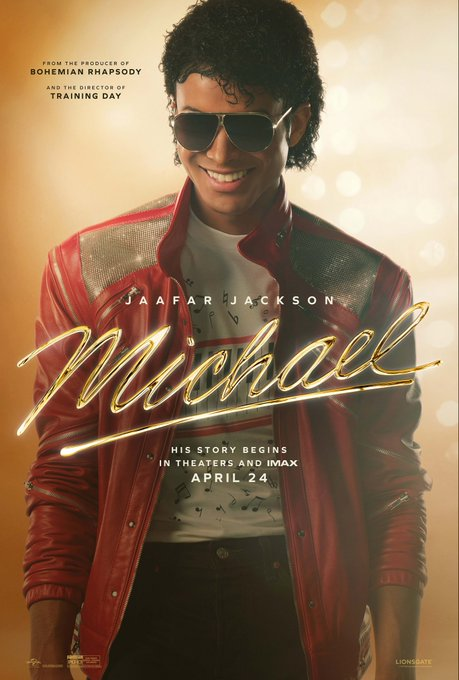
However, the film’s greatest strength is also its most noticeable limitation. While it succeeds brilliantly as a musical spectacle, it falls short in exploring the deeper layers of Michael Jackson as a person. The narrative largely avoids complexity, presenting him as a consistently kind, almost flawless figure. This approach, while respectful, results in a somewhat one-dimensional portrayal.
That said, there are glimpses of introspection—particularly in scenes exploring Michael’s physical transformation, personal insecurities, and profound loneliness. His bond with his pet chimpanzee, though symbolic, underscores the isolation that often accompanies immense fame. These moments hint at a more complex narrative that the film only partially explores.
The storytelling structure is somewhat uneven, with frequent time jumps that disrupt the narrative flow. The film occasionally feels like a series of highlights rather than a cohesive journey. The ending, while visually powerful, arrives rather abruptly, leaving a sense of incompleteness.
Yet, despite these shortcomings, Michael succeeds in what it sets out to do—celebrate the legend. It captures the essence of why Michael Jackson remains an enduring cultural phenomenon. His music, his innovation, and his ability to connect with audiences across generations are all vividly brought to life.
Importantly, the film avoids delving into the controversies that surrounded Jackson’s later years. While this decision may divide audiences, it aligns with the film’s focus on his artistic peak between 1966 and 1988. Given the film’s already limited narrative depth, this omission arguably helps maintain its tone as a tribute rather than a critique.
Ultimately, Michael works best when viewed not as a definitive biography, but as an immersive musical experience. It is less about dissecting the man and more about celebrating the icon. For longtime fans, it offers a nostalgic and emotionally resonant journey. For newcomers, it serves as a visually stunning introduction to one of music’s greatest legends.
If you walk into the theatre expecting a deeply analytical story, you may find yourself wanting more. But if you’re looking to feel the energy, rhythm, and magic of Michael Jackson on the big screen, Michael delivers in spectacular fashion.
Rating: ★★★★☆ (4/5)
Disclaimer: This review is based on the reviewer’s individual perspective. Audience opinions may vary.




Chandrababu Naidu Reviews Preparations for PM Modi’s August 1 Inauguration of Bhogapuram International Airport
Amaravati, July 2026 : Andhra Pradesh Chief Minister N. Chandrababu Naidu on Monday conduc…

Chandrababu Naidu Reviews Preparations for PM Modi’s August 1 Inauguration of Bhogapuram International Airport
Amaravati, July 2026 : Andhra Pradesh Chief Minister N. Chandrababu Naidu on Monday conducted …