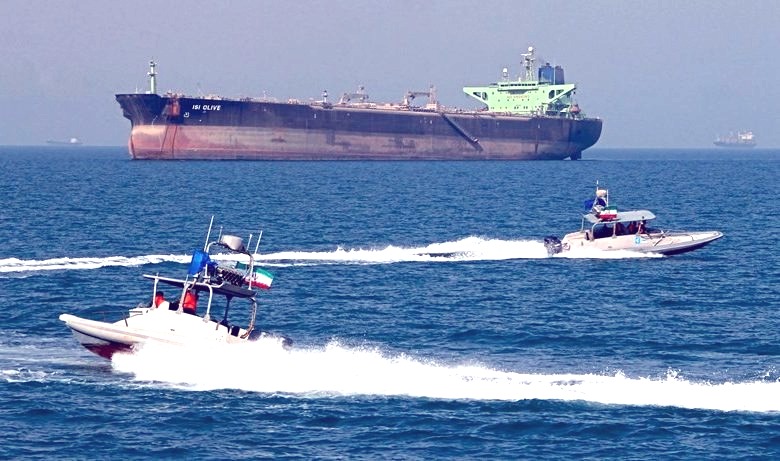
Iran Charging For Passage Is The Revival Of Old Maritime Business Model.

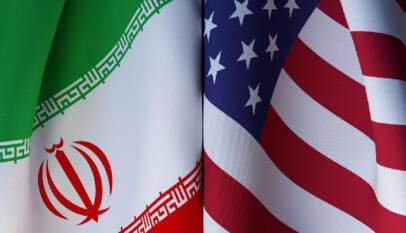
Tehran; May 2026: The Strait of Hormuz has been pretty much closed for more than 80 days now, baring certain exceptions, while Iran fire guns in controlling the strait, alongside proposes to impose toll tax, and has drafted an insurance plan with premiums to be realised vide crypto currencies & blockchains.
Iran’s proposals evitably has been rejected by America (acting as a global leader on behalf of other nations, although they do not have ships now). But historically as envisaged – Iran’s proposal of a toll imposition is not quite new, rather as experts have visualised it as the revival of centuries old maritime business model.
With the help of historical studies, earlier episodes of charging for passage through a strait of great economic importance were accessible.
Sound Dues – the Oresundstolden, which were first charged, on all ships and cargoes passing into or out of the Baltic, by King Erik VII of Pomerania, in 1429, and which were charged by, at various times, the Kalmar Union (that’s Denmark, Sweden and Norway together) Sweden and Denmark and later by the Kingdom of Denmark, until 1857.
The Øresund connects the North Sea to the Baltic Sea, making it a critical geopolitical choke point for European trade. Ships were required to stop in Helsingør to declare their cargo and pay the toll, conveniently close to the Danish Crown’s heavily fortified Kronborg Castle. During the 16th and 17th centuries, the tolls accounted for up to two-thirds of Denmark’s total state income.
The ‘Honesty Clause’: Ship captains were required to declare their cargo; if they were honest, they were paid 04% of the toll amount. However, smuggling was rampant, and evasion attempts were met with heavy fines or intercepted by Danish guard ships.
The system was abolished in 1857 by the Copenhagen Convention, when the most important cross trading ship owning nation of the day, the United States, refused to pay them, and they were abolished in return for one time payments from all the important flag states of 1857 except Brazil, which didn’t pay up, and was finally let off in 2007, when Ander Fogh Rasmussen told Ignacio da Silva (in the course of a state visit) that Brazil was excused.
It seems clear that King Erik’s cunning plan had materialised because cannons were erected at points, where guns mounted in fortresses either side of the narrows could reliably hit any ship passing between them. The master stroke was to levy the toll at 1% of the value of the cargo and, this is the clever bit in asking the master to state the value of his cargo, with the Danish government having the option of buying in the cargo at that figure.
In the end it all got too complicated, with ships being held up whilst the Danish customs people tried to find out the values of things that they had never heard of, and then the Americans, who really were the Greeks of the day, with a huge fleet of cross traders, built with all that softwood from their forests, got fed up and refused to pay. They could have asked for Greenland, of course, but they had no use for it, then.
Team Maverick.




India Aims to Build a World-Class Drone Ecosystem as Defence Reforms Accelerate Innovation
New Delhi, July 2026 : Defence Secretary Rajesh Kumar Singh has said that building a globa…

India Aims to Build a World-Class Drone Ecosystem as Defence Reforms Accelerate Innovation
New Delhi, July 2026 : Defence Secretary Rajesh Kumar Singh has said that building …