A 370% Rise In Illegal Child Placements Across England Is Exposing Councils To Escalating Issues.

London; May 2026: A report by Charity Commonweal Housing (CCH) has found placements in unregistered children’s homes increased by 370% over the last five years. Hundreds of children, many of whom are at risk of violence, criminal or sexual exploitation, are currently living in undwelling settings or have effectively been excluded from a care system that is unable to meet their needs.
Local authorities across England are increasingly placing vulnerable children in unregistered accommodation, including Airbnb’s, caravans and canal barges, as shortages in registered care placements intensify.
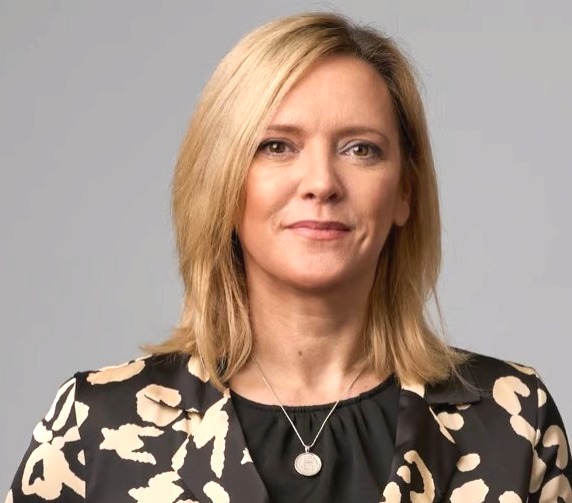
Kella Bowers, head of insurance at Forbes Solicitors in the United Kingdom, described the situation as “a perfect storm”, warning it is creating major liability, safeguarding and governance exposures for councils already under severe pressure. “The local authority has a duty to place and find a placement for a child. That duty exists in an environment in which more and more children are coming into the care system with really complex trauma and behavioural issues, and there has been a long history of failing to invest in those placements”.
According to Bowers, shortages have become so severe that some children subject to deprivation of liberty orders are being placed significant distances from home because no suitable alternatives exist nearby.
The Children’s Homes Association has warned that developing new registered care placements can take up to two years, with planning disputes, staffing shortages and a lack of registered managers slowing expansion.
Unregistered children’s homes, sometimes referred to as UCHs, are technically illegal for children under 16. However, councils continue using them because the alternative can be leaving vulnerable children without accommodation altogether.
Emergency placements create particularly acute situations. “No director of a Children’s Social Care service would ever pick to place a vulnerable child in a log cabin”, Bowers said, “but these things happen at midnight where there’s an emergency placement required and there are no secure local options”.
The illegality of a placement does not automatically void insurance cover, Bowers said, but it can significantly complicate claims that follow. “The use of an illegal placement doesn’t mean that a local authority’s insurance policy wouldn’t be triggered”, she said. “It’s all about risk and damage. If a child in that placement injures themselves, or staff who weren’t appropriately trained in physical restraint injure the child, or are injured by the child, then a claim would trigger the insurance policy in the same way”.
Bowers warned these are not low-value exposures. Cases involving repeated placement breakdowns and unreasonable social work practice can involve substantial counselling costs, lifelong care payments and secure placement funding, potentially running into millions of pounds.
Beyond physical injury, Bowers said psychological harm may also become a significant source of claims, particularly where children are placed far from home without regular contact or oversight. “There is potential for a child to bring a claim that it’s psychologically damaged them because they’ve been transported long distances from their family, and they will believe that they’ve not been seen and that they’ve not been heard”, she said.
The risk of children going missing from unregistered placements creates another layer of exposure. Bowers warned absconding can lead to criminal exploitation, sexual exploitation and county lines involvement, potentially generating further claims against the placing authority. Another noteworthy component of this problem, according to Bowers, is that local authority excess levels also vary significantly, with some councils carrying excesses as low as £50,000 while larger metropolitan authorities may absorb as much as the initial £1 million before insurers become involved.
“All that money is coming from taxpayer funds and budgets”, Bowers said, “so this is not an effective use of money, not least the fact that children are potentially damaged by the lack of availability”.
A recent ruling by Justice Henke in the Family Division has created additional scrutiny around how unregistered placements are monitored and documented. The judgment outlined factors courts should consider when assessing whether placements are appropriate, including senior oversight and evidence of continued review.
Bowers warned that when children are placed over 100 miles away in a different local authority area, maintaining the level of oversight required by the ruling can be extremely difficult. Failing to do so, she said, “just adds another opportunity for the court to criticize the placement”.
Specialist foster placements for children with highly complex needs remain extremely limited. Bowers described them as “like gold dust”, with many arrangements breaking down under pressure.
“There is nobody in this country who says that’s not a problem”, Bowers said. “But the principle that the public will latch onto is that local authorities are doing this by choice when nothing could be further from the truth. It is done out of necessity and in order to comply with their statutory obligations to find a placement”.
Until investment in registered care placements keeps pace with the volume and complexity of children entering the care system, the liability risks and claims exposure facing local authorities are likely to continue rising.
Team Maverick.








ISRO Successfully Tests Indigenous Ship-Borne Tracking System for Gaganyaan Mission
New Delhi, July 2026 : The Indian Space Research Organisation (ISRO) has successfully vali…

ISRO Successfully Tests Indigenous Ship-Borne Tracking System for Gaganyaan Mission
New Delhi, July 2026 : The Indian Space Research Organisation (ISRO) has successfully validated …