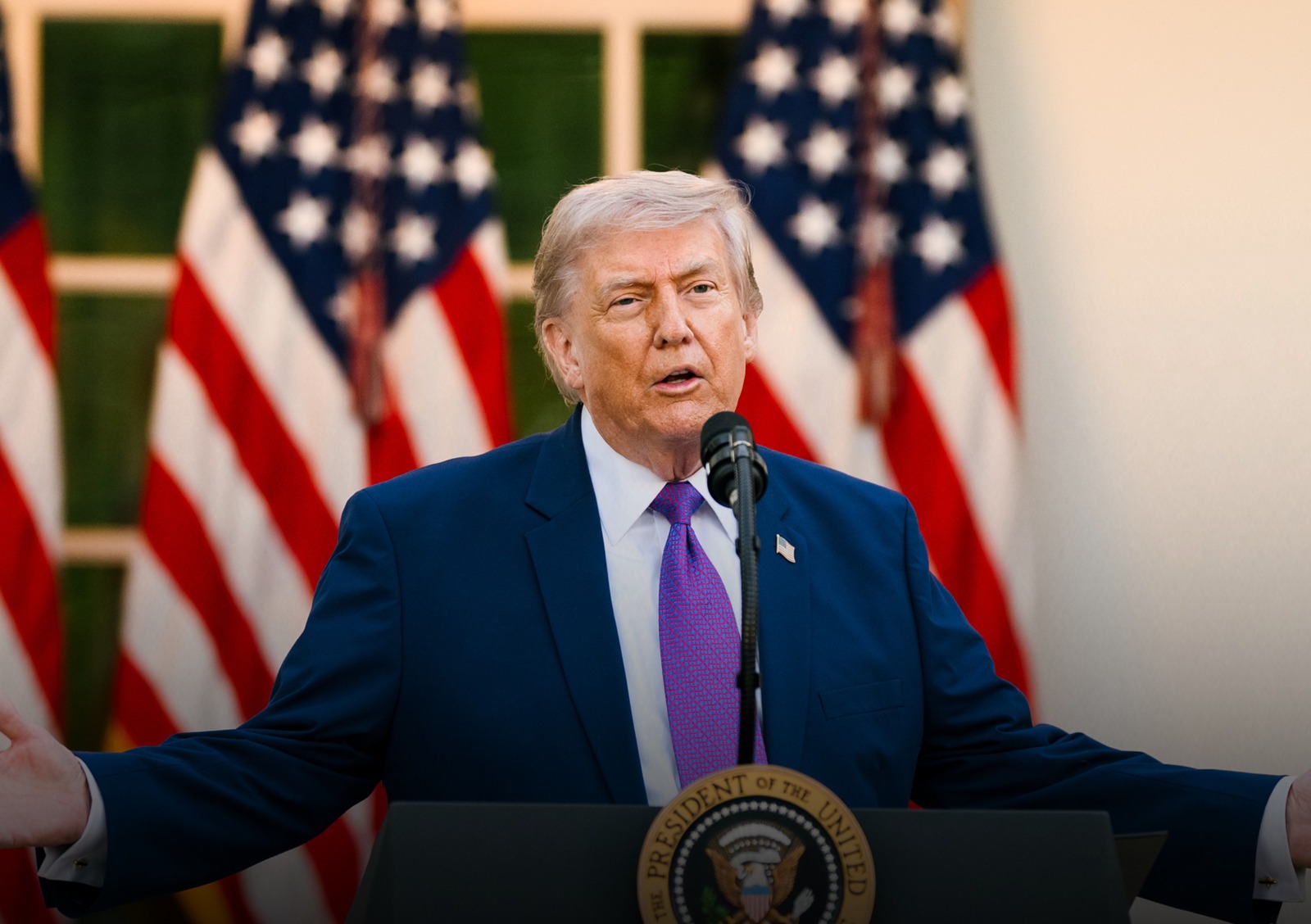
Trump Administration Sets Three Core Conditions for Any Iran Nuclear Deal

Washington, May 2026 : The administration of Donald Trump has outlined three strict and non-negotiable conditions for any future agreement with Iran, with US Treasury Secretary Scott Bessent stating that Tehran must surrender its highly enriched uranium, abandon ambitions for a nuclear weapon, and ensure free navigation through the strategically vital Strait of Hormuz.
• Speaking during a White House briefing, Bessent said negotiations between Washington and Tehran were continuing, but he avoided confirming reports suggesting that a tentative agreement or temporary ceasefire arrangement had already been reached. He stressed that discussions were ongoing and that the final decision would rest entirely with President Trump.
• Bessent reiterated that the US administration would not accept any compromise that failed to meet its key demands. According to him, President Trump had clearly conveyed his position during a Cabinet meeting earlier this week. The administration insists that Iran must hand over its stockpile of highly enriched uranium, permanently give up the pursuit of nuclear weapons, and guarantee unrestricted maritime movement through the Strait of Hormuz, one of the world’s most important oil shipping routes.
• The Treasury Secretary maintained that Trump would reject any weak or incomplete arrangement. He described the administration’s current approach of combining economic sanctions with military pressure as successful in bringing Iran back to negotiations over its nuclear programme, something he claimed previous US administrations had failed to achieve.
Bessent also indicated that sanctions relief would only be considered if Iran agreed to the core US demands. He made it clear that no easing of restrictions would occur until Washington saw concrete commitments regarding uranium surrender, abandonment of nuclear ambitions, and the restoration of open navigation in the Gulf region.
At the same time, the Treasury Secretary signalled that the United States remained willing to continue diplomatic engagement. Referring to recent regional tensions and alleged ceasefire violations, he said President Trump still preferred a peaceful resolution to the crisis.
However, Bessent also issued a warning that military action could again become an option if diplomatic efforts collapsed. He remarked that if President Trump concluded that a peace agreement was not achievable, “kinetic” measures could return to the forefront of US policy.
The comments highlighted the administration’s dual-track strategy of diplomacy backed by pressure. Bessent further claimed that sanctions and growing international pressure had created internal difficulties within the Iranian establishment.
Describing the structure of Iran’s leadership, he said the government consisted of three major pillars — the elected administration, the Islamic Revolutionary Guard Corps (IRGC), and the clerical leadership — and suggested that coordination between them had become increasingly strained under pressure from Washington’s policies.
While speculation continues over the possibility of a temporary understanding between the two countries, US officials have so far refrained from confirming any breakthrough, maintaining that negotiations remain fluid and dependent on President Trump’s final approval.
(The content of this article is sourced from a news agency and has not been edited by the Mavericknews30 team.)






HYDRAA Chief Rejects Blame for Hyderabad Real Estate Slowdown, Says Market Needs Structural Correction
Hyderabad, Aug 2026 : HYDRAA Commissioner and IPS officer A.V. Ranganath has rejected clai…

HYDRAA Chief Rejects Blame for Hyderabad Real Estate Slowdown, Says Market Needs Structural Correction
Hyderabad, Aug 2026 : HYDRAA Commissioner and IPS officer A.V. Ranganath has rejected claims …