Israeli Leaders Voice Concerns Over Trump’s Iran Deal, Seek Stronger Security Guarantees

Washington, June 2026 : Israeli leaders and opposition figures have expressed growing concern over US President Donald Trump’s emerging agreement with Iran, warning that the proposed deal may leave critical security issues unresolved despite being hailed by Washington as a major diplomatic breakthrough.
The criticism comes as details of the agreement remain undisclosed and global leaders prepare to discuss its implications at this week’s G7 summit in France.
According to reports in The Washington Post, the agreement has generated unease across Israel’s political spectrum, with officials worried that it could allow Iran’s leadership and parts of its nuclear infrastructure to remain intact.
Israeli officials are said to be particularly concerned about provisions related to Iran’s enriched uranium stockpile and long-term restrictions on Tehran’s nuclear activities. Several of these contentious issues are reportedly expected to be addressed in future rounds of negotiations rather than in the initial agreement.
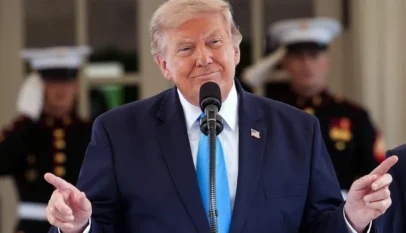
The emerging differences have also highlighted fresh tensions between US President Trump and Israeli Prime Minister Benjamin Netanyahu, long considered close political allies.
In an interview with The New York Times, Trump described Netanyahu as “a very difficult guy” and suggested that Israeli military actions had, at times, complicated diplomatic efforts with Tehran.
The remarks mark a notable shift in tone between the two leaders, who have often shared common positions on regional security matters.
According to The Washington Post, some Israeli politicians believe Washington may be moving too quickly toward a settlement without securing stronger commitments from Iran. They have questioned whether Tehran can be trusted to honour future obligations and have called for continued military and economic pressure to ensure compliance.
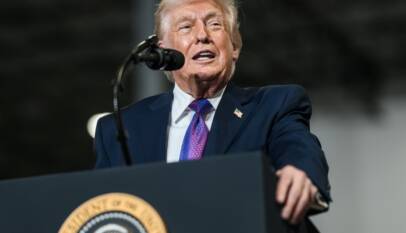
Trump, however, defended the agreement and his administration’s approach. In his interview with The New York Times, he argued that US military strikes and the naval blockade imposed on Iran had altered the regional balance of power and forced Tehran back to the negotiating table.
The US President reportedly claimed that his handling of the crisis had “saved Israel from nuclear obliteration” and would enhance long-term security in the region.
Concerns over enforcement mechanisms have also fueled scepticism in Israel. Reports indicate that critics remain unconvinced that international monitoring systems will be sufficient to detect or deter potential violations by Iran.
Several analysts cited by The Washington Post argued that the success of the agreement would ultimately depend on strict verification procedures, robust oversight and sustained international pressure.
The debate over the deal is shaping up to be one of the first major foreign policy challenges in the next phase of US-Israeli relations.
While Israeli leaders broadly supported earlier American military action against Iran, some now fear that diplomacy could produce outcomes they view as less effective than a prolonged pressure campaign.
As world leaders gather for the G7 summit, the proposed US-Iran agreement is expected to remain a central issue, with allies seeking clarity on its implementation, monitoring and long-term impact on regional stability.
(The content of this article is sourced from a news agency and has not been edited by the Mavericknews30 team.)





Vijender Singh Questions Rahul Gandhi Over Silence on India’s Commonwealth Games Success
New Delhi, Aug 2026 : Olympic medallist boxer Vijender Singh has questioned Congress leade…

Vijender Singh Questions Rahul Gandhi Over Silence on India’s Commonwealth Games Success
New Delhi, Aug 2026 : Olympic medallist boxer Vijender Singh has questioned Congress leader …