Iran Orders Fast-Track Passage Through Strait of Hormuz After Signing MoU with US

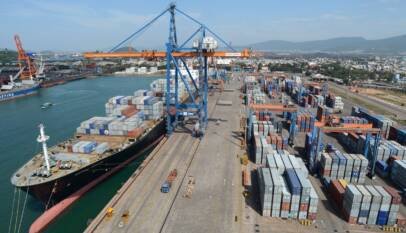
Tehran, June 2026 : Iran’s top security authority has directed the rapid processing of requests from vessels seeking to transit the Strait of Hormuz, marking one of the first major steps following the signing of a new memorandum of understanding (MoU) between Tehran and Washington aimed at easing tensions and restoring maritime stability in the Gulf region.
The announcement was made by Iran’s Supreme National Security Council (SNSC) shortly after Iranian President Masoud Pezeshkian and US President Donald Trump electronically signed the agreement. The MoU is designed to reduce hostilities, improve regional security and facilitate the resumption of normal commercial activity in one of the world’s most strategically important waterways.
According to the SNSC, vessels requesting permission to pass through the Strait of Hormuz will be granted expedited clearance procedures. As an additional confidence-building measure, Iran has announced that no transit fees will be charged for ships crossing the strait during the first 60 days following the implementation of the agreement. The Iranian government will absorb all associated costs during this period.
The council stated that all vessels intending to use the waterway must submit their applications to the Persian Gulf Strait Authority (PGSA), which will oversee the operational aspects of maritime traffic.
While emphasizing the reopening of the route, Iranian authorities noted that ships would be required to follow designated navigation corridors and approved schedules because of existing safety concerns and the need to prevent maritime accidents. Officials said these measures are intended to ensure secure and orderly movement through the narrow shipping lane, through which a significant share of the world’s oil and gas supplies passes.
The SNSC expressed confidence that maritime traffic through the Strait of Hormuz would gradually return to normal levels as confidence in the security environment improves. Detailed technical guidelines and operational procedures will be issued separately by the PGSA.
The MoU between Iran, the United States and Pakistan was initially finalized earlier this week as part of broader efforts to end regional conflicts and reduce tensions across multiple fronts, including Lebanon. The formal signing by Presidents Pezeshkian and Trump is being viewed as a significant diplomatic breakthrough after months of uncertainty.
Meanwhile, attention is now shifting to the implementation phase of the agreement. Speaking at the White House, US Vice President JD Vance described the next 60 days as critical for determining whether the framework can evolve into a lasting settlement.
Vance said the agreement’s success would depend on verified actions rather than political assurances, stressing that any future economic benefits for Iran would be tied to measurable compliance with the terms of the accord.
“The 60-day period officially started today,” he told reporters, outlining Washington’s plans for moving from the current framework to a broader and more durable agreement.
The reopening of the Strait of Hormuz is expected to be closely watched by global energy markets, shipping companies and major oil-importing nations, as uninterrupted traffic through the strategic waterway remains essential for international trade and energy security.
(The content of this article is sourced from a news agency and has not been edited by the Mavericknews30 team.)


Viren Rasquinha Questions India Hockey Team’s New Saffron Jersey
New Delhi, July 2026 : Former India hockey captain Viren Rasquinha has criticised Hockey I…

Viren Rasquinha Questions India Hockey Team’s New Saffron Jersey
New Delhi, July 2026 : Former India hockey captain Viren Rasquinha has criticised Hockey …