PM Modi Speaks with Iran’s President, Calls for Peace and Safeguards Indian Interests

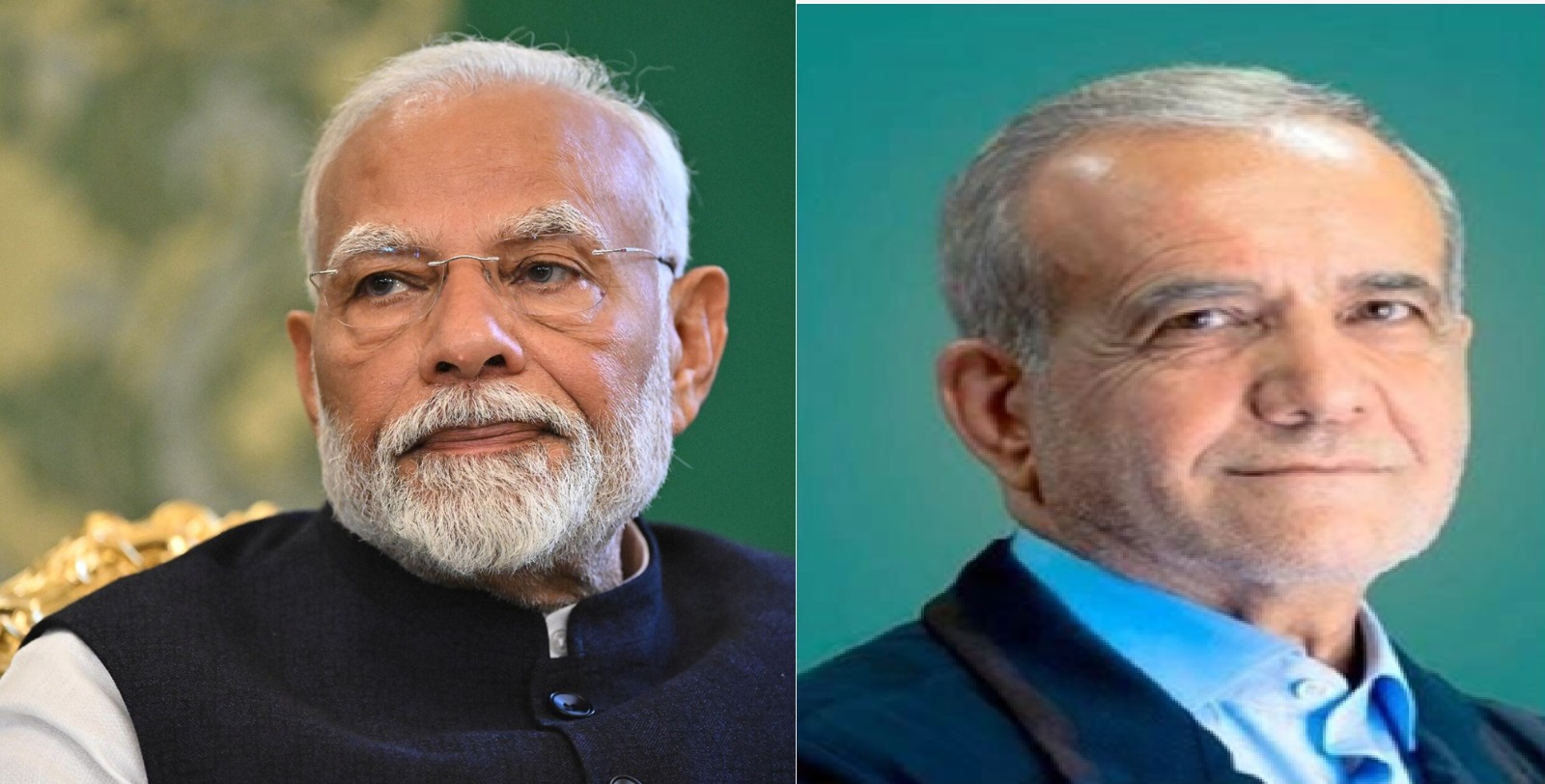
New Delhi, March 2026 : Prime Minister Narendra Modi on Thursday held a telephonic conversation with Iranian President Masoud Pezeshkian to review the evolving situation in West Asia and discuss measures to safeguard regional stability and the interests of Indian nationals.
Sharing details of the interaction on social media platform X, the Prime Minister expressed concern over the escalation of tensions in the region, noting the impact on civilian lives and infrastructure. He emphasised that the safety and security of Indian citizens living and working in the region remain the Government of India’s top priority.
PM Modi also underlined the importance of maintaining the uninterrupted movement of goods and energy supplies, highlighting that disruptions in key trade and energy routes could have significant implications for India’s economy as well as global markets.
“The safety and security of Indian nationals, along with the need for unhindered transit of goods and energy, remain India’s top priorities,” the Prime Minister stated.
During the discussion, PM Modi reiterated India’s long-standing commitment to peace, stability, and dialogue in the region. He called upon all parties to exercise restraint and pursue diplomatic engagement to resolve differences. The Prime Minister stressed that constructive dialogue and de-escalation are essential to prevent further deterioration of the situation and to restore stability in West Asia.
Both leaders agreed to remain in close contact as developments unfold. By publicly tagging President Pezeshkian in his post, PM Modi underscored the importance of open communication and diplomatic engagement between New Delhi and Tehran during this period of heightened geopolitical tension.
The conversation reflects India’s balanced approach towards the region, focusing on protecting its citizens abroad, ensuring the security of energy supplies, and maintaining strong diplomatic channels with key regional partners.
Earlier, External Affairs Minister S. Jaishankar also held discussions with Iranian Foreign Minister Abbas Araghchi regarding the evolving developments in West Asia. One of the key issues addressed during their conversation was the safe movement of ships and oil tankers through the strategically vital Strait of Hormuz, a major global energy corridor.
This marked the third interaction between the two leaders since the outbreak of the Iran conflict, highlighting India’s proactive diplomatic engagement in addressing regional concerns.
India has consistently advocated restraint and dialogue as the best path forward in resolving conflicts in West Asia. The country maintains deep historical, cultural, and economic ties with Iran, with energy cooperation playing a central role in bilateral relations.
Iran has traditionally been an important supplier of crude oil to India, while the development of the Chabahar Port project has strengthened trade connectivity and strategic cooperation between the two countries.
Given the presence of a large Indian diaspora in the region and India’s reliance on energy imports, stability in West Asia remains crucial for the country’s economic and strategic interests.
Through continued diplomatic outreach and engagement, India has reaffirmed its commitment to promoting peace, safeguarding its citizens, and supporting efforts aimed at ensuring long-term stability in the region.
(The content of this article is sourced from a news agency and has not been edited by the Mavericknews30 team.)



Prashant Kishor to Contest Bankipur Bypoll, Jan Suraaj Eyes Breakthrough in BJP Stronghold
Patna, July 2026 : Election strategist-turned-politician Prashant Kishor will contest the …
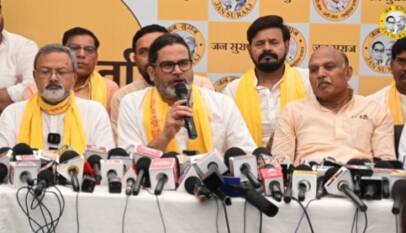
Prashant Kishor to Contest Bankipur Bypoll, Jan Suraaj Eyes Breakthrough in BJP Stronghold
Patna, July 2026 : Election strategist-turned-politician Prashant Kishor will contest the upcoming by-election from …