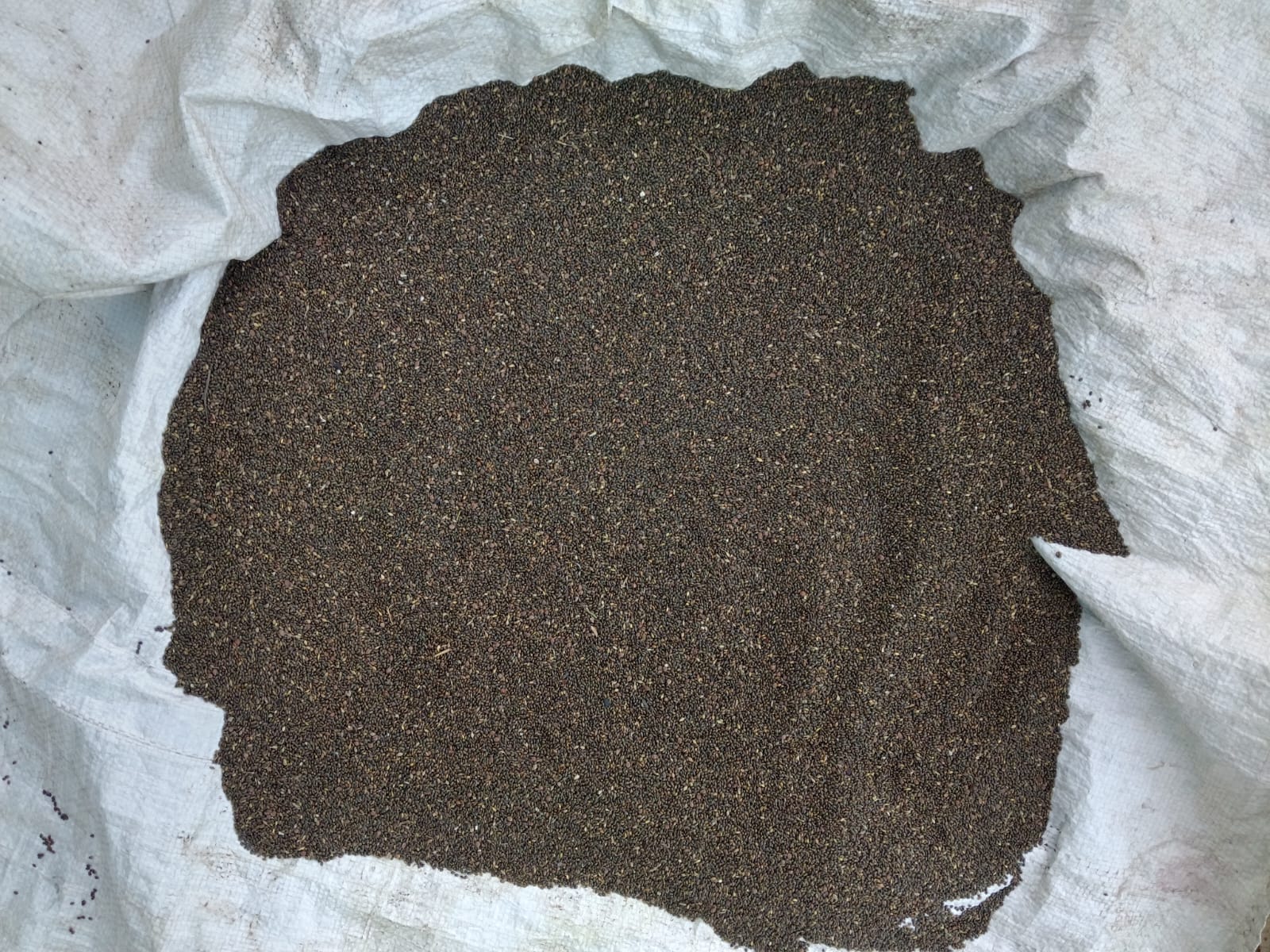
Sitahi Kutki, Nagdaman Kutki and Purple Pigeon Pea to Gain Recognition

Three crops from Madhya Pradesh—Sitahi Kutki, Nagdaman Kutki and Purple Pigeon Pea (Baingani Arhar) are set to receive Geographical Indication (GI) tags soon. Proposals for all three crops have been prepared and sent to the Geographical Indications Registry in Chennai for examination.
During Krishak Kalyan Varsh 2026, the state government is working on a strategy to boost the production of Shree Anna (millets). Under the leadership of Chief Minister Dr. Mohan Yadav, farmers in tribal-dominated regions are being encouraged to preserve and cultivate traditional crops such as Kodo and Kutki. Due to their medicinal properties and high nutritional value, millets are gaining renewed global attention, and their demand in the international market is increasing. As a result, these crops are becoming economically beneficial for farmers.
Following the directions of Chief Minister Dr. Yadav, Kodo-Kutki is being procured at ₹1,000 per quintal under the Rani Durgavati Shree Anna Promotion Scheme. More than 22,000 farmers have registered for the procurement of Kodo-Kutki, covering an area of 21,000 hectares. For the first time, procurement is being carried out in 16 districts, including Jabalpur, Katni, Mandla, Dindori, Chhindwara, Shahdol, Anuppur, Umaria, Rewa, Mauganj, Satna, Maihar, Balaghat, Seoni, Sidhi and Singrauli.
Sitahi Kutki
Sitahi Kutki is a short-duration (about 60 days) indigenous variety of Little Millet. It is suitable for rain-fed areas and late sowing conditions. The crop is tolerant to drought, low moisture, and major pests such as shoot fly, as well as diseases like grain smut and brown spot, ensuring stable yields for farmers. Due to its medium height and strong stems, the crop does not lodge easily and can be cultivated even in hilly, uneven and low-fertility soils. It offers good income opportunities for farmers belonging to the Baiga and Gond tribes in Dindori district. In Dindori, the cultivation of Sitahi Kutki has expanded to 10,395 hectares, with a stable yield of 10–11 quintals per hectare, contributing significantly to livelihood security, food security, and nutritional security in the region. Nearly 60,000 tribal farmers, especially from Dindori, Mandla, Anuppur, Chhindwara, Shahdol, Umaria, Balaghat, and parts of Jabalpur, can benefit economically by increasing production. Farmers from 54 villages in the hilly and remote areas of Dindori have already gained profits from its cultivation, particularly in areas where other rabi crops are not grown.
The Jawaharlal Nehru Agricultural University, Jabalpur, has prepared documentation for obtaining the GI tag for Sitahi Kutki. This will establish a national-level brand identity for the crop, open new market opportunities, and provide greater economic benefits to millet-growing tribal farmers.
Nagdaman Kutki is a unique local variety of Kutki cultivated in Dindori district. It is known for its medicinal properties and high nutritional value.
Baingani Arhar is a special variety of pigeon pea characterised by a purple tinge on the plant or pods. It is rich in protein and has strong disease resistance. With proper care, it can yield 15–20 quintals per hectare.
Benefits of GI Tag
These crops are recognised for their medicinal qualities and high nutritional value. The GI tag will guarantee their authenticity and quality, enhance their demand in international markets, and provide global 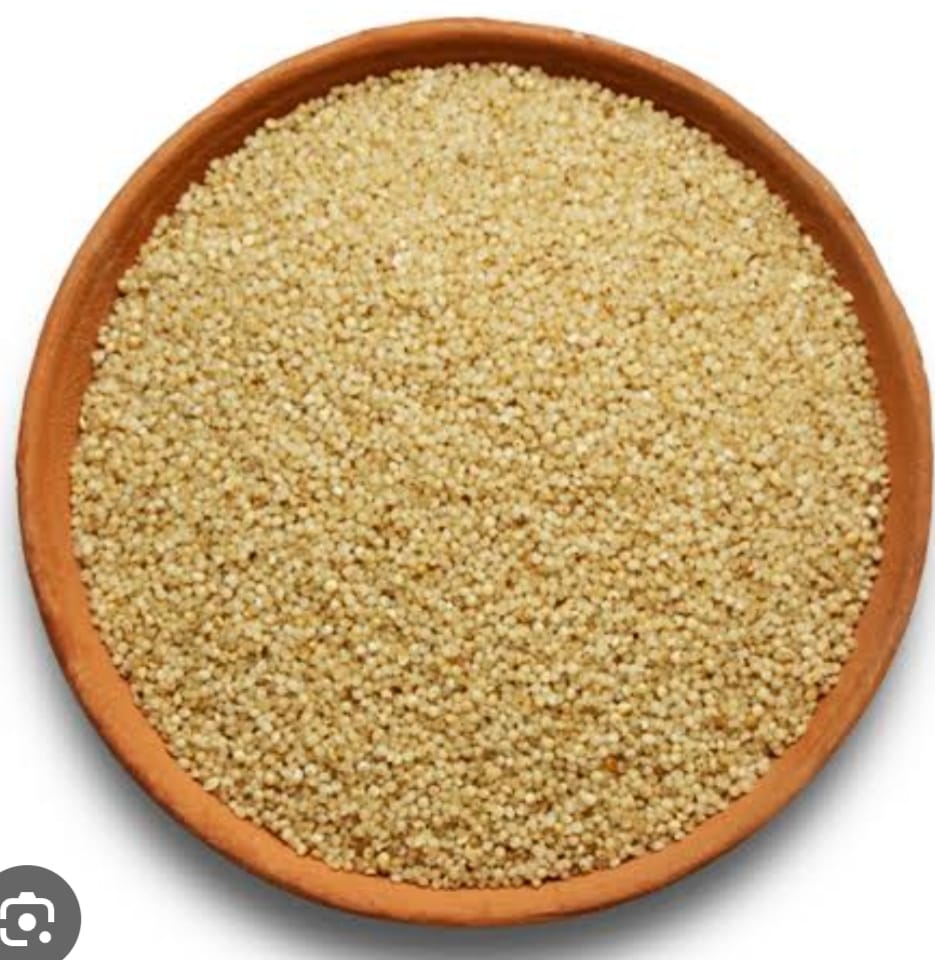 recognition. It will also increase sales and certify that the crops meet established standards.
Production in Tribal Regions
Farmers in tribal districts are being encouraged to preserve and expand the cultivation of different varieties of Kodo-Kutki. Farmers from districts such as Sidhi, Jabalpur, Dindori, Mandla, and Chhindwara have been actively involved in this initiative.
In Sheopur district, which has a large Sahariya tribal population, millet-based dishes are being used to address malnutrition among tribal children. Anganwadi workers and staff of the Integrated Child Development Services (ICDS) have been trained in preparing millet-based foods and informed about their nutritional benefits. Currently, Kodo-Kutki is being cultivated on about 130 acres in the district, involving nearly 200 farmers. As a result of this initiative, the nutritional levels of around 2,000 children have improved, leading to better health outcomes.
Women farmers in the Samanapur block of Dindori district have also been connected with Kodo-Kutki cultivation. Each woman farmer cultivates an average of 2.5 acres, and about 1,250 women farmers from 32 villages are engaged in this farming activity. Over the past two years, production of Kodo-Kutki in the region has increased significantly.







FIFA Chief Infantino Hails Messi’s ‘Timeless Brilliance’ After Record-Equalling World Cup Feat
New Delhi, June 2026 : FIFA President Gianni Infantino has showered praise on Lionel Messi…

FIFA Chief Infantino Hails Messi’s ‘Timeless Brilliance’ After Record-Equalling World Cup Feat
New Delhi, June 2026 : FIFA President Gianni Infantino has showered praise on Lionel …