US Brokers Historic Israel–Lebanon Talks After Decades of Hostility

Washington, April 2026 : In a significant diplomatic breakthrough, the United States convened a rare high-level meeting between Israel and Lebanon, marking the first such direct engagement in more than three decades and opening the door for formal negotiations between the two long-time adversaries.
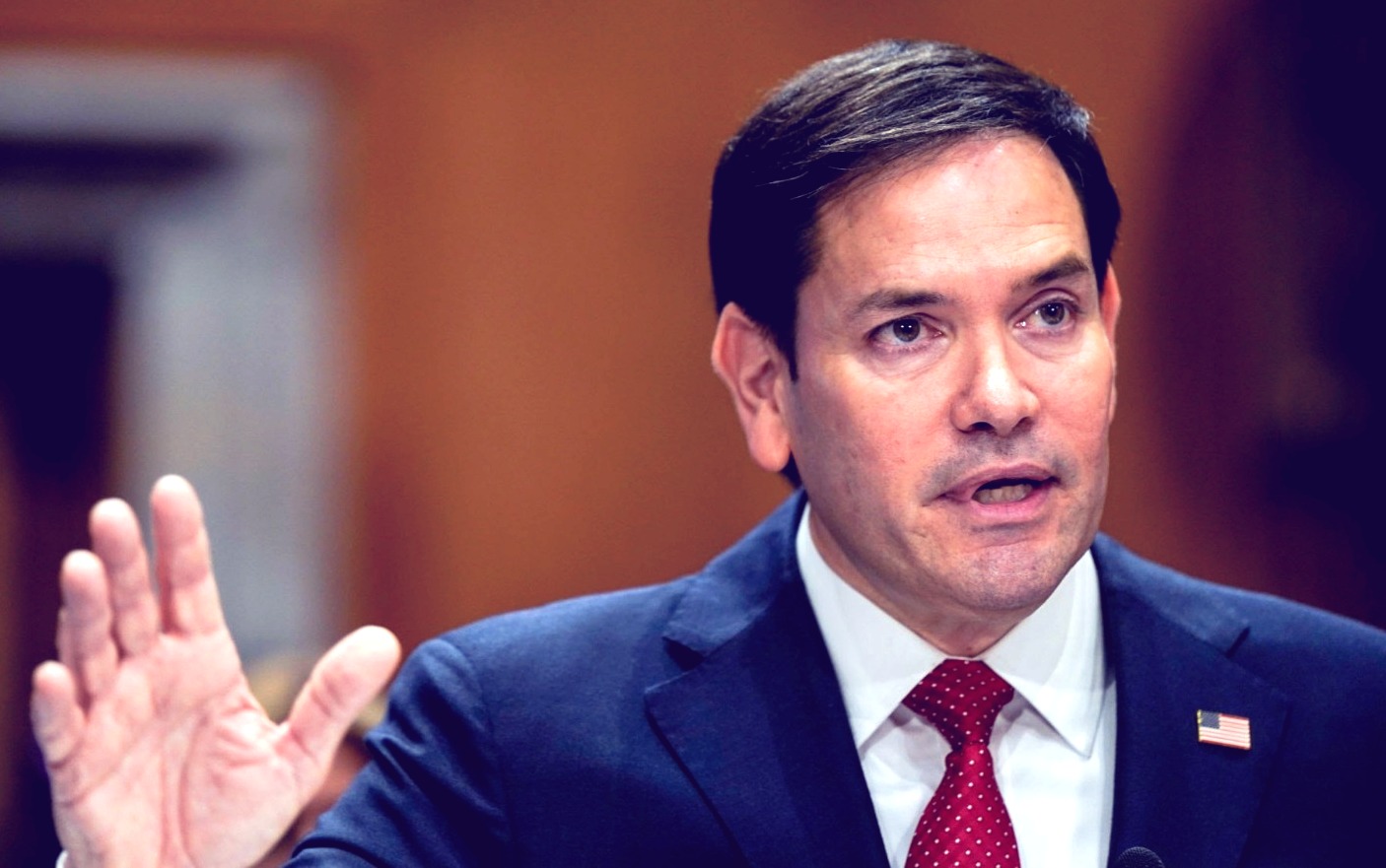
The talks, hosted at the State Department by US Secretary of State Marco Rubio, were described as a “historic opportunity” to move beyond temporary ceasefires and lay the groundwork for a lasting peace. Rubio emphasised that the initiative aims not just to halt hostilities but to address deeper regional challenges, including the influence of Hezbollah.
“This is about bringing a permanent end to decades of Hizballah’s influence in this region,” Rubio said, adding that the Lebanese population has long suffered as a result of both Hezbollah’s activities and what he termed Iranian interference. He cautioned, however, that the process would take time. “This is a process, not an event,” he noted, underlining that sustained engagement would be required to achieve meaningful outcomes.
According to an official statement, the meeting brought together senior US officials along with the ambassadors of Israel and Lebanon. It marked the first major direct interaction between the two governments since 1993. The discussions were described as “productive,” with all parties agreeing to initiate structured negotiations at a mutually agreed time and venue.
The United States reiterated its support for Lebanon’s efforts to assert full control over its territory, including restoring what it called the state’s “monopoly of force” and curbing external influence, particularly from Iran. At the same time, Washington reaffirmed Israel’s right to defend itself against continued attacks from Hezbollah.
US officials also stressed that any ceasefire or broader agreement must be reached directly between Israel and Lebanon, rejecting the idea of parallel or indirect negotiation channels. This approach signals a shift toward encouraging direct accountability and dialogue between the two sides.
Israel, for its part, expressed strong support for dismantling all non-state armed groups operating within Lebanon and eliminating what it described as “terror infrastructure.” It reiterated its willingness to engage in direct negotiations aimed at securing a durable and lasting peace arrangement.
Lebanon, meanwhile, highlighted the importance of fully implementing the November 2024 ceasefire agreement and emphasised the need to uphold its territorial integrity and sovereignty. Lebanese representatives also called for urgent steps to address the country’s ongoing humanitarian and economic challenges, which have been exacerbated by continued instability along its southern border.
Media reports indicated that the meeting lasted over two hours and took the form of a working group discussion focused on reducing cross-border tensions and exploring pathways to a ceasefire. However, the fragile security situation remains a concern, as clashes in southern Lebanon continue to pose risks to any diplomatic progress.
The renewed engagement comes against the backdrop of a broader and highly volatile regional context, including tensions involving Iran and its allied groups. Observers note that any breakthrough between Israel and Lebanon could have wider implications for stability in the Middle East.
Rubio expressed cautious optimism, stating that the talks could help build “a framework for a permanent and lasting peace,” allowing Israeli citizens to live without fear and offering the Lebanese people a more stable and prosperous future.
Israel and Lebanon have a long and complex history of conflict, shaped by unresolved border disputes and the presence of Hezbollah. Direct negotiations between the two nations have been rare and often short-lived, making this latest initiative a notable step toward potentially reshaping regional dynamics.
(The content of this article is sourced from a news agency and has not been edited by the Mavericknews30 team.)







Israel Rejects Gaza Disarmament Plan, Says IDF Will Stay Until Hamas Fully Disarmed
Jerusalem, July 2026 : Israel has reiterated its strong opposition to the US-backed plan f…

Israel Rejects Gaza Disarmament Plan, Says IDF Will Stay Until Hamas Fully Disarmed
Jerusalem, July 2026 : Israel has reiterated its strong opposition to the US-backed plan …