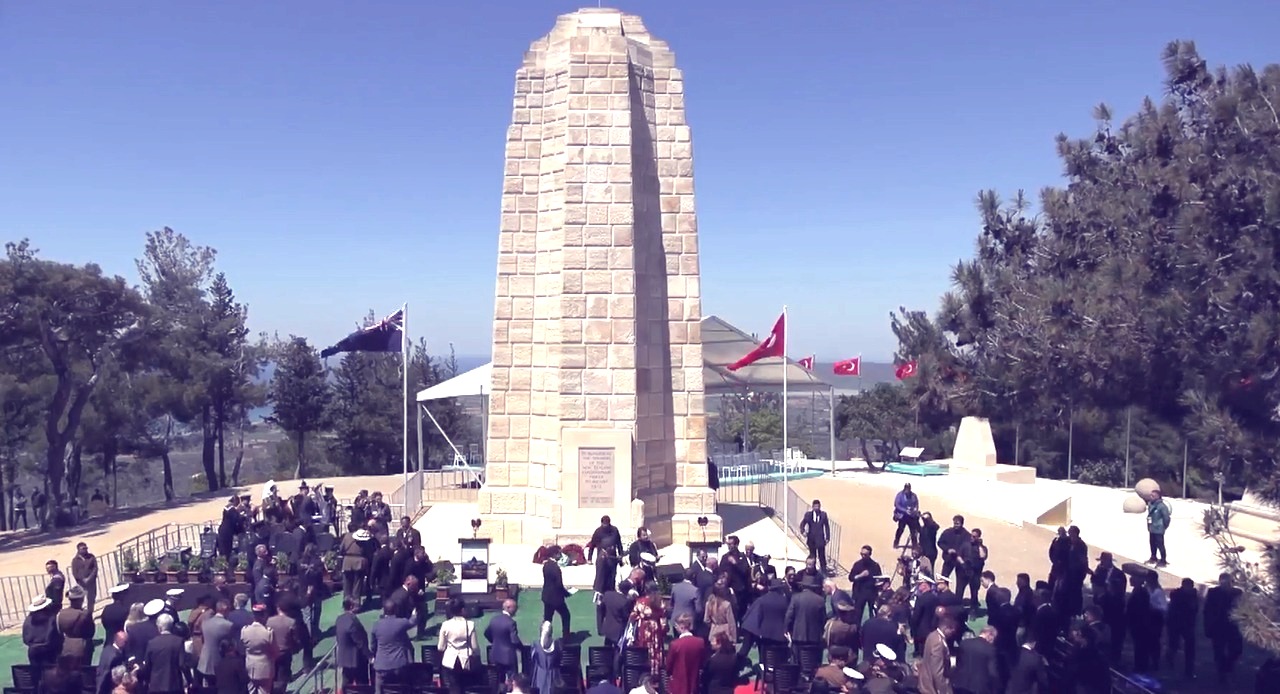
110th ANZAC Day Commemorated Along Australia & New Zealand.

Canberra/Wellington; April 2026: The 110th Anzac Day is been commemorated today marking one of Australia’s most important national occasions. It marks the anniversary of the first major military action fought by Australian and New Zealand forces during the First World War.
ANZAC stands for Australian and New Zealand Army Corps. The soldiers in those forces quickly became known as Anzacs, and the pride they took in that name endures to this day.
When war broke out in 1914, Australia was then a federated nation for only 13 years, and its government was eager to establish a reputation among the nations of the world. When Britain declared war in August 1914, Australia was automatically placed on the side of the Commonwealth. In 1915 Australian and New Zealand soldiers formed part of the expedition that set out to capture the Gallipoli peninsula in order to open the Dardanelles to the allied navies. The ultimate objective was to capture Constantinople (now Istanbul), the capital of the Ottoman Empire, an ally of Germany.
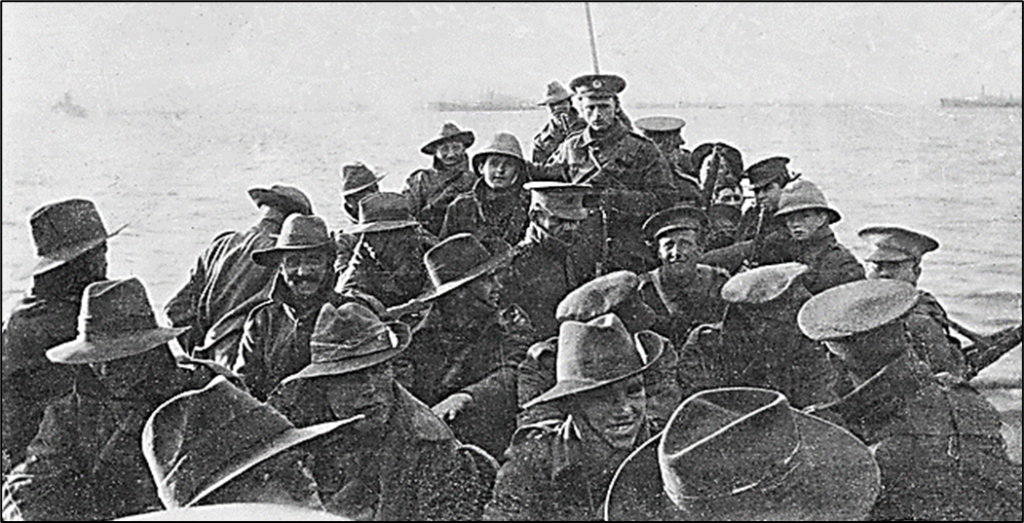
The Australian and New Zealand forces landed on Gallipoli on 25th April 1915, meeting fierce resistance from the Ottoman Turkish defenders. What had been planned as a bold stroke to knock Turkey out of the war quickly became a stalemate, and the campaign dragged on for eight months. At the end of 1915 the allied forces were evacuated from the peninsula, with both sides having suffered heavy casualties and endured great hardships.
87,000 Ottoman Turks, 44,000 men from France and the British Empire, including 8500 Australian soldiers had died in the campaign. Among the dead were 2779 New Zealanders, about one in six of those who served on Gallipoli. Gallipoli had a profound impact, and 25th April soon became the day on which Australians remembered the sacrifice of those who died in the war.
Although the Gallipoli campaign failed in its military objectives, the actions of Australian and New Zealand forces during the campaign left a powerful legacy. What became known as the “Anzac legend” became an important part of the identity of both nations, shaping the ways in which they viewed both their past and their future.
EARLY COMMEMORATIONS –
In 1916, the first Anzac Day commemorations were held on 25 April. The day was marked by a wide variety of ceremonies and services across Australia, a march through London, and a sports day in the Australian camp in Egypt. In London more than 2,000 Australian and New Zealand troops marched through the streets of Whitehall London to Westminster Abbey; a London newspaper headline dubbed them “the knights of Gallipoli”. Marches were held all over Australia; in the Sydney march convoys of cars carried soldiers wounded on Gallipoli and their nurses. For the remaining years of the war Anzac Day was used as an occasion for patriotic rallies and recruiting campaigns, and parades of serving members of the AIF were held in most cities.
During the 1920s Anzac Day became established as a national day of commemoration for the more than 60,000 Australians who had died during the war. In 1927, for the first time, every state observed some form of public holiday on Anzac Day. By the mid-1930s all the rituals we now associate with the day – dawn vigils, marches, memorial services, reunions, two-up games – were firmly established as part of Anzac Day culture.
Later, Anzac Day also served to commemorate the lives of Australians who died in the Second World War, and in subsequent years the meaning of the day has been further broadened to include those who lost their lives in all the military and peacekeeping operations in which Australia has been involved.
Anzac Day was first commemorated at the Memorial in 1942. At the time, government orders prohibited large public gatherings in case of a Japanese air attack, so it was a small occasion with neither a march nor a memorial service. Since then, Anzac Day has been commemorated at the Memorial every year.
Australians recognise 25 April as a day of national remembrance, which takes two forms. Commemorative services are held across the nation at dawn – the time of the original landing, while later in the day, former servicemen and servicewomen meet to take part in marches through the country’s major cities and in many smaller centres. Commemorative ceremonies are more formal, and are held at war memorials around the country. In these ways, Anzac Day is a time at which Australians reflect on the many different meanings of war.
Team Maverick.







Alvarez, Lautaro Fire Argentina Past 10-Man Switzerland in Extra Time, Set Up Blockbuster World Cup Semi-final Against England
Score: Argentina 3 (Alexis Mac Allister 10′, Julian Alvarez 112′, Lautaro Mart…

Alvarez, Lautaro Fire Argentina Past 10-Man Switzerland in Extra Time, Set Up Blockbuster World Cup Semi-final Against England
Score: Argentina 3 (Alexis Mac Allister 10′, Julian Alvarez 112′, Lautaro Martinez 120+1′) beat …