TMS 2.0 System Accelerates Healthcare Delivery; Boosts Transparency and Treatment Numbers

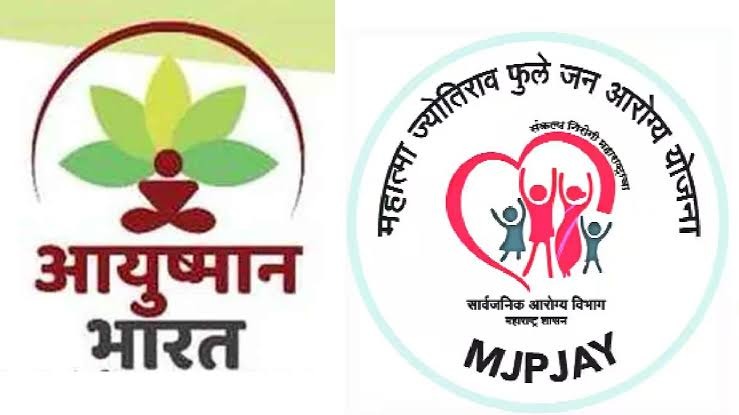
Mumbai, May 2026 : The implementation of the advanced TMS 2.0 system has significantly improved the efficiency, transparency, and reach of healthcare services under the integrated Ayushman Bharat–Pradhan Mantri Jan Arogya Yojana and Mahatma Jyotirao Phule Jan Arogya Yojana in Maharashtra. Operational since February 24, 2026, the system, developed by the National Health Authority, incorporates biometric patient verification, AI-based fraud detection, and a fully digital workflow.
Since its rollout, the number of treatments has risen sharply from 1,356 to 2,399, reflecting enhanced service delivery and streamlined processes.
Under the TMS 2.0 system, it is mandatory for beneficiaries to complete e-KYC and possess an Ayushman card before patient registration at empanelled hospitals. If the card is already generated, patients can be admitted and treatment can begin without delay. However, in the absence of an Ayushman card, patients must first complete the e-KYC process, which may take time due to documentation requirements.
Essential documents for e-KYC include an updated ration card, Aadhaar number, or, in the absence of a ration card, a family certificate issued by the Tehsildar. Delays may occur due to discrepancies between Aadhaar and ration card details or if Aadhaar is not linked to the ration card. Only after successful e-KYC approval can patient registration be initiated on the TMS 2.0 platform.
To avoid delays in critical treatment, citizens across Maharashtra are urged to generate their Ayushman cards in advance. The process is simple and can be completed through the Ayushman mobile app, the official website, or with assistance from ASHA workers, ration shop operators, or government service centres.
Importantly, hospitals have been instructed not to deny treatment to patients lacking an Ayushman card or completed e-KYC at the time of admission. Patients can be admitted and treated, with hospitals given up to three days to complete the registration and e-KYC process. Strict directives have been issued to ensure that no patient is refused treatment or charged during this period.
Support systems are in place to assist patients, including hospital-appointed health facilitators (Aarogyamitras), district coordinators, and regional managers. Contact details are displayed at hospital help desks, and additional assistance can be sought via helplines or email.
The Public Health Department stated that TMS 2.0 is playing a crucial role in making healthcare schemes more accessible, transparent, and effective across the state.




ISRO Successfully Tests Indigenous Ship-Borne Tracking System for Gaganyaan Mission
New Delhi, July 2026 : The Indian Space Research Organisation (ISRO) has successfully vali…
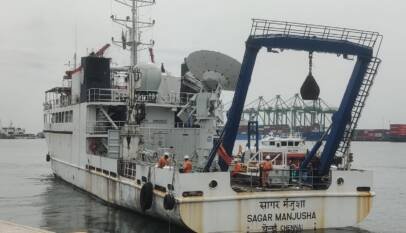
ISRO Successfully Tests Indigenous Ship-Borne Tracking System for Gaganyaan Mission
New Delhi, July 2026 : The Indian Space Research Organisation (ISRO) has successfully validated …