IRGC Warns of “Crushing Response” After US Strikes Near Strait of Hormuz

Tehran, May 2026 : Iran’s Islamic Revolutionary Guard Corps (IRGC) on Tuesday issued a strong warning to the United States following American military strikes on Iranian missile launch sites and mine-laying boats near the strategically vital Strait of Hormuz, raising fresh concerns over escalating tensions in the Gulf region.
The IRGC Navy claimed it continues to maintain firm control over maritime activity in the Strait of Hormuz and warned that any further aggression would trigger a “strong and crushing response.”
In a statement carried by the IRGC’s official outlet, Sepah News, the force said that 25 vessels, including oil tankers, container ships and commercial cargo carriers, had safely passed through the Strait of Hormuz over the past 24 hours under Iranian coordination and security protection.
According to the statement, all vessels received authorisation before transiting the waterway, which remains one of the world’s most critical energy shipping routes.
“The IRGC Navy is firmly carrying out intelligent control over the Strait of Hormuz,” the statement said, while cautioning against what it described as hostile actions by foreign powers in the region.
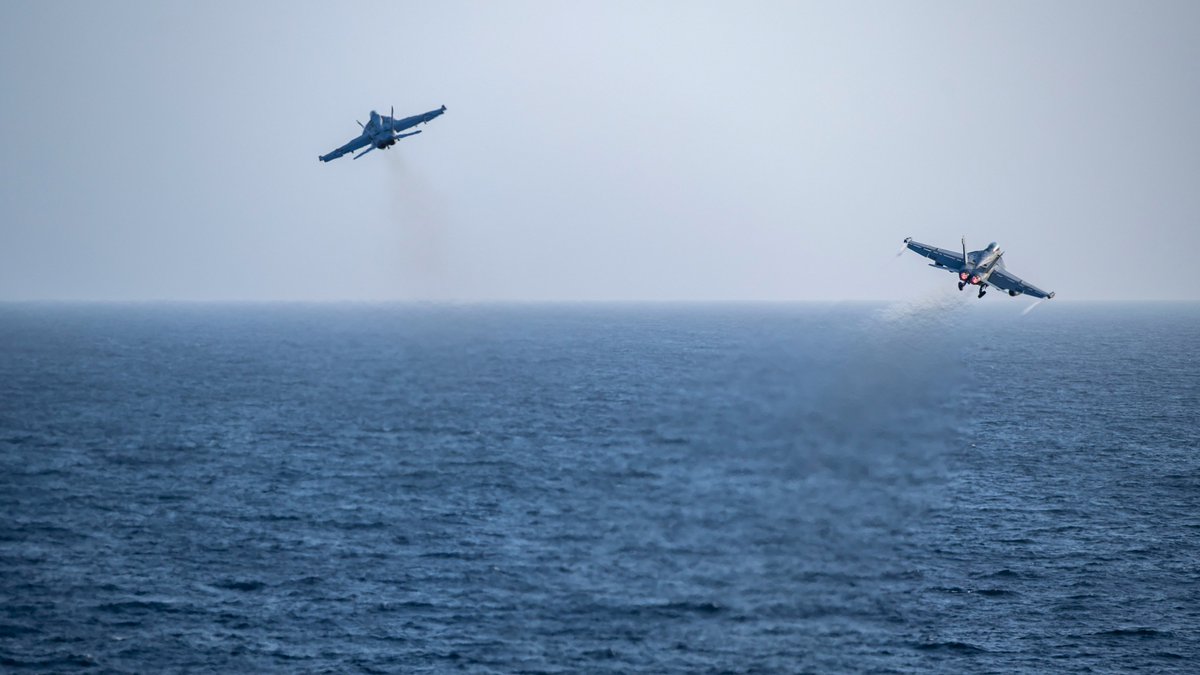
The warning came shortly after the United States military confirmed carrying out strikes on missile launch facilities and Iranian boats in southern Iran on Monday.
US Central Command (CENTCOM) said the strikes were conducted as defensive measures to protect American troops and military assets in the region.
“US forces conducted self-defence strikes in southern Iran today to protect our troops from threats posed by Iranian forces,” CENTCOM spokesperson Tim Hawkins said in an official statement.
He added that the targets included missile launch sites as well as Iranian boats allegedly attempting to deploy naval mines in nearby waters.
“US Central Command continues to defend our forces while using restraint during the ongoing ceasefire,” Hawkins stated.
The latest military exchange has intensified uncertainty surrounding the fragile ceasefire that came into effect on April 8. Diplomatic efforts between Washington and Tehran to negotiate an end to the ongoing conflict have faced repeated setbacks amid continuing military confrontations and maritime restrictions.
The prolonged tensions have also rattled global energy markets due to fears of disruptions in crude oil shipments through the Strait of Hormuz, a key passage for international oil trade.
Iran has continued to maintain strict oversight over shipping activities in the Gulf despite an American naval blockade targeting Iranian ports.
Last week, CENTCOM claimed that US naval operations had redirected nearly 100 vessels and disabled four ships as part of enforcement measures linked to the blockade.
Iran tightened its control over the strait beginning February 28, when it restricted the movement of vessels linked to the United States and Israel following joint military strikes on Iranian territory.
The United States has simultaneously enforced naval restrictions preventing ships traveling to and from Iranian ports from freely crossing the waterway, further escalating maritime tensions in the region.
With both sides exchanging warnings and military actions, concerns are growing internationally over the possibility of wider instability in one of the world’s most strategically important shipping corridors.
(The content of this article is sourced from a news agency and has not been edited by the Mavericknews30 team.)






Netanyahu Meets Trump at White House for Eighth Bilateral Talks Amid Regional Tensions
Jerusalem/Washington, July 2026 : Israeli Prime Minister Benjamin Netanyahu arrived at the…

Netanyahu Meets Trump at White House for Eighth Bilateral Talks Amid Regional Tensions
Jerusalem/Washington, July 2026 : Israeli Prime Minister Benjamin Netanyahu arrived at the White House …