Singapore launches National ‘Familial Hypercholesterolaemia’ Genetic Testing Programme.

The Ministry of Health (MOH) will launch the national Familial Hypercholesterolaemia (FH) genetic testing programme on 30 June 2025, as part of its broader strategy to enhance preventive care in Singapore. This initiative aims to identify individuals with FH early and reduce the risk of premature heart disease for these individuals with timely interventions. Genetic tests for FH at the Genomic Assessment Centres (GAC) will be subsidised for eligible Singapore Citizens and Permanent Residents.
Familial Hypercholesterolaemia and Cascade Screening:
FH is a disorder that is passed down through families. It causes LDL (bad) cholesterol level to be very high level, a condition that affects the body’s ability to process cholesterol. The condition begins at birth and can cause heart attacks at an early age. It is caused by a gene variant on chromosome 19.
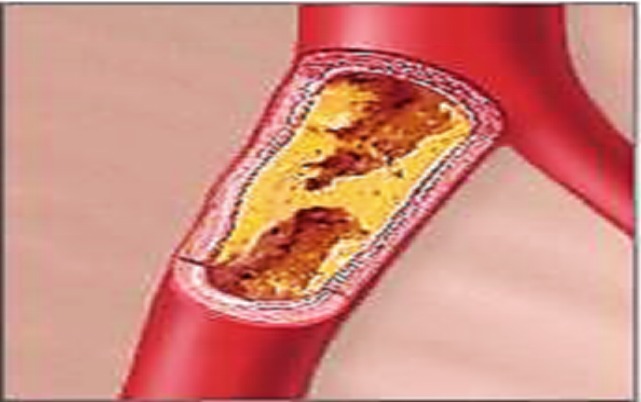
The defect makes the body unable to remove low density lipoprotein (LDL, or bad) cholesterol from the blood. This results in a high level of LDL in the blood. This makes you more likely to have narrowing of the arteries from atherosclerosis at an early age. The condition is typically passed down through families in an autosomal dominant manner. That implies that one only need to get the abnormal gene from one’s parent in order to inherit the disease.
In the early years there may be no symptoms. But due to ageing, symptoms that may occur include:
- Fatty skin deposits called xanthomas over parts of the hands, elbows, knees, ankles and around the cornea of the eye;
- Cholesterol deposits in the eyelids (xanthelasmas);
- Chest pain (angina) or other signs of coronary artery disease may be present at a young age;
- Cramping of one or both calves when walking;
- Sores on the toes that do not heal;
- Sudden stroke-like symptoms such as trouble speaking, drooping on one side of the face, weakness of an arm or leg, and loss of balance.
It affects an estimated 20,000 people in Singapore. Individuals with FH face a significantly higher risk of up to 20 times more, of experiencing heart attacks at a younger age compared to the general population.
If an individual tests positive for FH (known as the index patient), their immediate family members (parents, siblings and children) will be at risk, and are encouraged to undergo genetic testing. This process, known as cascade screening, enables early detection of FH within families. In turn, it allows for timelier intervention and treatment, such as advising them to adopt healthier lifestyles and starting them on cholesterol-lowering therapies, if necessary, to reduce their risk of premature heart disease.
Genetic Testing at GACs:
As part of the push to enhance preventive care, MOH is targeting to open three GACs to ensure effective, efficient and sustainable delivery of genetic testing services within each healthcare cluster. Individuals referred to the GACs will undergo:
Pre-test genetic counselling, to understand potential outcomes and benefits before consenting to the test.
- Phlebotomy or Venepuncture and genetic test, arranged by the GAC.
- Post-test genetic counselling, to understand the implications of the results.
The first GAC, which will be conducted at the National Heart Centre, Singapore, will start accepting referrals from 30 June 2025. This GAC will serve all Singapore residents until additional centres open. GACs operated by National Healthcare Group (NHG) and National University Health System (NUHS) will open subsequently to cater to residents’ needs.
Referral Criteria and Charges:
Singapore Citizens and Permanent Residents with abnormally high cholesterol levels (LDL-C levels of more than or equal to 5.5mmol/L or 212 mg/dL) may be referred by their doctors to the GAC for FH genetic testing under the programme.
The costs for FH genetic testing include the genetic tests, pre-test and post-test counselling, and phlebotomy services. At the GACs, eligible Singapore Citizens and Permanent Residents can enjoy means-tested subsidies of up to 70% for these costs. Seniors from the Pioneer Generation and Merdeka Generation are eligible for additional subsidies.
After subsidies, patients who are referred to do FH testing due to abnormally high cholesterol levels (index patients) can expect to pay between $117 to $575. Individuals who are eligible to undergo cascade screening (immediate family members of index patients who have tested positive for FH) can expect to pay between $53 to $253 after subsidies.
Most patients who test positive for FH will require a combination of medication and lifestyle modifications, such as dietary changes and physical activity, to achieve a healthy cholesterol level and prevent premature heart disease. Patients are advised to follow up with a primary care provider at the polyclinics or general practitioner (GP) clinics, or with their family doctor if they are enrolled in Healthier SG for continued management. Subsidies are available for selected chronic medications.
Protection of Genetic Information:
The “MOH-LIA Moratorium on Genetic Testing and Insurance” was introduced by MOH and the Life Insurance Association Singapore (LIA) in October 2021. Under the Moratorium, life insurers in Singapore are not allowed to use predictive genetic test results, in assessing or deciding the outcome of insurance applications, unless certain criteria are satisfied. Insurers are also not allowed to use genetic test results from biomedical research or direct-to-consumer genetic test results.
MOH has worked with LIA to amend the Moratorium to disallow life insurers in Singapore to use the results of all genetic tests (both predictive and diagnostic) conducted under the National FH genetic testing programme. As with standard insurance underwriting practice, they may however request individuals to disclose existing diagnosed conditions (including FH) and family history. No action is required from members of the public or existing policyholders.
The amended Moratorium will take effect from 30 June 2025. MOH will continue to enhance preventive care measures to support better health outcomes for Singaporeans.
Team Maverick







Ukraine Signs Agreement With Sweden For The Procurement Of 16 Gripen Fighter Jets.
Stockholm; July 2026: President of Ukraine Volodymyr Zelenskyy held a meeting with Ministe…

Ukraine Signs Agreement With Sweden For The Procurement Of 16 Gripen Fighter Jets.
Stockholm; July 2026: President of Ukraine Volodymyr Zelenskyy held a meeting with Minister for …