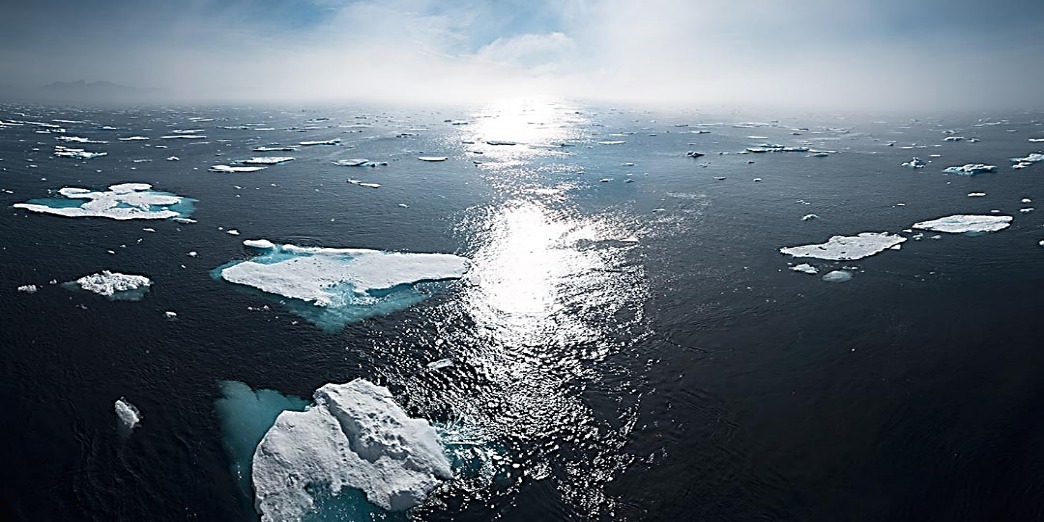
SDG 14 – Conserve and Sustainably Use the Oceans, Seas, and Marine Resources.

The 2025 session of the UN High-level Political Forum (HLPF) 2025, on Sustainable Development (HLPF) in July will conduct in-depth reviews of progress towards five SDGs. SDG 14 (life below water) is one of these Goals. This brief reviews the status of SDG 14 and its interlinkages with other Goals, will convene in New York, US, from 14-23 July. In addition to SDG 14, it will review SDG 3 (good health and well-being), SDG 5 (gender equality), SDG 8 (decent work and economic growth), and SDG 17 (partnerships for the Goals). The HLPF’s 2025 theme is ‘Advancing sustainable, inclusive, science- and evidence-based solutions for the 2030 Agenda for Sustainable Development and its Sustainable Development Goals for leaving no one behind.’
When UN Member States adopted the 2030 Agenda for Sustainable Development and its 17 SDGs in 2015, they committed to conserve and sustainably use the oceans, seas, and marine resources for sustainable development. Four of the SDG 14 targets (targets 14.2, 14.4, 14.5, and 14.6) were to be achieved by 2020, yet further efforts are needed. Target 14.1 on marine pollution is to be achieved 2025. The remaining targets need to be implemented by 2030, with only five years remaining until the deadline.
Some take aways from the SDG 14 its last HLPF review in 2022 –
An SDG 14 background note, prepared by the UN Secretariat ahead of HLPF 2025, flags several milestones that have been achieved in recent years, including:
- The adoption of: the Kunming-Montreal Global Biodiversity Framework (GBF);
- The World Trade Organization (WTO) Agreement on Fisheries Subsidies;
- The Agreement under the UN Convention on the Law of the Sea (UNCLOS) on the Conservation and Sustainable Use of Marine Biological Diversity of Areas Beyond National Jurisdiction (BBNJ Agreement);
- The start of the negotiations towards a new plastic treaty;
- Numerous ocean-related voluntary commitments, announced during or after the Third UN Ocean Conference (UNOC3).
An update to the Food and Agriculture Organization of the UN (FAO) methodology for the State of Stocks Index (SOSI), increasing the number of the world’s stocks in the Index from 500 to 2,600; and
An Expert Group Meeting on SDG 14, convened by the UN Department of Economic and Social Affairs (DESA) in May in preparation for HLPF 2025.
Advancements on SDG 14 such as stronger global instruments and improved fisheries data notwithstanding, implementation gaps remain. According to the UN Secretary-General’s SDG progress report, the ocean continues to face threats from overfishing, pollution, and climate change, which drives ocean acidification and damages marine ecosystems. SDG 14 also remains the least financed of all the Goals.
SDG target 14.b on providing access for small-scale artisanal fishers to marine resources and markets is on track to be achieved by 2030 – the only one out of ten – as more countries report implementing instruments that recognize and protect access rights for small-scale fisheries. In 2024, 126 countries and territories were engaged in marine spatial planning initiatives – a tool for implementing ecosystem-based approaches to managing marine areas (SDG target 14.2), reflecting a 20% increase from 2023. However, only 45 countries’ marine spatial plans are formally approved. While the pace of decline of global fishery stocks (SDG target 14.4) has shown signs of slowing, fisheries continue to deteriorate. In 2019, 35.4% of fish stocks were estimated to be overfished. By 2021, the proportion increased to 37.7%.
Despite efforts to protect global fisheries, illegal, unreported and unregulated (IUU) fishing (SDG target 14.6), continues to threaten their sustainability. As of January 2025, 65% of coastal States had joined the Agreement on Port State Measures to Prevent, Deter and Eliminate Illegal, Unreported and Unregulated Fishing – the first binding international instrument to combat IUU fishing. As of July 2025, 103 members have formally accepted the WTO Agreement on Fisheries Subsidies. The Agreement will enter into force once two-thirds of WTO members do so. While average protection of key biodiversity areas (SDG target 14.5) increased globally from around 25% in 2000 to approximately 44% in 2024 across marine, terrestrial, freshwater, and mountain biomes, progress has largely stagnated since 2015.
In addition, ocean acidification (SDG target 14.3) is worsening and marine pollution (SDG target 14.1) continues to pose a significant threat to the ocean’s health.
According to the UN, leveraging interlinkages between SDG 14 and other Goals is of paramount importance – an imperative also acknowledged in the UNOC3 outcome document, which highlights the importance of interlinkages between the ocean, climate, and biodiversity and calls for enhanced coordination of global efforts. The outcome document of the recently concluded Fourth International Conference on Financing for Development (FfD4) also recognizes the urgency of enhancing ambition for climate action, global responses to biodiversity loss and desertification, and the conservation and sustainable use of the ocean and its resources.
Team Maverick







World-class road connectivity in Uttar Pradesh is our priority: Nitin Gadkari
Equal focus must be given to reducing road accidents along with road construction: Nitin G…

World-class road connectivity in Uttar Pradesh is our priority: Nitin Gadkari
Equal focus must be given to reducing road accidents along with road construction: Nitin …