Negotiations with IAEA unviable condemns Iran.

Relations between Iran and the International Atomic Energy Agency (IAEA) has inevitably turned sour, since the 12 days joint air strike by Israel and the United States in June, had ripped key Iranian nuclear facilities. Justifying the attack, IAEA has stated on 12th. June 12, that Iran has breached its non-proliferation obligations, a day before Israel’s airstrikes over Iran that sparked the war.
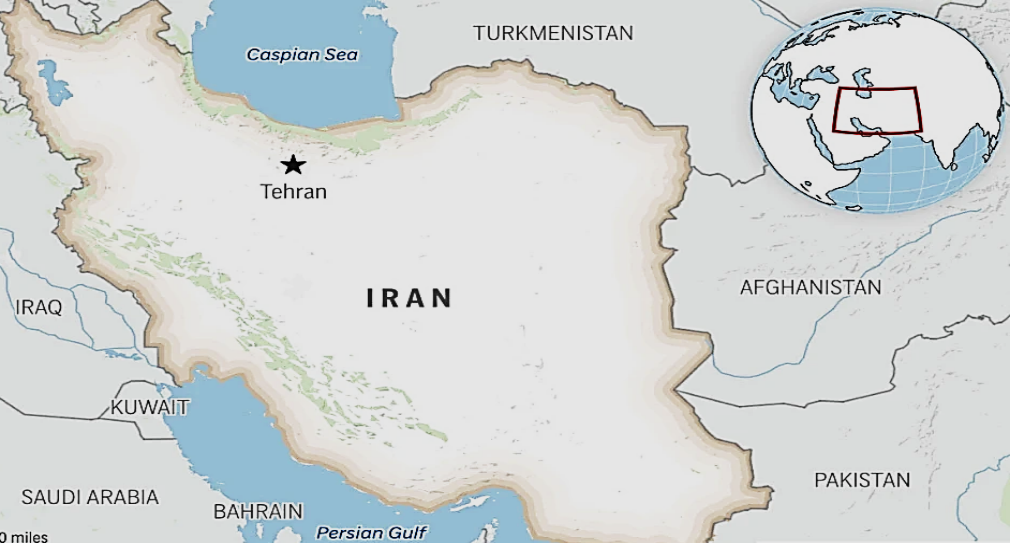
Any negotiation between Iran and the IAEA will be “technical” and “complicated”, the Islamic Republic’s Foreign Ministry said on Monday ahead of a visit by the nuclear watchdog for the first time since Tehran cut ties with the organisation last month. Later on, Deputy Foreign Minister Kazem Gharibabadi told media that Massimo Aparo, the IAEA’s deputy director general and head of safeguards, had left Iran. Aparo met with an Iranian delegation, which included officials from the foreign ministry and the atomic energy organisation, to discuss “the method of interaction between the agency and Iran”.
Gharibabadi said they decided to continue consultations in the future, without providing further details.
Esmail Baghaei, the Iranian Foreign Ministry spokesperson, told reporters there could be a meeting with Foreign Minister Abbas Aragchi, “but it is a bit soon to predict what the talks will result since these are technical talks, complicated talks”. Baghaei had also criticised the IAEA’s “unique situation” during the June war with Israel. “Peaceful facilities of a country that was under 24-hour monitoring were the target of strikes and the agency refrained from showing a wise and rational reaction and did not condemn it as it was required”, he said.
Aragchi had previously said that cooperation with the agency, which will now require approval by Iran’s highest security body, the Supreme National Security Council, would be about redefining how both sides cooperate. The decision will likely further limit inspectors’ ability to track Tehran’s program that had been enriching uranium to near weapons-grade levels.
Iranian President Masoud Pezeshkian on 03rd. July had ordered the country to suspend its cooperation with the IAEA, after the U.S. bombed three major Iranian nuclear sites as Israel waged an air war with Iran, killing nearly 1,100 people, including many military commanders. Retaliatory Iranian strikes killed 28 in Israel. Iran has had limited IAEA inspections in the past as a pressure tactic in negotiating with the West, and it is unclear how soon talks between Tehran and Washington for a deal over its nuclear program will resume. U.S. intelligence agencies and the IAEA had assessed Iran last had an organised nuclear weapons program in 2003, though Tehran had been enriching uranium up to 60% — a short, technical step away from weapons-grade levels of 90%.
Earlier, on 25th. July, Britain, France and Germany (the E3 nations) had warned that sanctions could return under a process known as the “snapback mechanism”, which allows one of the Western parties to reimpose U.N. sanctions if Tehran doesn’t comply with its requirements. “Both sides came to the meeting with specific ideas”, Gharibabadi said in a social media post. “It was agreed that consultations on this matter will continue”. As the talks were ongoing, Iran’s Foreign Ministry spokesman, Esmail Baghaei, said that he hoped that the meeting would see the E3 nations reassess their “previous unconstructive attitude”.
European leaders have said sanctions will resume by the end of August, if there is no progress on containing Iran’s nuclear program. The snapback mechanism “remains on the table”, a European diplomat said on condition of anonymity because of the sensitivity of the talks. “A possible delay in triggering snapback has been floated to the Iranians on the condition that there is credible diplomatic engagement by Iran, that they resume full cooperation with the IAEA, and that they address concerns about their highly-enriched uranium stockpile”, the diplomat said prior to Friday’s negotiations.
Gharibabadi previously said that Iran’s engagement was dependent on “several key principles” that included “rebuilding Iran’s trust — as Iran has absolutely no trust in the United States”. In a social media post on Thursday, he also said that the talks shouldn’t be used “as a platform for hidden agendas such as military action”. Gharibabadi insisted that Iran’s right to enrich uranium “in line with its legitimate needs” be respected, and sanctions removed. Iran has repeatedly threatened to leave the Nuclear Nonproliferation Treaty, which commits it to refrain from developing nuclear weapons, if sanctions return.
Team Maverick



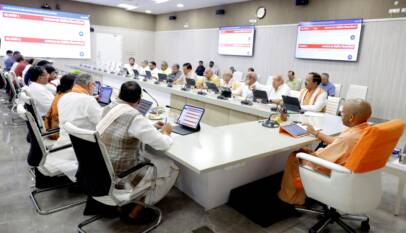


Vijay Backs Anti-NEET Protests, Condemns Detention of Opposition Leaders and Calls for Education Reforms
Chennai, July 2026 : Tamil Nadu Chief Minister and Tamilaga Vettri Kazhagam (TVK) presiden…
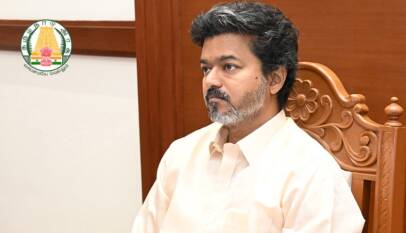
Vijay Backs Anti-NEET Protests, Condemns Detention of Opposition Leaders and Calls for Education Reforms
Chennai, July 2026 : Tamil Nadu Chief Minister and Tamilaga Vettri Kazhagam (TVK) president …