IMF reiterates Angola has demonstrated a vibrant economic performance.

Sept 2025 : International Monetary Fund’s Executive Board Concludes 2025 Post-Financing Assessment with Angola, and have found that Angola’s economic performance was strong in 2024, with real GDP growth reaching 4.4%, exceeding expectations. Growth was driven by both robust oil production and revitalized non-oil sector activities. The current account surplus rose to 5.4% of GDP, and gross international reserves increased to $15.8 billion (equivalent to 7.7 months of import cover), largely due to a rebound in oil exports and reduced imports.
Inflation, though still high at 19.5% in July 2025, has decreased from its peak of 31.1% in July 2024 and is projected to continue declining gradually over the medium term. The public debt-to-GDP ratio fell to 60% in 2024, supported by higher nominal GDP growth and sustained fiscal primary surpluses.
However, Angola faced a decline in oil revenues and tightening external financial conditions in the first half of 2025. Fiscal position has deteriorated, reflecting lower oil prices and oil production challenges, with the overall fiscal deficit projected to widen to 2.8% of GDP in 2025 from 1.0% in 2024. Near-term financing pressures remain elevated due to sizable maturing external debt.
Growth is expected to decelerate in the near term, due to external headwinds, but is projected to recover to around 3% over the medium term, supported by ongoing structural reforms and the authorities’ diversification efforts. The authorities acknowledge the need for adjustment and remain committed to prudent debt management implementing risk-mitigation measures to safeguard the trajectory towards macroeconomic stability and sustainable growth.
Angola’s capacity to repay is assessed as adequate but subject to risks, and risks have increased since last year. In an adverse scenario characterized by persistent oil production challenges and rising oil price pressures, repayment indicators would weaken, further elevating risks to repayment capacity.
The Executive Board has assessed, along with the Executive Directors agreeing with the thrust of the staff appraisal. They welcomed Angola’s stronger than expected economic performance in 2024 with strong growth and inflation deceleration, supported by a rebound in the oil sector and revitalized non oil growth. However, Directors noted that vulnerabilities have recently intensified, driven by oil price declines and challenges in domestic oil production. They urged the authorities to pursue prudent macroeconomic policies and sustained reform efforts to address these challenges, and supported continued engagement with the Fund.
The Directors have concurred that Angola’s capacity to repay the Fund remains adequate but subject to risks, as risks, however, have increased from last year due to sizable external debt service, increased volatility in oil prices, and weaker outlook for fiscal and external balances. They emphasized that prompt and credible policy adjustments are needed to mitigate emerging risks, safeguard macroeconomic stability, and strengthen debt sustainability, and they welcomed the authorities’ readiness to adjust policies in this regard. With declining oil revenues, Directors highlighted the need to rationalize expenditures to preserve fiscal space and contain borrowing.
They have emphasised the importance of advancing the fuel subsidy reform, accompanied by measures to protect the most vulnerable and a strong communication strategy. Directors welcomed progress in non oil revenue mobilisation and encouraged intensified efforts in this area consistent with IMF technical assistance. They underscored the need to accelerate Public Financial Management reforms to enhance fiscal transparency, prevent arrears accumulation, and improve spending efficiency.
Directors encouraged continued efforts to smooth debt repayments and manage debt prudently, including by prioritising low cost financing options. They cautioned against excessive reliance on short term, costly financing and emphasised the importance of mobilizing donor financing for development spending.
Directors agreed on the need for the exchange rate to serve as a key shock absorber, with limited rules based foreign exchange interventions, to facilitate fiscal adjustments to oil shocks and preserve external buffers. They have reaffirmed the importance of avoiding premature monetary policy easing to sustain disinflation and anchor inflation expectations, and welcomed the Banco Nacional de Angola (BNA)’s efforts to improve monetary policy effectiveness. They encouraged the BNA to continue close supervision of systemic risks, including the sovereign bank nexus, and to strengthen the financial stability framework to enhance safety nets and support credit intermediation. In that context, Directors looked forward to the completion of the 2025 Financial System Assessment Program. Strengthening the AML/CFT framework and exiting the FATF grey list remain important.
Directors noted the importance of improving the business climate and governance frameworks to achieve more diversified, export oriented and resilient growth. They have urged the implementation & role of horizontal policies, focusing on market friendly measures, as part of the implementation of the National Development Plan and the African Union’s agenda.
Team Maverick




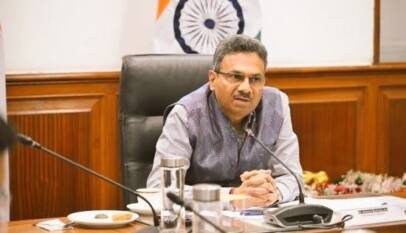
Parliament Paralysed for Second Day as Opposition Protests Over NEET Leak, Student Crackdown
New Delhi, July 2026 : Parliament remained deadlocked for the second consecutive day of th…
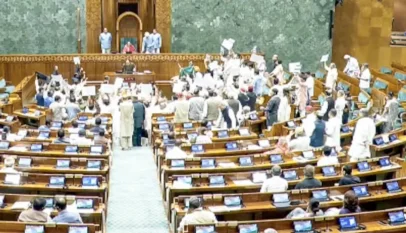
Parliament Paralysed for Second Day as Opposition Protests Over NEET Leak, Student Crackdown
New Delhi, July 2026 : Parliament remained deadlocked for the second consecutive day of …