NATO Launches Annual Nuclear Exercise Amid Rising Drone Concerns.

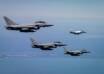
On Friday, 10 October 2025, NATO confirmed that its annual nuclear-deterrence exercise “Steadfast Noon” will begin on Monday, 13 October, hosted by the Netherlands and centered on Volkel Air Base, as reported by NATO Secretary General Mark Rutte. The two-week drill brings together 71 aircraft from 14 Allies, with training areas primarily over the North Sea and activity across bases in Belgium, the United Kingdom, Denmark, and the Netherlands.
NATO underscored that no nuclear weapons will be used; the training is long-planned, recurring each year to maintain safe, secure, and effective nuclear procedures. The announcement comes amid heightened security around European military sites following drone incidents, sharpening the exercise’s emphasis on protecting nuclear assets before any employment. The drill is long planned, recurring annually to maintain safe, secure and effective procedures. This year’s edition comes amid tighter protection measures at European military sites following drone incidents, which shapes the security posture around participating bases and infrastructure.
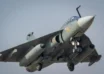
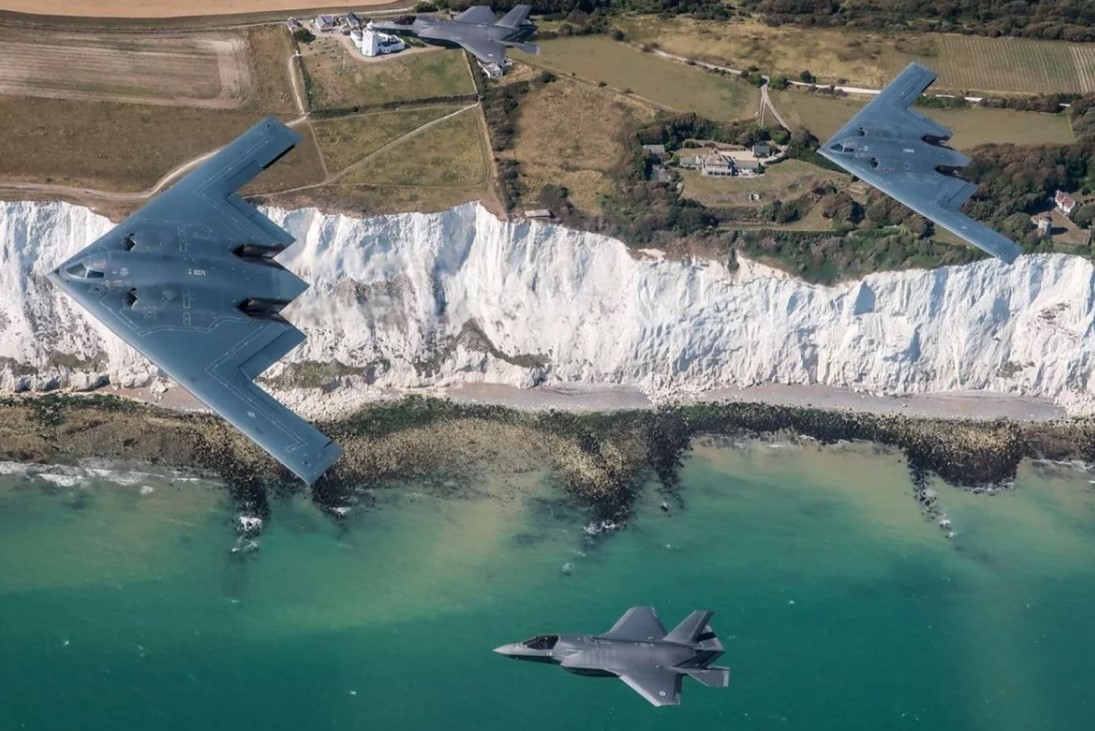
At its core, Steadfast Noon rehearses the integration of dual-capable fighter and bomber operations with the enablers that make such missions possible. Air assets include fighters capable of carrying nuclear warheads alongside refuelling tankers, electronic-warfare suites and ISR platforms. The United States is deploying F-35s and support aircraft, while Finland and Poland contribute fighters. Within NATO’s air-delivered deterrent, the F-35A is now certified to deliver the B61-12 gravity bomb, joining legacy dual-capable fleets such as F-16s and Tornado aircraft, and strategic bombers can participate in associated training to practice interoperability.
Operationally, the exercise is designed to be routine and predictable. It takes place around the same time each year and rotates host nations and air bases to validate technical procedures, certification standards and the command-and-control chains that would govern any potential mission. A notable feature this year is the stronger ground-security thread, focused on protecting weapons storage and key infrastructure against a range of threats, including unmanned systems. NATO underscores that the scenarios are not directed at any specific country and remain strictly under peacetime controls, using only training ordnance.
Strategically, “Steadfast Noon” communicates allied cohesion and readiness while calibrating the message to avoid escalation. It reassures Allies along NATO’s northern and eastern flanks by showing that nuclear-sharing arrangements and strategic forces can mesh with newer members’ air fleets and regional basing networks. The North Sea focus and distributed basing across the Netherlands, Belgium, Denmark and the UK balance reach with restraint by training far from active battlefields yet preserving operational realism. Militarily, the drill tests the full set of enablers, from ground security to EW/ISR and tanker bridges, under dual-key controls consistent with NATO’s stated purpose for nuclear forces: preserving peace, preventing coercion and deterring aggression.
Steadfast Noon couples routine nuclear-readiness training with a visible emphasis on safeguarding weapons, facilities and command chains against contemporary threats. By exercising without live nuclear munitions while validating certified delivery aircraft, allied C2 and base protection measures, NATO sends a sober, unambiguous signal of resolve. The Alliance demonstrates that it retains both the capabilities and the discipline to defend all Allies, keeping the focus on safety, control and deterrence rather than escalation.
Team Maverick








Israel Rejects Gaza Disarmament Plan, Says IDF Will Stay Until Hamas Fully Disarmed
Jerusalem, July 2026 : Israel has reiterated its strong opposition to the US-backed plan f…

Israel Rejects Gaza Disarmament Plan, Says IDF Will Stay Until Hamas Fully Disarmed
Jerusalem, July 2026 : Israel has reiterated its strong opposition to the US-backed plan …