Pakistan–Afghanistan Peace Talks Collapse in Istanbul After Four Days of Negotiations

Islamabad blames Taliban for refusing to act against militants; Kabul accuses Pakistan of insincerity in talks
- Four-day talks in Istanbul fail despite mediation by Qatar and Turkey following earlier ceasefire agreement.
- Pakistan accuses Kabul of harboring militants behind cross-border attacks; Taliban rejects the allegations.
- Tensions escalate as Islamabad warns it will take “all necessary measures” to protect its citizens.
Islamabad / Kabul, Oct 2025: Peace talks between Pakistan and Afghanistan collapsed early Wednesday in Istanbul, ending four days of intense negotiations without agreement. Pakistan’s Information Minister Attaullah Tarar said the dialogue failed because the Taliban-led government in Kabul refused to act against militant groups blamed for a surge in cross-border attacks.
The Istanbul talks followed an earlier round in Doha, where Qatar had brokered a temporary ceasefire on October 19 after deadly clashes along the Pakistan–Afghanistan border left dozens of soldiers, civilians, and militants dead.
Blame Game After Talks Collapse
Announcing the breakdown before dawn, Minister Tarar wrote on social media platform X (formerly Twitter) that the discussions “failed to bring about any workable solution” despite mediation efforts by Qatar and Turkey.
“There was every effort to give peace a chance,” Tarar said. “But the Taliban government has shown indifference to Pakistan’s losses, even though Pakistan has always desired, advocated, and sacrificed for the peace and prosperity of the Afghan people.”
Kabul has not yet officially responded to Tarar’s remarks. However, both Pakistani and Afghan state media acknowledged an impasse in the talks, with each side accusing the other of obstructing progress.
Tarar said Pakistan joined the dialogue “at the request of brotherly countries Qatar and Turkey” in the hope of finding a path to lasting peace. He thanked both nations for their mediation, noting that the discussions were part of a broader diplomatic effort to reduce tensions that have simmered since the Taliban returned to power in 2021.
Pakistan’s Allegations Against Kabul
Pakistan maintains that the Afghan Taliban are providing shelter to militants from the Tehrik-e-Taliban Pakistan (TTP) — a group responsible for hundreds of attacks on Pakistani forces in recent years. Islamabad says many TTP fighters have relocated to Afghanistan since 2021 and continue to use its soil to launch attacks across the border.
Tarar accused Kabul of operating on a “war economy” and of seeking to “drag the Afghan people into a needless conflict.” He warned that Pakistan’s patience “has run its course” and vowed that Islamabad would “continue to take all necessary measures to protect our people from the menace of terrorism.”
Confidential Accounts of the Talks
On Tuesday, three Pakistani security officials familiar with the negotiations told the Associated Press that the talks had reached a deadlock over Kabul’s reluctance to provide assurances that Afghan territory would not be used for attacks against Pakistan.
Speaking on condition of anonymity, the officials said the Taliban delegation “was not fully willing” to accept Pakistan’s proposals and frequently sought instructions from Kabul before responding. They added that Turkey was attempting to break the stalemate so that a final round of discussions could resume.
In contrast, Afghanistan’s state broadcaster RTA accused Pakistan of lacking sincerity, claiming that “Kabul made every effort to hold constructive talks,” but that “the Pakistani side did not share this intention.”
Regional and International Reactions
The breakdown came just days after U.S. President Donald Trump said Washington was ready to “help resolve the crisis between the two neighbors very quickly.” The U.S. has expressed concern that continued instability along the Pakistan–Afghanistan border could strengthen regional militant networks.
The first round of talks in Doha had brought temporary relief after weeks of escalating violence. Despite the failure in Istanbul, both sides have said that the ceasefire remains in place, though tensions are running high.
Experts Warn of Escalation
Islamabad-based security analyst Syed Mohammad Ali said Afghanistan’s approach in Istanbul appeared to be “deliberately slow,” aimed at shifting attention to other bilateral issues while avoiding concrete commitments.
“The Taliban delegation’s reluctance to give a clear, verifiable commitment to act against the TTP and other groups has frustrated Pakistan,” Ali said. “This failure could deepen mistrust and increase the risk of renewed border violence.”
Pakistan has suffered a spike in militant attacks in recent years, most of them attributed to the TTP. Earlier this month, the Pakistani military reportedly targeted TTP hideouts inside Afghanistan, triggering deadly cross-border clashes that prompted Qatar to step in as a mediator.
Border Remains Closed
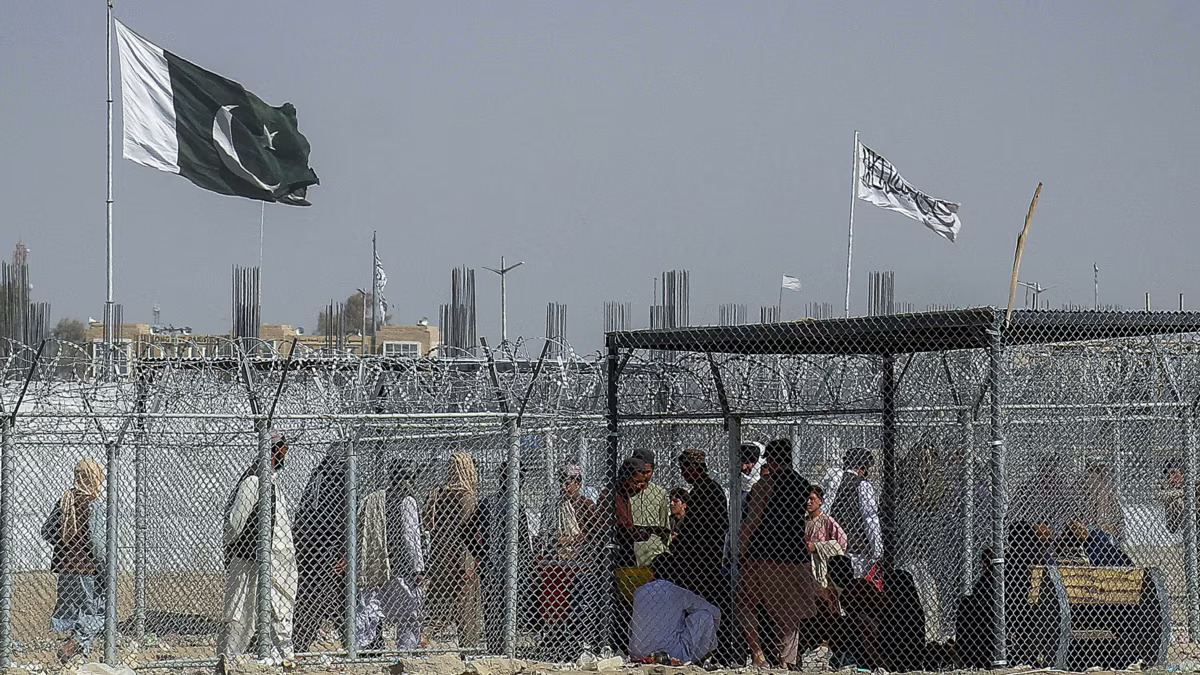
All border crossings between Pakistan and Afghanistan have remained closed for over two weeks, leaving hundreds of trucks carrying goods stranded on both sides. Traders have warned that prolonged closure of key trade routes could further damage fragile economies already strained by inflation and unemployment.
Outlook
Analysts say the failure of the Istanbul talks marks a significant setback to regional peace efforts. With neither side willing to compromise, the possibility of renewed hostilities cannot be ruled out.
For now, Pakistan’s leadership insists it will continue diplomatic outreach but will not hesitate to take “unilateral defensive measures” if attacks persist. Meanwhile, Kabul maintains that Islamabad must stop “blaming others” and focus on its internal security challenges.
The collapse of talks underscores the deep-rooted mistrust between the two neighbors — a mistrust that mediation by friendly countries like Qatar and Turkey may not be able to overcome easily.
As one Pakistani diplomat summed up privately: “Both sides talk of peace, but neither is ready to make the first move.”
Team Maverick.





World Cup Heavyweights England and Argentina Set for Blockbuster Semi-final Showdown
Atlanta, July 2026 : The stage is set for one of the biggest matches of the 2026 FIFA Worl…

World Cup Heavyweights England and Argentina Set for Blockbuster Semi-final Showdown
Atlanta, July 2026 : The stage is set for one of the biggest matches …