US Senate PSI Submits Report On Air India Crash At Ahmedabad.

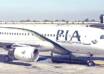
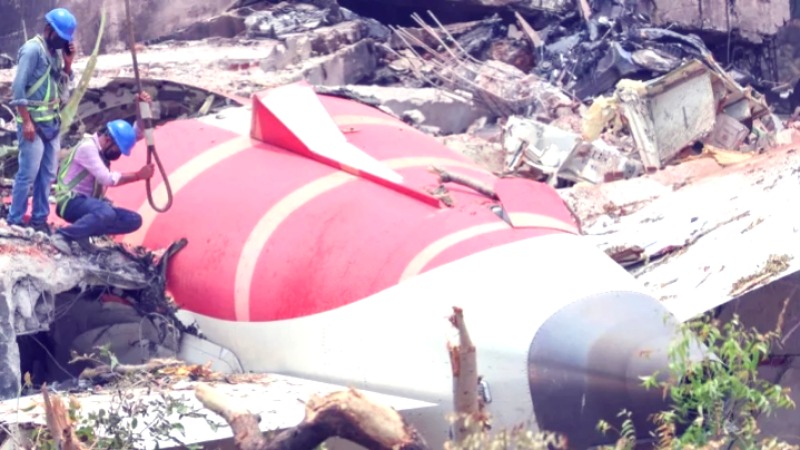
Washington DC; January 2026: The US Senate Permanent Subcommittee On Investigations (PSI) has formally presented its report on the Air India Flight 171, a Boeing 787-8 Dreamliner, crashed on June 12th, 2025 near to Sardar Vallabh Bhai Patel International Airport at Ahmedabad.
The report highlights a series of long-standing electrical and system issues affecting the aircraft throughout its service life. It claims that Boeing and associated parties may have downplayed or failed to disclose critical safety concerns. The PSI submission aims to investigate these claims and assess their implications for airline safety oversight.
The presentation draws from documents provided by the Foundation for Aviation Safety (FAS) and reveals previously unseen maintenance and engineering records. These records show repeated electrical faults, circuit breaker trips, overheating events, and a serious fire in 2022. The report frames these as latent defects, hidden problems that could escalate over time if unaddressed.
The PSI report focuses on VT‑ANB, the Air India Boeing 787‑8 involved in the June 2025 accident. According to the submission, the aircraft had experienced electrical and avionics issues since its entry into service in 2014.
Key problems included repeated circuit breaker trips, short circuits, overheating, and damaged wiring. One serious event in January 2022 involved a fire in the P100 Primary Power Panel, necessitating a full replacement.
The documents suggest these ongoing issues represent latent defects that could compromise flight safety if ignored. The report also notes that similar electrical problems have occurred in other 787 aircraft worldwide. The PSI presentation questions whether Boeing and airlines consistently reported these faults and recommends rigorous fleet inspections and disclosure of all relevant safety information, as reiterated by Robert Sumwalt, former NTSB Chair.
“What stands out is the fuel switches in the cockpit were actually shutoff by somebody in the cockpit. I think what this really shows is that this was not a problem with the (Boeing) airplane itself or with the engines”, Robert Sumwalt further asserted.
While the official investigation by India’s AAIB continues with only a preliminary report released, the presentation emphasizes that repeated electrical faults and fires could pose serious risks if overlooked. The presentation frames these faults as warnings of broader safety concerns for the 787 fleet.
The report references the concept of “normalisation of deviance”, where recurring technical problems are treated as acceptable. Historically, this mindset has contributed to major aviation accidents when early warning signs were ignored. The presentation calls for stronger regulatory oversight, transparency from manufacturers and operators, and proactive identification of latent system risks. Such measures could influence aviation safety practices globally.
The submission draws a likeness to the Boeing 737 MAX incidents, particularly highlighting a ‘blame the pilots’ culture, where systemic issues and technical faults are overshadowed by attributing responsibility primarily to the pilots. It notes multiple incidents of electrical and system faults, major repairs, and component replacements, raising concerns that some critical information may not have been fully disclosed to regulators.
Although the 787 is widely considered a technologically advanced aircraft, some models have experienced occasional electrical and system faults. Experts note that these incidents do not automatically indicate a severe safety risk but highlight the importance of rigorous monitoring, maintenance, and reporting. The Senate PSI review could prompt a broader international evaluation of the 787 system’s reliability and the transparency of safety information.
The investigation coincides with heightened scrutiny of aviation safety and the handling of latent system defects across commercial fleets. Such inquiries emphasize the challenges regulators and manufacturers face in identifying and mitigating hidden technical issues before they escalate. The PSI review may establish a precedent for stricter oversight, improved reporting standards, and increased accountability within the industry.
In conclusion, the submission raises important questions about the reliability of the electrical system, latent defects, and disclosure practices regarding the 787. While its findings are still under review, they are likely to influence both public perception and regulatory decision-making in the coming months.
Team Maverick.







CM Yogi directs action on 2,200 proposals: Budget to be released by July 15, projects to be launched on the ground from August 15
CM takes a tough stand during PWD review, warns of action over delays in pending projects …

CM Yogi directs action on 2,200 proposals: Budget to be released by July 15, projects to be launched on the ground from August 15
CM takes a tough stand during PWD review, warns of action over delays in …