Mumbai, Sept 2026 : Few festivals transform a city as completely as Ganesh Chaturthi. For ten days, Mumbai appears to breathe to the rhythm of drums, devotional songs and the repeated chant of “Ganpati Bappa Morya”. Streets, neighbourhoods and public squares turn into vibrant centres of faith, art and community celebration as devotees welcome Lord Ganesha, the Hindu god of wisdom, prosperity and good fortune.
Also known as Vinayak Chaturthi, Ganesh Chaturthi marks the birth of Lord Ganesha. The festival is observed during the Hindu lunar month of Bhadrapada, which generally falls in August or September.
While Ganesh Chaturthi is celebrated across India, Mumbai and Maharashtra are widely regarded as the heartland of the grand public celebrations. Every year, lakhs of devotees and visitors travel to Mumbai to experience its famous Ganpati pandals, elaborate decorations, cultural programmes and spectacular immersion processions.
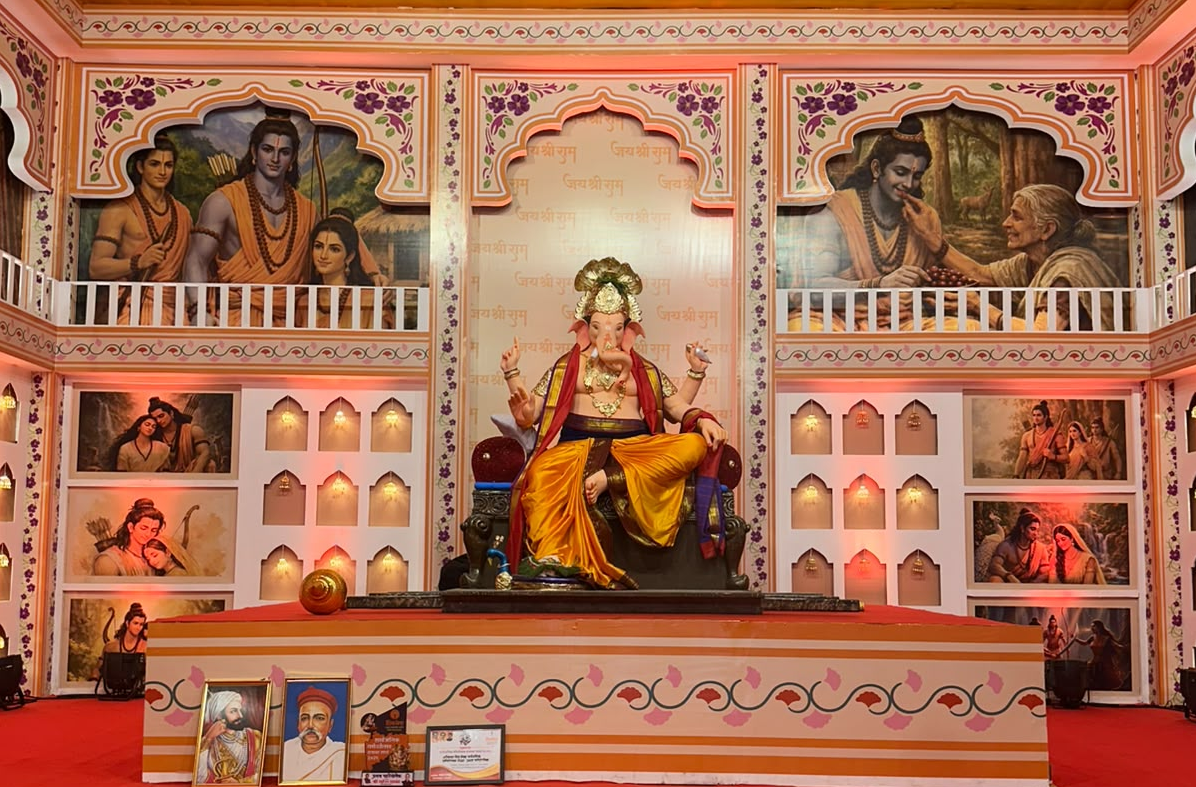
The public celebration centres around the installation of large clay idols of Lord Ganesha in beautifully decorated pandals. Families and communities organise pujas and aartis, while traditional food is offered to the deity as prasad. After the festivities, the idols are taken in colourful processions for Ganesh Visarjan, symbolising the return of the deity to his celestial abode.
For Mumbai, however, Ganeshotsav is much more than a religious festival. It is a celebration of faith, creativity, tradition, community spirit and the city’s cultural identity.
“Ganpati Bappa Morya” becomes the defining sound of Mumbai during these ten days.
Months of preparation go into creating the magnificent idols and pandals. Artists, sculptors, decorators, volunteers, musicians and local residents work together to create installations that often combine mythology with contemporary themes.
Must-Visit Ganpati Pandals in Mumbai
For anyone visiting Mumbai during Ganesh Chaturthi 2026, these iconic pandals offer a glimpse into the scale and diversity of the city's celebrations.
1. Lalbaugcha Raja
No list of Mumbai's famous Ganpati pandals is complete without Lalbaugcha Raja.
Established in 1934 by fishermen and traders, the mandal was formed after their wish for a permanent marketplace in Mumbai was fulfilled. The idol consequently came to be known as “Navsacha Ganpati”, reflecting the popular belief that devotees’ wishes are fulfilled after seeking the deity’s darshan.
Over the decades, Lalbaugcha Raja has become one of Mumbai's most recognisable religious icons. The approximately 15-foot idol attracts millions of devotees every year, with long queues forming for darshan.
Where: GD Ambekar Marg, Lalbaug
Nearest railway stations: Currey Road and Chinchpokli; Lower Parel on the Western Line
Nearest Metro: Science Centre Station
2. GSB Seva Mandal
The G.S.B. Seva Mandal is renowned for its magnificent Mahaganapati and elaborate religious ceremonies.
Founded by the Goud Saraswat Brahmin community, the idol is adorned with more than 60 kilograms of gold and silver ornaments. Along with its grandeur, the mandal is known for devotional music and elaborate Vedic rituals.
Unlike most major Ganpati mandals, the GSB Seva Mandal immerses its idol on the fifth day of Ganesh Chaturthi.
Where: Shree Sukriteendra Nagar, King's Circle
Nearest railway stations: Matunga East and Kings Circle
Nearest Metro: Siddhivinayak Station
3. Andhericha Raja
Known as the “King of the Western Suburbs”, Andhericha Raja was established in 1966 by blue-collar workers who had migrated from Lalbaug to Andheri.
Apart from its beautifully crafted idol and elaborate decorations, the mandal is particularly famous for its lengthy visarjan procession. The immersion takes place on Sankashti Chaturthi, five days after Anant Chaturdashi, making its tradition different from most other major Mumbai Ganpatis.
Where: Azad Nagar, Andheri
Nearest railway station: Andheri
Nearest Metro: Azad Nagar Station
4. Mumbaicha Raja
Located in Ganesh Galli, Mumbaicha Raja is older than Lalbaugcha Raja. It was established in 1928 by Lalbaug Sarvajanik Utsav Mandal.
The pandal is famous for recreating celebrated Indian temples, monuments and heritage sites. Its tradition of installing a 22-foot idol, introduced in 1977, played a role in popularising giant Ganesh idols in Mumbai.
The pandal is also associated with a striking 24-karat gold necklace, reportedly measuring 12 feet and weighing 5.5 kilograms.
Where: Ganesh Galli, Lalbaug
Nearest railway stations: Currey Road and Chinchpokli; Lower Parel
Nearest Metro: Science Centre Station
5. Khetwadicha Ganraj
Established in 1959, Khetwadicha Ganraj in Girgaon has built a reputation for creating towering Ganpati idols.
The mandal made headlines in 2000 with a 40-foot idol, which was then the tallest Ganesh idol during Ganeshotsav.
Adding to its appeal, the idol is presented in a different mythological avatar every year, making its annual unveiling one of the eagerly awaited moments of Mumbai's Ganesh festival.
Where: Khetwadi 12th Lane, Girgaon, Charni Road
Nearest railway station: Charni Road
Nearest Metro: Girgaon Station
6. Mumbaicha Peshwa
Established in 1989, Mumbaicha Peshwa is known for its regal, Maratha-inspired celebrations.
Since 2008, the mandal has been creating its Ganpati idol using paper, earning recognition as Mumbai's first paper-idol mandal. The eco-friendly idol and elaborate decorations have made it an important attraction in the western suburbs.
Where: Vile Parle East
Nearest railway station: Vile Parle
Nearest Metro: Western Express Highway Station
7. Colaba Cha Samrat
One of South Mumbai's older neighbourhood Ganpatis, Colaba Cha Samrat has welcomed devotees since 1993.
The 2026 idol is decorated with striking dark Rudraksha beads, symbolising Lord Shiva's divine connection with his son, Lord Ganesha.
Its location near the Gateway of India makes it particularly convenient for visitors exploring South Mumbai.
Where: 2nd Pasta Lane, Shahid Bhagat Singh Road, Colaba
Nearest railway stations: CSMT and Churchgate
Nearest Metro: Cuffe Parade Station
8. Fortcha Raja
Amid Fort's colonial-era architecture and Art Deco surroundings, Fortcha Raja, also known as Icchapurti Ganpati, has been celebrating Ganesh Chaturthi since 1962.
Every year, the mandal creates artistic pandals inspired by Indian history, architecture and culture, giving devotees an opportunity to experience the festival against one of Mumbai's most distinctive urban backdrops.
Where: Icchapurti Ganesh Chowk, Dr Sunderlal Bahal Path, near GPO and Kabutar Khana, Fort
Nearest railway stations: Churchgate and CSMT
Nearest Metro: CSMT Metro Station
9. Girgaoncha Raja
One of South Mumbai's oldest Sarvajanik Ganpatis, Girgaoncha Raja has welcomed devotees since 1928.
The mandal is known for its approximately 20-foot eco-friendly Shadu clay idol, traditionally crowned with a distinctive Rajwadi pheta.
Its celebrations combine grandeur with an emphasis on environmental responsibility.
Where: Nikadwari Lane, Charni Road
Nearest railway station: Charni Road
Nearest Metro: Girgaon Station
10. Jariwala Cha Raja
Jariwala Cha Raja, also known as Jariwala Cha Ganraja, is a prominent Sarvajanik Ganpati in Mahim, known for its strong community roots and vibrant Ganesh Chaturthi celebrations.
The mandal becomes a spiritual and cultural hub during the 10-day Ganeshotsav, attracting local devotees and visitors who come to experience its traditional celebrations and festive atmosphere.
Where: Mahim, Mumbai
Nearest railway station: Mahim Junction
Nearest Metro: Sitladevi Metro Station
What to Eat During Ganesh Chaturthi in Mumbai
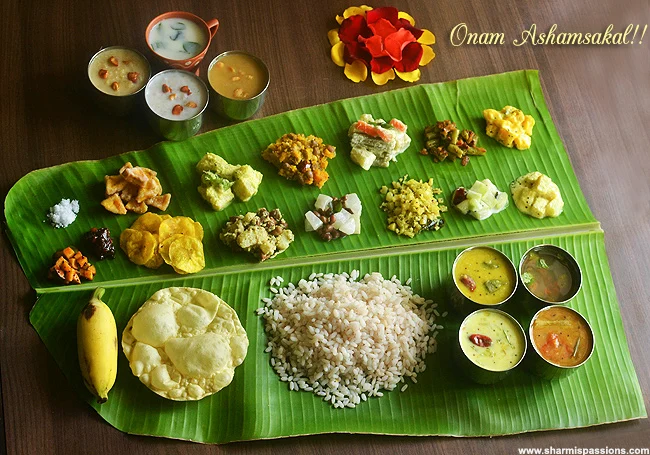
Mumbai's Ganeshotsav experience is incomplete without sampling traditional Maharashtrian food. The festival brings a delicious assortment of sweets and savoury dishes to homes, pandals and restaurants.
Modak: Ganesha's Favourite
No Ganesh Chaturthi food list can begin anywhere else. Lord Ganesha is traditionally associated with modak and is also known as “Modakpriya”, meaning one who loves modaks.
The traditional Ukadiche Modak is prepared with rice flour, coconut and jaggery and steamed before being offered as prasad. Modern versions include chocolate, fried, kesar, coconut-crunch and dry-fruit modaks.
Popular places to explore include Modakam in Prabhadevi, Aaswad in Dadar and Jhama Sweets in Chembur.
Puran Poli
A much-loved Maharashtrian festive delicacy, Puran Poli is a sweet flatbread filled with chana dal, jaggery and cardamom and traditionally served with generous amounts of ghee.
It is offered as prasad and bhog during the festival. Bhaskar's Puranpoli Ghat in Thane West is known for its variety of puran polis.
Shrikhand
Shrikhand is another popular festive sweet in Maharashtra. Prepared using thick yoghurt, sugar, cardamom, chironji and saffron, it is commonly served as prasad during Ganesh Chaturthi.
Fruit-flavoured versions have also become popular. Shree Thaker Bhojanalay is among the places known for authentic Maharashtrian preparations.
Kaju Kothimbir Vadi
The Marathi word “Kothimbir” means coriander, while “Vadi” refers to fritters. Kothimbir vadi is made using chickpea flour, coriander and spices.
The mixture is first steamed, then cut into pieces and fried until crisp. Kaju Kothambir Vadi is another popular variation and can be found at places such as Diva Maharashtracha.
Varan Bhat
Simple yet deeply rooted in Maharashtrian tradition, Varan Bhat combines dal and steamed rice.
The dal is generally prepared with ingredients such as moong dal, arhar dal, curry leaves, grated coconut and cumin seeds. It is traditionally served with vegetable preparations such as batata bhaji and beans bhaji.
Aaswad Upahar & Mithai Grih at Shivaji Park is among the places to try authentic Maharashtrian food.
Karanji
Another traditional festive favourite is Karanji, a fried pastry similar in appearance to the North Indian gujiya.
Its sweet filling can include coconut, sesame seeds, almonds, cashews, raisins, cardamom, nutmeg, sugar and ghee.
A Festival That Defines Mumbai
Ganesh Chaturthi in Mumbai is ultimately about much more than magnificent idols or crowded pandals. It represents the coming together of neighbourhoods, families, artists, volunteers and devotees.
From the first aarti to the final Ganesh Visarjan, the festival creates a unique atmosphere across the city. Music fills the streets, elaborate processions move through neighbourhoods and devotees repeatedly chant “Ganpati Bappa Morya” as they bid farewell to the deity.
For visitors, the festival offers an extraordinary window into Mumbai's cultural character. For Mumbaikars, it is a deeply emotional annual tradition.
The towering idols, artistic pandals, traditional food, devotional music and community participation together turn Mumbai into a city-wide celebration of faith, heritage and togetherness.
And when the idols finally enter the water during visarjan, the message remains simple and powerful: the deity may depart, but the devotion and spirit of Ganeshotsav remain alive in the city.
Disclaimer: This article is based on available information and has been lightly edited with the help of AI.