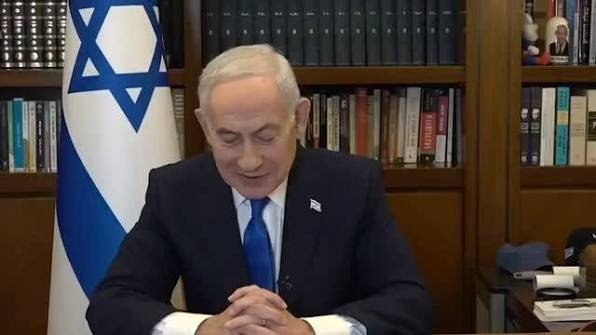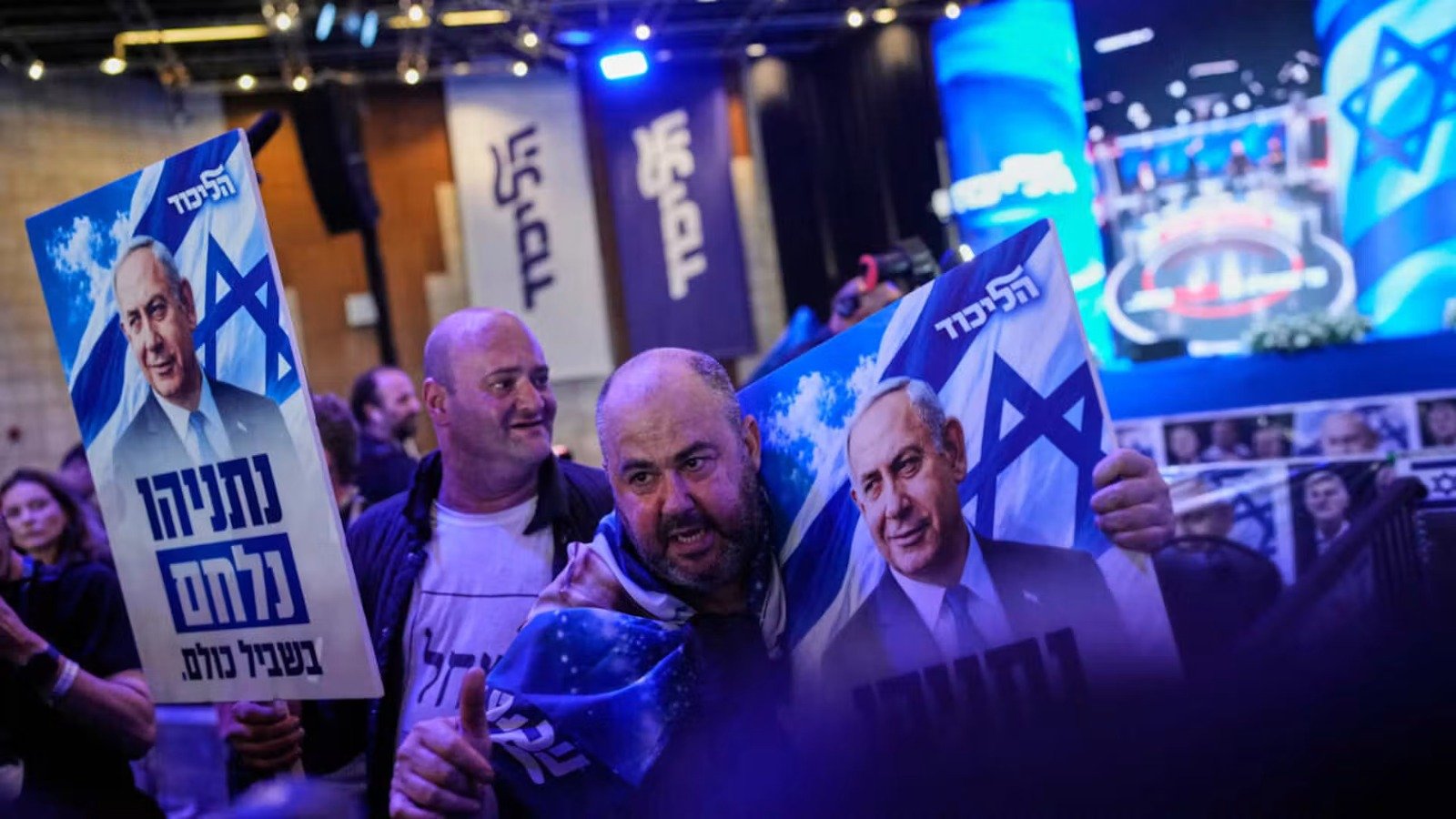
Jerusalem, Oct 2026 : Israel's parliamentary election results have produced a hung parliament, with Prime Minister Benjamin Netanyahu's alliance failing to secure the majority required to form the next government. The final seat distribution shows Netanyahu's supporting parties winning 53 seats in the 120-member Knesset, while the main opposition camp has secured 48 seats. Arab parties have collectively won 19 seats.
With 61 seats required for a majority, neither of the two major political blocs has enough support among its existing allies to form a government independently. The fragmented electoral mandate has therefore set the stage for complex coalition negotiations, with the future of Israel's next government likely to depend on political compromises and support from smaller parties.
According to the seat allocation published by Israel's Central Elections Committee, Netanyahu's Likud party has emerged as the largest single party with 27 seats. Yashar has secured 21 seats, while B'Yachad has won 12. The Joint List has received 11 seats, while the Democrats and Ra'am have secured eight seats each.
Yisrael Beiteinu, United Torah Judaism and Otzma Yehudit have won seven seats each. Shas and Religious Zionism have secured six seats apiece. The results underline the fragmented nature of the new Knesset, making coalition formation a challenging task for political leaders.
Although the counting process has been completed and the seat allocation published, some formal procedures remain. The Central Elections Committee will complete its examination of complaints and possible errors before submitting the official results to President Isaac Herzog on November 4. The swearing-in ceremony of the newly elected Knesset is scheduled for November 10.
The final voter turnout was recorded at 77.9 per cent, with a total of 5,716,665 votes cast. The next stage will involve consultations between political parties and President Herzog to determine which leader has the best chance of securing sufficient parliamentary support to form a government.
Meanwhile, Netanyahu and his Likud party have raised allegations of foreign interference in the election, adding to the political tensions following the results.
In a statement shared by Netanyahu, Likud alleged that foreign forces were attempting to influence Israel's democratic system, promote the country's Islamisation and remove the right-wing government from power. However, these allegations have not been established as facts.
According to a Reuters report cited in the source, Netanyahu did not present public evidence to support his allegations that Arab parties benefited from electoral fraud.
Central Elections Committee Chairman and Supreme Court Justice Noam Solberg has asked Israel's domestic security agency, Shin Bet, to investigate concerns about possible foreign funding aimed at influencing the election. Solberg described the suspicions as serious but clarified that he could not confirm their validity. The investigation is intended to establish whether evidence exists to support or disprove the claims.
The election committee has also described allegations of systematic attempts to undermine the fairness of the election as baseless. Meanwhile, Likud has accused Qatar of involvement in the alleged interference, a charge that Qatar has denied.
Ra'am leader Mansour Abbas has rejected allegations of his party's involvement and called for a comprehensive investigation. He accused Netanyahu of inciting hostility against Arab citizens and attempting to discredit their participation in the democratic process.
The 19 seats won collectively by Arab parties could become significant during the government formation process. However, the parties cannot automatically be treated as a single political bloc or assumed to support the same coalition. Their positions and willingness to cooperate with other political groups will be crucial.
The main opposition camp also needs additional parliamentary support to reach the 61-seat majority mark. Differences among potential coalition partners could complicate negotiations, while joining a government and extending outside support remain two distinct political arrangements.
Under Israel's government formation process, President Herzog will consult representatives of different political parties to assess their preferences and determine which candidate is best placed to form a government. The candidate receiving the mandate may get up to 42 days to assemble a coalition.
If the designated candidate fails to secure the necessary support, alternative options may be explored. A failure to form a government could eventually lead to another parliamentary election, while the existing government would continue in a caretaker capacity in the interim.
The election results have left Israel facing an uncertain political transition. Netanyahu's bloc remains eight seats short of a majority, while the opposition must also negotiate additional support. The coming days will be crucial as coalition talks gather pace and the investigation into allegations of foreign interference proceeds.