Moscow supports expanding permanent representation from Asia, Africa and Latin America but rejects additional seats for Germany and Japan, creating a divide within the G4 reform grouping.
United Nations, Sept 2026 : Russia has backed India and Brazil for permanent membership of the United Nations Security Council while opposing permanent seats for Germany and Japan, placing Moscow at odds with two members of the G4 grouping that has jointly campaigned for Council reform.
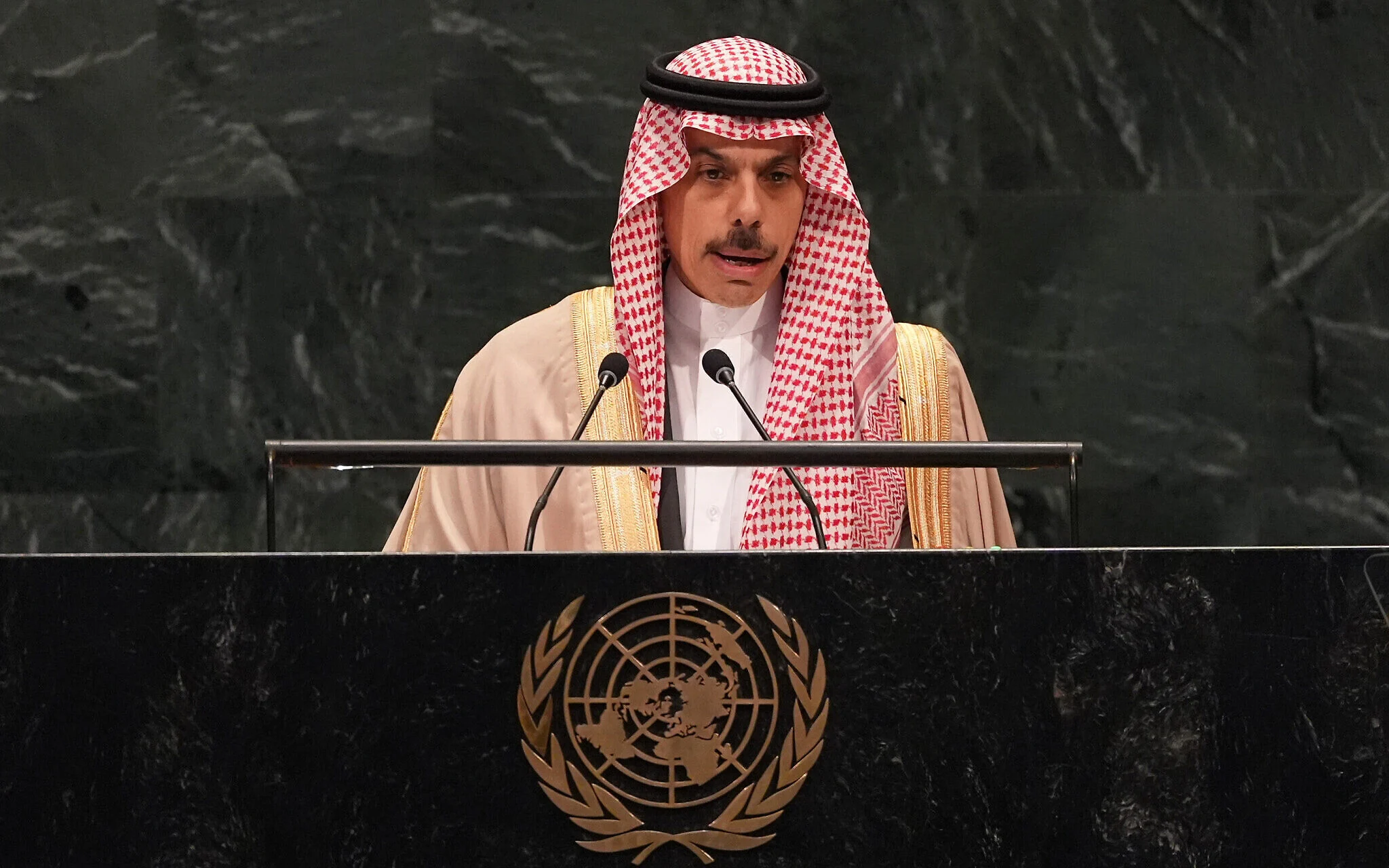
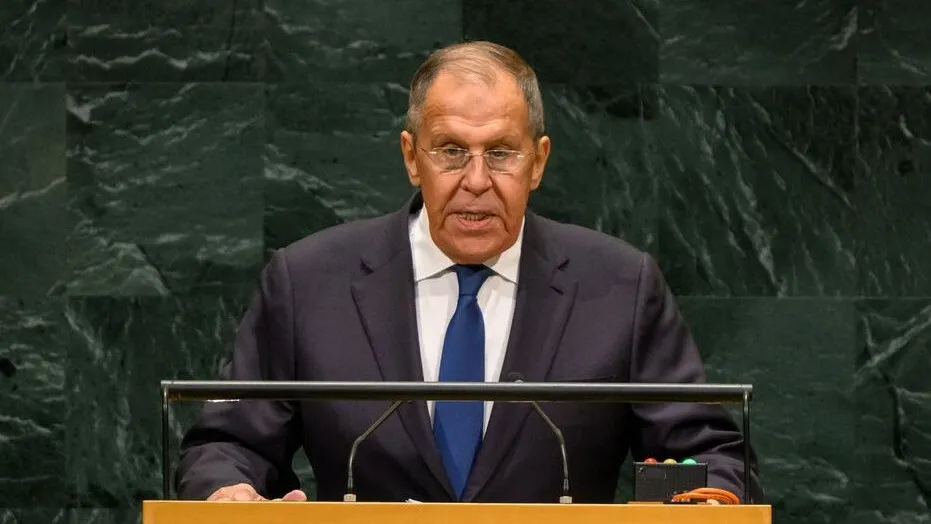
Russian Foreign Minister Sergey Lavrov outlined Moscow’s position while addressing the 81st session of the UN General Assembly in New York. He argued that any reform of the Security Council should focus on increasing representation from Asia, Africa and Latin America rather than adding more Western countries.
Lavrov specifically opposed permanent seats for Germany and Japan, saying Russia did not support the allocation of additional positions to Western countries. He backed the candidatures of India and Brazil for permanent membership, reaffirming Moscow’s stated support for greater representation of the Global South.
“We are in favour of broadening the representation of Asia, Africa, and Latin America. We support Brazil's and India's candidatures for a permanent seat,” Lavrov said.
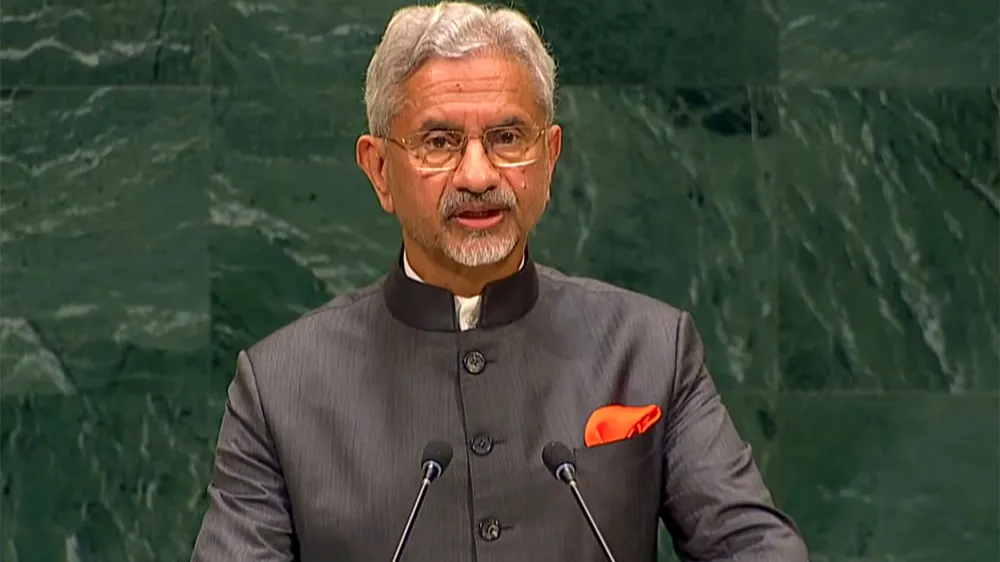
The Russian position highlights a significant difference within the G4, comprising India, Brazil, Germany and Japan. The four countries have for years coordinated their efforts to seek expansion of the Security Council in both permanent and non-permanent categories. India’s Ministry of External Affairs has described the G4 as a reform-oriented grouping working for comprehensive reform of the Council.
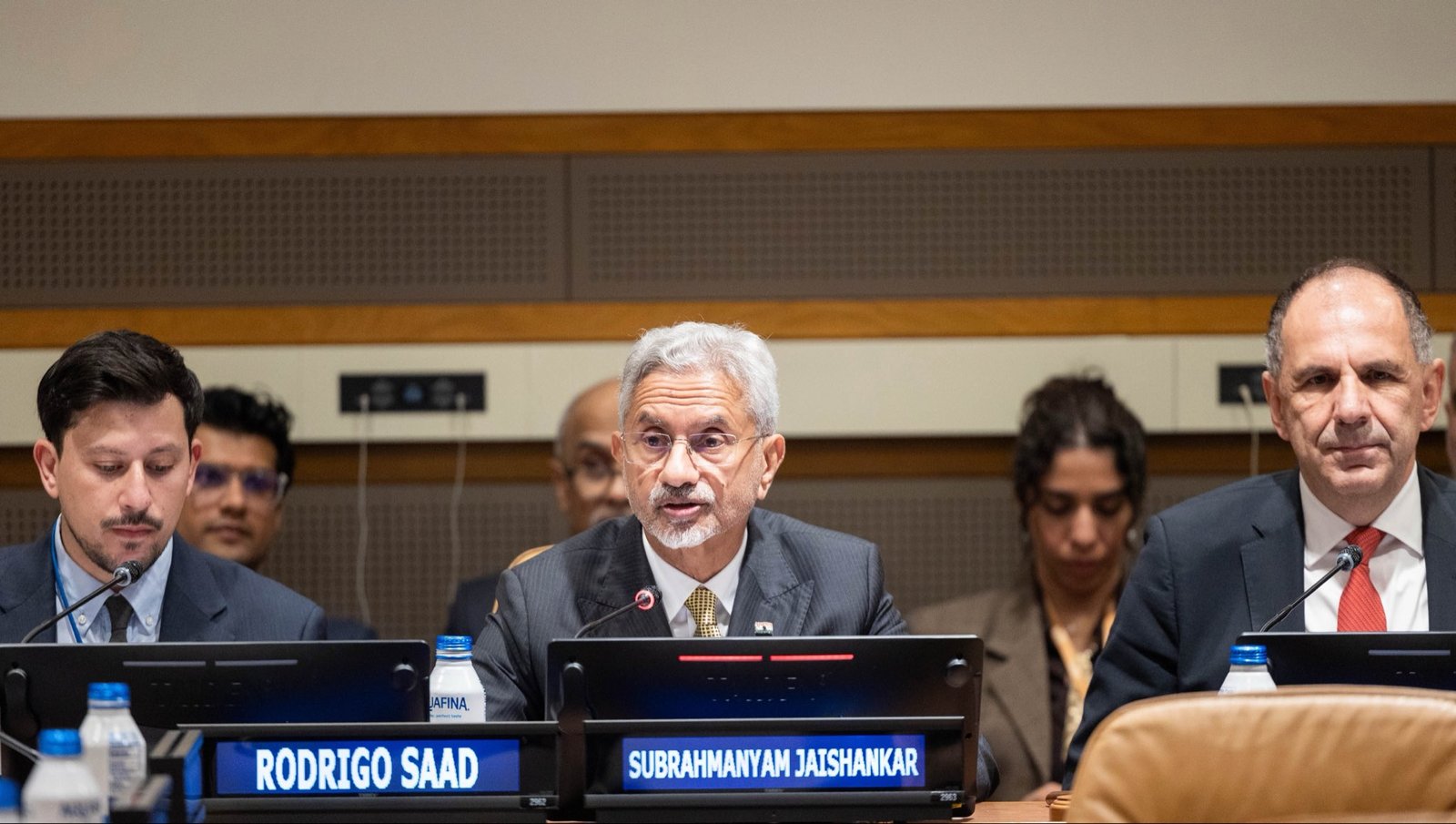
The G4 foreign ministers also met on the sidelines of the current General Assembly session and called for early reform of the Council, arguing that its present composition does not adequately reflect contemporary global realities. Their joint position includes support for expansion in both categories and greater representation for regions including Africa, Asia-Pacific, Latin America and the Caribbean.
India’s candidature received support from other countries during the high-level debate. Mauritius Foreign Minister Dhananjay Ramful reiterated his country’s backing for India’s bid, while Portugal supported permanent representation for Africa, Brazil and India.
The Marshall Islands, meanwhile, expressed support for Japan and its G4 partners for permanent membership, reflecting the continuing range of positions among UN member states on the reform question.
The issue of African representation has also featured prominently during the General Assembly. UN Secretary-General António Guterres has called for Security Council reform and highlighted what he described as the indefensible absence of permanent African representation.
Sierra Leone President Julius Maada Bio and other African leaders have similarly argued that the Council’s current structure does not adequately reflect the composition and political realities of the contemporary international system.
The UN Secretariat has not endorsed any individual country’s candidature for a permanent seat. UN spokesperson Stéphane Dujarric has previously said that decisions concerning specific candidates are for member states to make, while stressing the broader need for a more representative Security Council.
The Council currently has 15 members, including five permanent members — China, France, Russia, the United Kingdom and the United States — which hold veto powers. The remaining 10 members are elected by the General Assembly for two-year terms.
Any change to the Council’s composition would require an amendment to the UN Charter. Such an amendment must secure approval from two-thirds of the General Assembly and subsequently be ratified by two-thirds of UN member states, including all five permanent members.
India has consistently argued that the Council must reflect present-day political, economic and demographic realities. New Delhi has cited its population, expanding international role, contribution to UN peacekeeping and representation of developing countries as factors supporting its claim for permanent membership.
Russia’s latest endorsement therefore strengthens India’s diplomatic support base, while its opposition to Germany and Japan underlines the differing approaches among UN members to the scope and composition of any future Security Council expansion. The issue remains subject to ongoing intergovernmental negotiations, with no final agreement on the Council’s reform model.
(Disclaimer :The content of this article is sourced from a news agency and has not been edited by the Mavericknews30 team.)