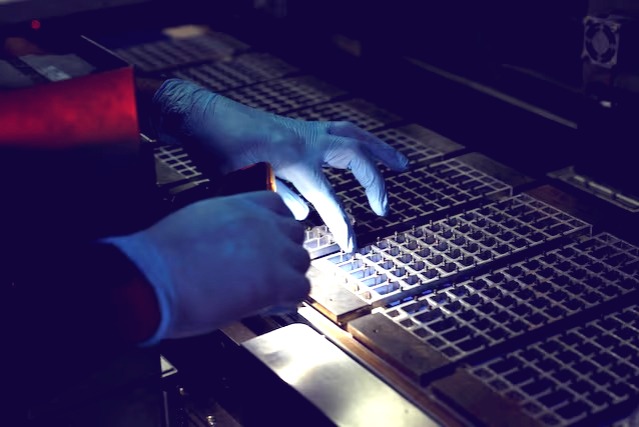
United States Imposes 123% Anti-Dumping Duty On Solar Panel Imported From INDIA.

Washington DC; April 2026: The U.S. Commerce Department yesterday (23rd April 2026) have announced preliminary antidumping duties on solar cells and panels imported from India, Indonesia and Laos, the latest in a string of tariffs imposed over a decade on solar imports from Asia. With the decision, federal trade officials sided with domestic solar factory owners in finding that companies operating in the three countries dumped cheap goods in the U.S. market.
According to a fact sheet posted on the Commerce Department’s website, the agency calculated preliminary duty rates, known as dumping margins, of 123.04% for imports from India; 35.17% for imports from Indonesia; 22.46% for imports from Laos. During the FY: 2025 – the three nations had accounted for $4.5 billion in U.S. solar imports, about two-thirds of the total, according to government trade data. The decision is a blow to producers in those nations who were supplying goods to the fast-growing U.S. market.
The Alliance for American Solar Manufacturing and Trade, last year on 17th July had filed a petition, with the US Commerce department, includes Tempe, Arizona-based First Solar, Qcells, the solar division of Korea’s Hanwha, and private companies Talon PV and Mission Solar. The petition had accused companies from the se three nations of receiving unfair government subsidies and of selling their products below the cost of production in the United States. It says Chinese-owned companies shifted production from nations that received U.S. tariffs to Indonesia and Laos and also accuses Indian-headquartered manufacturers of dumping cheap goods in the United States.
We have always said, vigorous enforcement of our trade laws is critical to the success of this industry, Tim Brightbill, lead attorney for the petitioners, said in a statement. Most of the solar panels installed in the United States are produced overseas. But U.S. solar manufacturing capacity has grown meaningfully since the 2022 Inflation Reduction Act provided tax credits as an incentive to reduce reliance on Chinese-made goods.
Panel capacity reached 50 gigawatts this year, up from 7 GW in 2020, according to the Solar Energy Industries Association. That is still not enough capacity to supply the U.S. solar market, which is expected to install nearly 43 GW of projects per year through 2030, according to SEIA. The Commerce Department has 20 days to decide whether to initiate an investigation into whether to impose tariffs.
The Commerce Department said it would announce a final decision on or around July 13 for solar cells from India and Indonesia, and a decision for imports from Laos on or around September 09th.
Team Maverick.







Sonam Wangchuk’s Wife Seeks Family Consent for Medical Treatment After Activist Hospitalised
New Delhi, July 2026 : Innovator, education reform advocate and climate activist Sonam Wan…

Sonam Wangchuk’s Wife Seeks Family Consent for Medical Treatment After Activist Hospitalised
New Delhi, July 2026 : Innovator, education reform advocate and climate activist Sonam Wangchuk’s …