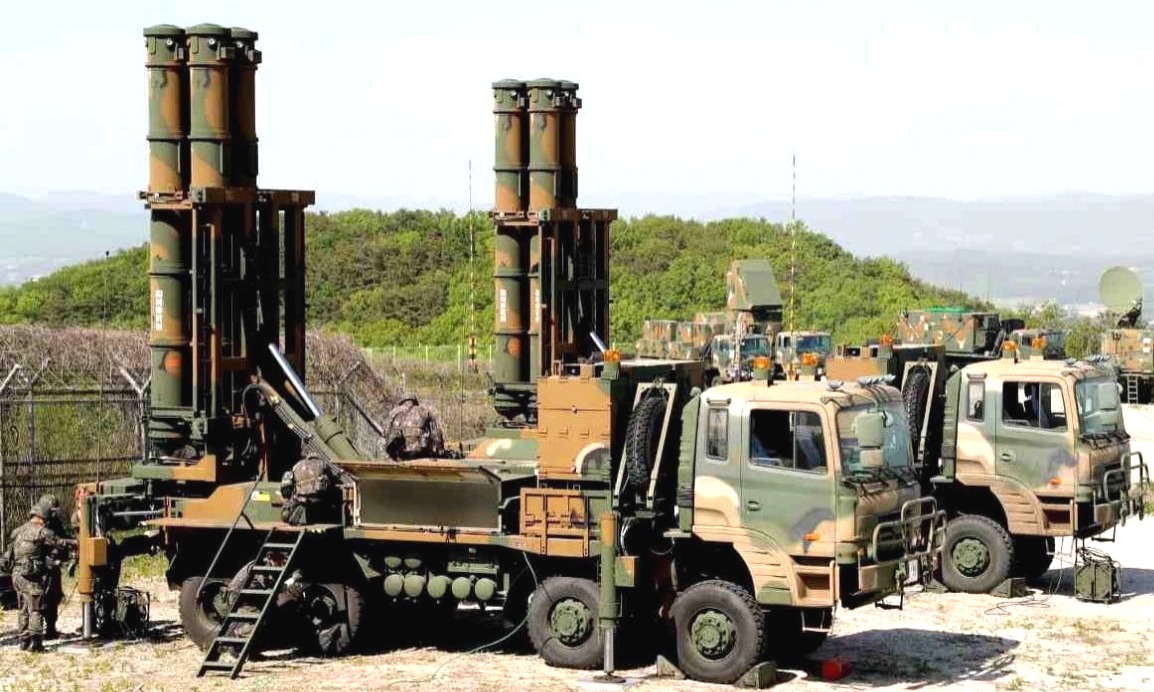
An Unprecedented Military Escalation In The Gulf Region Since The Ceasefire Announcement.

Abu Dhabi; May 2026: The Gulf region has experienced an unprecedented military escalation since the ceasefire announcement on April 08th. The UAE’s air defence systems have faced intense attacks from ballistic missiles, cruise missiles, and drones launched from Iran. The operation, which included attacks on oil facilities and commercial vessels, tested the capabilities of the interception systems and reignited fears about the security of the Strait of Hormuz as a vital energy corridor for the world.
The UAE Ministry of Defence announced that yesterday, on May 04th, its air defences countered multidirectional threats, including 12 ballistic missiles, 03 cruise missiles, and 04 drones . The statement noted the successful interceptions over territorial waters, while 01 missile fell into the sea. It also stated that the loud noises heard in various parts of the country were a natural consequence of the systems engaging the incoming targets, resulting in only three moderate injuries amongst the citizens. On the ground, the bombardment reached the Fujairah oil industrial zone, where a drone caused a large fire. The Ministry of the Interior confirmed that civil defence teams brought the fire under control, leaving three Indian workers with minor injuries.
The escalation was not limited to the bombing of Emirati territory, but extended to the arteries of commercial traffic. In the Strait of Hormuz, an Abu Dhabi National Oil Company (ADNOC) tanker was attacked by 02 drones while crossing the strait . Abu Dhabi described the Iranian actions as “acts of piracy”, aimed at turning the waterway into a tool for economic blackmail. The maritime landscape saw a parallel escalation, with a South Korean tanker suffering an explosion and fire, in addition to projectiles falling in the Bukha area of Oman, injuring two people. This reflects the increased risk in the strait, through which a fifth of the world’s oil and gas consumption passes.
On the diplomatic front, the tone of threats between Iran and UAE intensified. While the UAE Foreign Ministry condemned the “treacherous aggression”, stating that it reserves the right to a legitimate response, Iranian television broadcast statements from a high-ranking military official who denied the existence of a prior plan to attack the UAE, attributing the incident to the “US military adventure” to open the Strait of Hormuz. This Iranian denial was countered by an explicit threat transmitted by the Tasnim news agency, citing a military source, who warned of the fragility of UAE security and threatened that nowhere would be safe if the country undertakes any action deemed “irrational”.
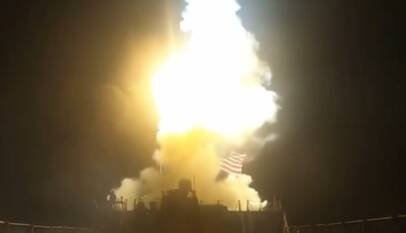
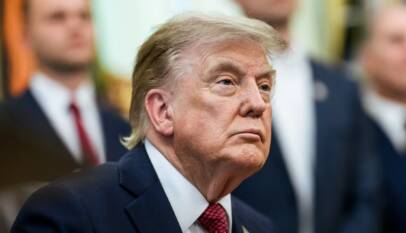
This confrontation comes against a backdrop of the evident fragility of the April 08th truce, which is now threatened with collapse following the latest exchange of fire in the Strait. The Iranian escalation was followed by a stark threat from US President Donald Trump to crush Iranian forces if they attack warships, which US Central Command (CENTCOM) responded to by destroying 06 Iranian vessels and protecting the passage of two US-flagged merchant ships, something which Iran categorically denies.
With nearly 20,000 sailors still stranded in the Strait, according to reports from the UK Maritime Safety Agency, these tensions directly impacted global markets, where Brent crude rose to close at $11.40 a barrel. These events has provoked a swift international reaction. France, through its President Emmanuel Macron, deemed the attacks unjustified and unacceptable, calling for security guarantees for the countries of the region. The President of the European Commission condemned the flagrant violation of Emirati sovereignty, and British Prime Minister Keir Starmer called for de-escalation. Amid this turmoil, Iran’s insistence that “there is no military solution to the crisis” clashes contradictorily with the repeated failure of negotiations in Pakistan, leaving the region facing a troubling reality that depends, on the one hand, on the precision of air defence systems and, on the other, on the inability of diplomacy to quell the last spark in the Strait of Hormuz.
International experts have flagged that Europe in general, and France, England, alongside the European Commission in particular, as usual, only make declarations. They have neither the capacity nor the will to take any concrete action, apart from speeches. The only valid action for the Commission and the EU should be to severe relations with Israel. This senseless war serves only Israel’s interests, which announced three years ago that they had a plan to “change the face of the entire Middle East”. Only the US has followed their agenda. And not even Hamas has surrendered its weapons.
Team Mavericks.




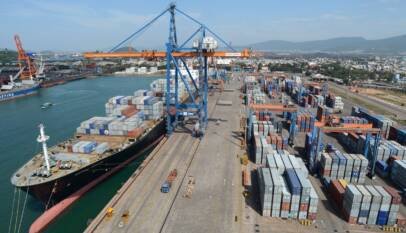
Delivery Of Second Indigenous Diving Support Vessel – ‘Nipun’
‘Nipun’ the second Diving Support Vessel (DSV), built by Hindustan Shipyard Limited&n…

Delivery Of Second Indigenous Diving Support Vessel – ‘Nipun’
‘Nipun’ the second Diving Support Vessel (DSV), built by Hindustan Shipyard Limited was delivered to the …