Mitigating EBOLA Is Proving To Be Horrendous With The United States Closing The USAID.

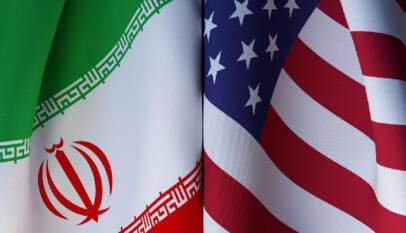
Washington DC; May 2026: President Donald Trump had announced the discontinuation of the US Agency for International Development (USAID) last year, with operations officially ceasing in the mid of 2025. At the same time, the US moved to withdraw from the World Health Organization (WHO), effective at the beginning of this year (2026). These two developments marked the end of the United States dominant stance in global public health, according to global experts.
Fall this month (May 2026) – The sudden Ebola outbreak spreading throughout Central Africa is the first major outbreak since the Trump administration demolished its global health programs and largely withdrew from the world stage last year. The world laments that the absence is palpable. While the US is sending resources and teams of experts overseas, public health and infectious disease experts say President Trump’s cuts are undermining the response and likely delayed detection of the virus.
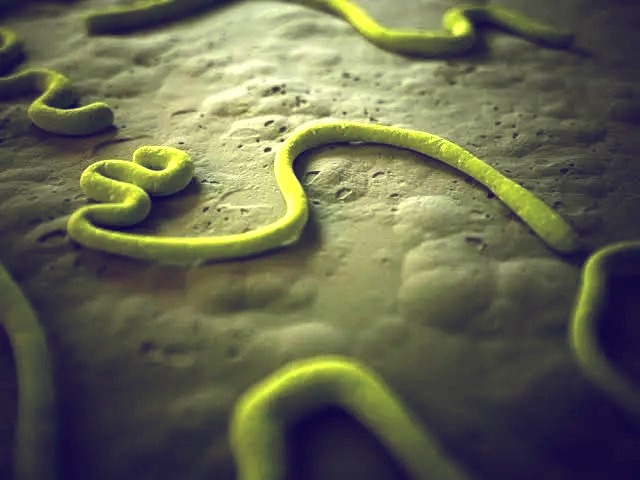
More than 500 suspected cases of the Ebola Bundibugyo virus disease (BVD) have been reported from Congo alone, with the WHO declaring the outbreak a public health emergency of international concern.
“The fact that the US has significantly scaled back, reduced its funding, reduced its footprint, or reduced the number of staff does affect the response”, Jen Kates, senior vice president and director of the Global and Public Health Policy Program at KFF, told media reporters. “I wouldn’t say that the this has contributed to the start of this outbreak”, she added. “But the loss of infrastructure and capacity is going to take a toll, and that can impact the ability to respond”.
The outbreak has already impacted an American citizen, with medical missionary Peter Stafford evacuated from Congo to Germany this past week. According to the latest update, he is in stable condition. In response to the outbreak, the Centers for Disease Control and Prevention (CDC) has banned all non-US passport holders traveling from affected countries from entering the US
The State Department last week issued a travel advisory requiring that all US-bound American citizens and lawful permanent residents who have been in Congo, Uganda or South Sudan within 21 days of arrival in the US go through ‘enhanced public health screening’ carried out by the CDC and US Customs and Border Protection.
The destruction of USAID had a notable impact on aid to Africa specifically. In 2024, the agency had allocated $12.7 billion, or nearly a third of its global foreign assistance, to sub-Saharan Africa, like during the 2018 Ebola outbreak in Congo, it was USAID leading the response. It was during that time, following the news of the outbreak, the State Department said it had mobilised $23 million in emergency funding to Congo and Uganda as well as funding for up to 50 treatment clinics.
Jane Kates said that while many people moved over from USAID to the State Department, there are still fewer people able to mount a response overall, and the former agency had particular expertise for handling these situations. “Whether it was disease outbreak, an earthquake, whatever, those kind of disasters or serious emergency situations, this was part of the USAID DNA”, Kates said. “Putting together these rapid response teams and coordinating across the US government, CDC”.
US health officials insist that the US is still able to provide robust aid to the impacted countries despite the enormous vacuum left by the dismantling of USAID.
Satish Pillai, incident manager for CDC’s Ebola response, said in a press briefing on Friday (22nd May): “CDC has had a longstanding relationship and engagement with the Ministry of Health. We have a country office, and we work through our implementing partners. We are supporting contact tracing, we’re supporting laboratory efforts, infection prevention control efforts, and so I think for how we are approaching this and how we are working at CDC through our implementing partners, it is based on those existing relationships that we have had and we have built over two decades”.
Abraham Leno, director of government relations for the humanitarian organization Alight, has led extensive efforts in fighting outbreaks in Congo. He said the loss of support from the US has impacted other international and local organizations that relied on the funding for training and physician services for an eventual outbreak. “It has disrupted the ability for that contact tracing to happen, for those preventive activities to be mounted very well. That’s not only the result of the loss of USAID, that’s just the chaos and insecurity of the country”, Leno said while further noting that the lack of funding has squeezed other partners to provide what the US normally would have covered, such as personal protective equipment and contact tracing.
He noted that the loss of USAID signified more than just a loss of funding. “So, what USAID provided, the US government provided, is not just the funding”, he said. “It’s also the capability that it formed with credible alliances and credible partnerships that were formed with other governments”.
Team Maverick.



More Than a Café: How MITTI Café is Brewing Hope, Dignity and Dreams at Rashtrapati Nilayam
Hyderabad, July 2026 : Tucked away inside the serene campus of Rashtrapati Nilayam in Boll…

More Than a Café: How MITTI Café is Brewing Hope, Dignity and Dreams at Rashtrapati Nilayam
Hyderabad, July 2026 : Tucked away inside the serene campus of Rashtrapati Nilayam in …