As President Trump Scrambles To Secure Lebanon Truce; Optimism Over US-Iran Deal Appears To Be Fading.

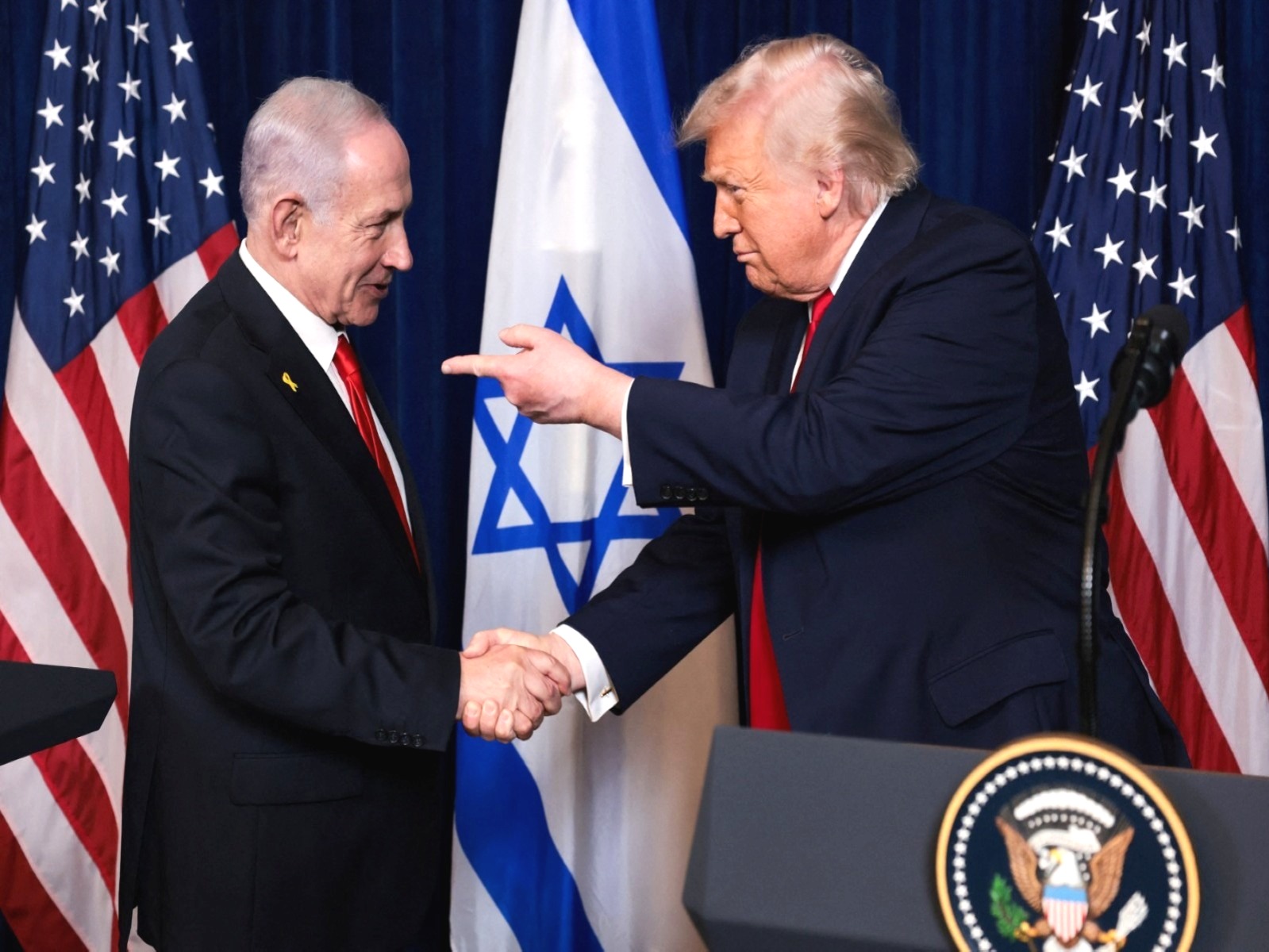
Beirut/Tehran/Washington DC; June 2026: US President Donald Trump had declared in a Truth Social post that talks with Iran are continuing at a rapid pace, while also telling media journalists in an interview that he didn’t care if negotiations ended and was becoming bored by efforts to end the three-month war in the Middle East. He had further asserted that he had not been informed of reports that Iran had paused ceasefire talks, but wasn’t surprised because “they’re better negotiators than they are fighters. It doesn’t mean we’re going to go and start dropping bombs all over there. We shall keep the blockade”.
Trump has sent varying messages as he scrambled throughout yesterday (01st June) to secure a truce between Israel and Hezbollah, the Iran-linked proxy group that controls much of southern Lebanon. But to everyone’s utter dismay Iran has stalled talks in protest of Israel’s punishing strikes on Lebanon.
Iran said it would keep the Strait of Hormuz closed with negotiations stalled, promising to prolong a global energy crisis that has spiked gas prices in the United States. The cost of oil jumped again yesterday after Iran halted talks. Middle East experts said the setback underlined how far apart the two sides remain on key issues like reopening the Strait of Hormuz and the future of its nuclear program.
“This latest episode raises more doubts about whether the conditions are ripe for a diplomatic settlement, but both Iran and the United States seem intent for now [on not] returning to all-out war”, said Brian Katulis, a senior fellow at the Middle East Institute. “We may be in for a long, hot uncertain summer where Iran and the United States remain locked in a test of wills that plays out in targeted military strikes and ongoing rounds of diplomacy”, he added.
Former Pentagon official Michael Rubin told press reporters that the latest developments were “par for the course for Iran. It’s always two steps forward, two steps back, and in the end there’s no progress made, except a lot of time gets wasted”, said Rubin, now a senior fellow at the American Enterprise Institute. “If you consider that Iran’s goal is less about making progress and more about running down the clock, then that strategy makes sense”.
Nate Swanson, a resident senior fellow and director of the Iran Strategy Project at the Atlantic Council’s Scowcroft Middle East Security Initiative, said both Iran and the US are “over-confident”, believing that time is on their side and that eventually the other side will capitulate. What is unusual about the current negotiations is that the shape of the deal is already clear, with the two sides more concerned about how it is perceived, said Swanson, a former director for Iran at the National Security Council, told reporters yesterday (01st June).
“For this reason, I’m not too worried about the day-to-day ups and downs of the negotiations. The mediators will re-engage and eventually both sides will figure it out”, he said. “It’s just a matter of how much economic pain we have to endure beforehand”.
The US and Iran exchanged fire over the weekend, with the US military striking Iranian radar and command and control sites for drones, as well as shooting down two Iranian one-way attack drones in response to aggressive Iranian actions, which included the downing of an American MQ-1 Predator drone, according to Centcom.
Trump considered a preliminary deal to end the war, which was negotiated by the US and Iran, over the weekend. The tentative deal would extend the ceasefire for another 60 days, open the Strait of Hormuz, the key waterway through which around 20 percent of the world’s oil and gas supply flows, and lay the groundwork for talks over Iran’s nuclear program.
Katulis, of the Middle East Institute, said it was “never” clear how close the Trump administration was to achieving a deal with Iran, arguing the US President has a “poor record of reaching major diplomatic agreements that produce results and endure. We saw this in his first term engagement with North Korea, and we have seen it in his fruitless diplomatic efforts to end Russia’s war against Ukraine”, he said. “Iran may be the latest case where Trump’s unpredictable and unconventional style of diplomacy comes up empty, but we will see”.
Tensions between Israel and Lebanon skyrocketed over the weekend after Israeli Prime Minister Benjamin Netanyahu ordered troops to move deeper into Lebanon in an effort to target the Iranian backed militant group Hezbollah. The move marked Israel’s deepest advance into Lebanon in over a decade, and resulted in the strategic seizure of a Medieval Crusader-era castle known as Beaufort Castle.
Rubin noted that Israel’s seizure of the castle not only gives them the high ground, but effectively cuts Hezbollah in Lebanon from commanders who are located north of the Litani River.
Israel’s offensive immediately set back progress toward any agreement to end the war in Iran, with Iran’s top negotiator Mohammad Bagher Ghalibaf saying the “escalation of war crimes in Lebanon by the genocidal Zionist regime are clear evidence of US noncompliance with the ceasefire. Every choice has a price, and the bill comes due. It will all fall into place”, Iran’s Parliament Speaker Mohammad Bagher Ghalibaf added in a post on X.
On Monday, Trump announced on Truth Social that Israeli troops would retreat from Beirut following a call with Israeli Prime Minister Benjamin Netanyahu, adding that any troops on their way to Beirut “have already been turned back. Likewise, through highly placed Representatives, I had a very good call with Hezbollah, and they agreed that all shooting will stop, That Israel will not attack them, and they will not attack Israel”, he continued.
However, Netanyahu said in his own readout of his call with Trump that Israel’s stance “remains unchanged” on the matter and that the Israel Defense Force will continue to operate “as planned” in southern Lebanon. “I spoke with President Trump and told him that if Hezbollah does not cease attacking our cities and citizens, Israel will attack terror targets in Beirut”, Netanyahu said in a post on X.
One former Trump administration official said it’s notable that Hezbollah and Iran seem willing to agree to a ceasefire without Israel entirely withdrawing from southern border regions, suggesting “some franticness” to save the proxy group from being wiped out entirely. The same former official noted one of Iran’s main goals is to drive a wedge between the US and Israel. “If they can get to a place where they have persuaded the administration that Israel is the problem here, they think that will make Trump put pressure on Bibi to stop, and hopefully create a greater rift”, the former official said.
While Trump has publicly shrugged off the political pressure, he is facing to end the war with Iran, Katulis said the President also seems “desperate to reach a deal. The 2026 Iran war has done considerable damage to his domestic political standing because it has hurt all Americans economically and it hasn’t produced a tangible sign of success for US national security”, he said.
Team Maverick.







Chief Minister Rekha Gupta inaugurates ‘Arpan Kendra’ at Punjabi Bagh West Metro Station
‘Arpan Kendras’ being set up at 10 major Delhi Metro stations in collaboration with Delhi …

Chief Minister Rekha Gupta inaugurates ‘Arpan Kendra’ at Punjabi Bagh West Metro Station
‘Arpan Kendras’ being set up at 10 major Delhi Metro stations in collaboration with …