Trump Thanks Xi and Putin for Neutral Stance During Iran Conflict, Defends Nuclear Agreement

Evian, June 2026 : United States President Donald Trump on Wednesday publicly expressed gratitude to Chinese President Xi Jinping and Russian President Vladimir Putin for maintaining a neutral position during the recent conflict involving Iran, saying their restraint helped prevent the crisis from escalating into a broader geopolitical confrontation.
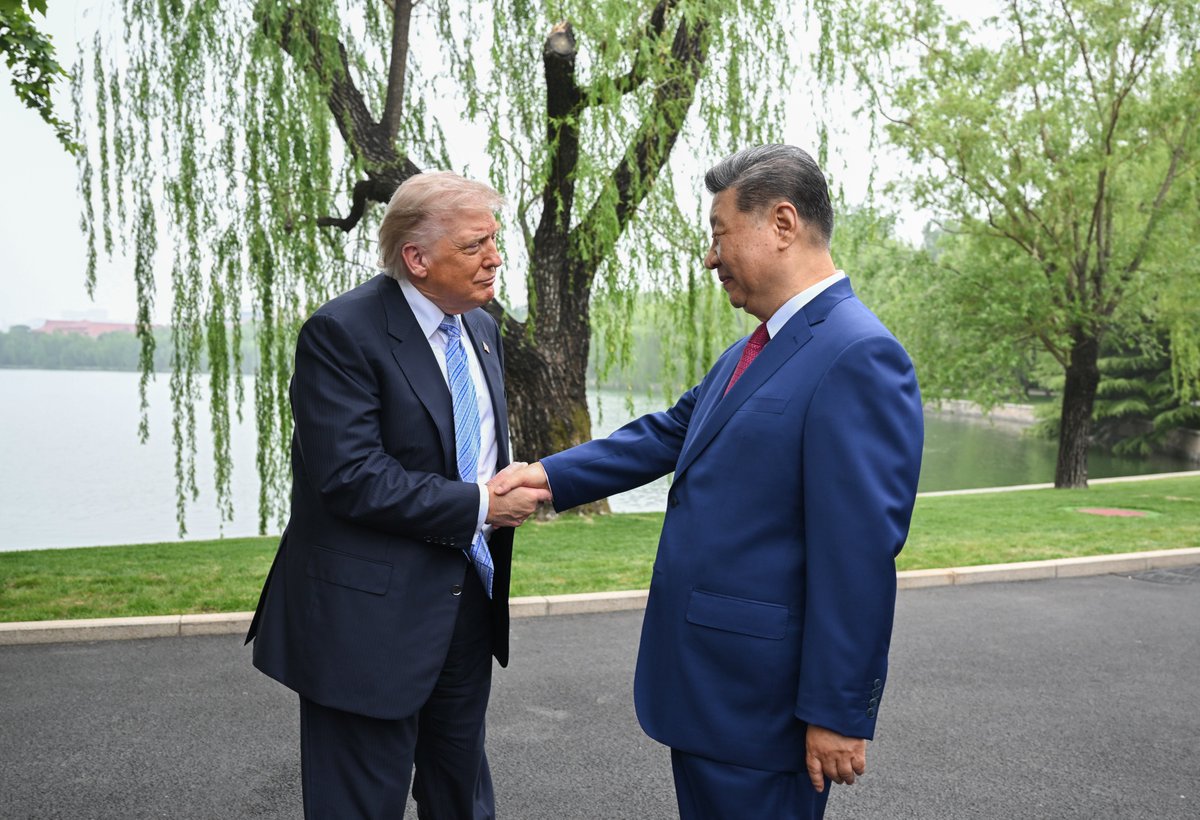
Addressing reporters after the conclusion of the G7 Summit in France, Trump revealed that he had personally communicated with Xi during the conflict and urged Beijing not to provide military equipment or assistance that could strengthen Iran’s defence capabilities.
“I want to thank China, President Xi,” Trump said, noting that the Chinese leader had remained “totally neutral” throughout the crisis. According to Trump, he held extensive discussions with Xi and specifically requested that China refrain from supplying military systems or technology to Tehran. The US President said Beijing largely respected that request, helping to prevent the conflict from becoming more complicated.
Trump also singled out Putin for what he described as a measured and neutral response. He said Russia, like China, could have made the situation significantly more challenging for Washington but chose not to intervene in a way that would have altered the military balance.
The remarks represented a rare public acknowledgement by an American President of constructive behaviour—or at least non-interference—by the United States’ two principal strategic competitors during a major international security crisis. The comments also underscored the delicate diplomatic balancing that accompanied the conflict, which raised concerns about possible involvement by major global powers because of their longstanding ties with Iran.
Defending the recently concluded agreement with Tehran, Trump argued that the military campaign had achieved its primary objectives while avoiding a wider regional war. He maintained that Iran had suffered severe military and infrastructure losses and would require many years to recover fully.
According to Trump, the damage inflicted during the conflict exceeded one trillion dollars, leaving Iran with a long and difficult rebuilding process. He stressed that any future economic relief or benefits for Tehran would depend on its willingness to comply with the terms of the agreement and avoid actions that could destabilise the region.
The President warned that if Iran failed to honour its commitments, the United States would not hesitate to respond. At the same time, he defended provisions allowing for the eventual release of frozen Iranian assets, rejecting criticism from opponents who argued that the move amounted to a concession.
Trump said the funds belonged to Iran and that indefinitely withholding another country’s assets could undermine confidence in the international financial system and the role of the US dollar. He argued that maintaining trust in American financial institutions required adherence to established legal and economic principles.
Responding to critics of the accord, Trump insisted that Iran entered negotiations from a position of weakness following sustained military pressure and economic sanctions. He rejected suggestions that Washington had compromised, saying Tehran agreed to talks only after suffering significant setbacks.
The President also highlighted the broader economic implications of the conflict, particularly the risks posed to global energy markets. He noted that continued military operations could have threatened shipping routes through the strategically important Strait of Hormuz, a vital corridor for international oil and gas supplies.
Trump argued that prolonged fighting would have jeopardised commercial shipping and energy exports, potentially disrupting global markets and harming economies worldwide. His comments reflected ongoing international concerns about maintaining stability in the Gulf region, where tensions have frequently raised fears of supply disruptions.
The President’s remarks illustrated the wider geopolitical dimensions of the Iran conflict, highlighting how the actions of major powers such as China and Russia can influence regional crises and shape the prospects for diplomatic resolution.



Israel Rejects Gaza Disarmament Plan, Says IDF Will Stay Until Hamas Fully Disarmed
Jerusalem, July 2026 : Israel has reiterated its strong opposition to the US-backed plan f…
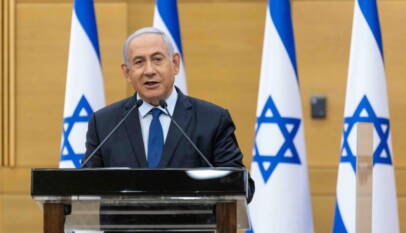
Israel Rejects Gaza Disarmament Plan, Says IDF Will Stay Until Hamas Fully Disarmed
Jerusalem, July 2026 : Israel has reiterated its strong opposition to the US-backed plan …