US Senator Introduces Bill to Freeze H-1B Visas for Three Years, Tighten Rules for Foreign Workers

Washington, July 2026 : A Republican senator has unveiled sweeping legislation that seeks to suspend the issuance of new H-1B visas for three years, significantly tighten eligibility requirements, and introduce stringent restrictions on foreign workers and international students. The proposal, if enacted, would represent one of the most comprehensive overhauls of the US skilled-worker immigration programme in decades.
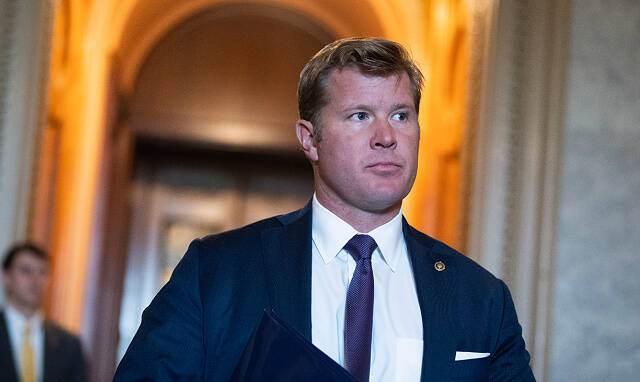
Senator Tim Sheehy of Montana introduced the End H-1B Visa Abuse Act of 2026 on Thursday, arguing that the existing H-1B programme has strayed from its original objective of addressing genuine shortages in highly specialised occupations and is increasingly being used to replace qualified American workers with lower-cost foreign labour.
Announcing the legislation, Sheehy said the bill is intended to restore the programme to its original purpose while strengthening safeguards for American workers and addressing national security concerns.
“The H-1B programme was created to address workforce shortages for specialised, difficult-to-fill positions—not to displace qualified, hardworking Americans with cheaper foreign labour,” the senator said in a statement.
“We shouldn’t be issuing work permits that make it easier to undercut American workers when we have the talent right here at home. This legislation restores the programme to its original intent, closes loopholes that encourage abuse, strengthens guardrails, and puts American workers first,” he added.
According to details released by Sheehy’s office, the bill proposes a complete halt on issuing new H-1B visas for three years. Once the programme resumes, it would operate under substantially stricter rules, lower annual quotas, and more rigorous employer obligations.
One of the key provisions of the legislation is reducing the annual H-1B visa cap to 25,000, a significant cut from current levels. The proposal also seeks to replace the existing lottery-based selection process with a wage-based allocation system that prioritises higher-paying positions, ensuring that visas are issued only for genuinely specialised and high-value jobs.
The legislation further incorporates President Donald Trump’s proposal to impose a US$100,000 fee on every H-1B petition, dramatically increasing the cost of hiring foreign professionals.
In another major change, the bill proposes a minimum annual salary requirement of US$200,000 for H-1B workers. Employers would also be required to certify that no qualified American worker is available for the position before recruiting a foreign national.
Additionally, companies seeking to hire H-1B workers would have to confirm that they have not laid off employees during the previous year and will not undertake layoffs during the following year, ensuring that foreign hiring does not come at the expense of domestic employment.
The proposed legislation also introduces several structural changes to the programme. It seeks to eliminate the current “dual intent” provision, which allows H-1B visa holders to apply for permanent residency while working in the United States. If passed, H-1B workers would no longer be able to pursue a Green Card while remaining under the temporary visa category.
The bill would also prohibit H-class visa holders from bringing dependants to the United States and bar federal government agencies from sponsoring or employing non-immigrant visa holders.
Another significant proposal targets international students. The legislation would eliminate employment authorisation programmes similar to Optional Practical Training (OPT), effectively preventing many foreign students and exchange visitors from working in the United States after completing their studies.
The measure also seeks to prohibit third-party staffing agencies from sponsoring H-1B workers, end concurrent employment that allows visa holders to work for multiple employers simultaneously, and restrict most non-immigrant visa holders from changing their immigration status while remaining in the United States.
Explaining the rationale behind the bill, Sheehy’s office argued that the H-1B programme has increasingly become “a large-scale labour substitution pipeline” rather than a mechanism to address genuine skill shortages.
The senator’s office further expressed concern over the growing employment of foreign contract workers in sensitive sectors such as artificial intelligence, advanced technology and defence-related industries, arguing that such trends raise issues related to data security, insider threats and potential foreign influence.
According to the statement, the legislation is designed to eliminate systemic abuse, strengthen oversight, and ensure that America’s immigration system better serves its workforce and national security interests.
The bill has already received support from immigration advocacy groups, including the Immigration Accountability Project and the Federation for American Immigration Reform (FAIR), both of which have long advocated tighter controls on employment-based immigration.
The proposal now enters the legislative process, where it is expected to trigger intense debate in Congress. Technology companies, multinational corporations and industry associations have traditionally defended the H-1B programme, arguing that it fills critical talent shortages in sectors such as information technology, engineering, healthcare, finance and scientific research.
The legislation is particularly significant for India, whose professionals account for the overwhelming majority of H-1B visa holders in the United States. Any major restructuring of the programme could have far-reaching implications for Indian IT companies, skilled professionals, multinational employers and thousands of students aspiring to build careers in the US.
(The content of this article is sourced from a news agency and has not been edited by the Mavericknews30 team.)






Amarnath Yatra Resumes After Six-Day Rain Halt, Pilgrims Hail Safety Arrangements and Renew Their Journey of Faith
Jammu, July 2026 : The annual Shri Amarnath Yatra resumed on Saturday after remaining susp…

Amarnath Yatra Resumes After Six-Day Rain Halt, Pilgrims Hail Safety Arrangements and Renew Their Journey of Faith
Jammu, July 2026 : The annual Shri Amarnath Yatra resumed on Saturday after remaining …