India-US Bilateral Trade Agreement Secures Preferential Access to $30 Trillion US Market

Feb 2026 : The India–United States Bilateral Trade Agreement (BTA) marks a significant milestone in India’s global trade strategy, ensuring sustained preferential access for Indian exports to the world’s largest consumer market, valued at over $30 trillion. According to an official statement issued on Monday, the agreement represents one of India’s most comprehensive trade engagements, delivering wide-ranging tariff reductions, zero-duty access across major product categories, and deeper cooperation in digital and technology sectors.
At a time when India’s total exports to the US stood at $86.35 billion in 2024, the BTA substantially strengthens India’s competitive position across several key industries. These include textiles and apparel, leather and footwear, gems and jewellery, agriculture, machinery, pharmaceuticals, home décor, and technology-driven manufacturing. By lowering trade barriers, the agreement is expected to accelerate export growth while creating jobs and supporting domestic production.
A major highlight of the pact is extensive tariff rationalisation. Tariffs on Indian exports worth $30.94 billion have been slashed from as high as 50 per cent to 18 per cent, while another $10.03 billion worth of exports will now enjoy zero-duty access. As a result, a large share of Indian goods entering the US market will face sharply reduced or eliminated tariffs, significantly enhancing price competitiveness for Indian exporters.
Labour-intensive sectors stand to benefit the most. Textiles and apparel exports, a cornerstone of India’s manufacturing economy, will see tariffs reduced from 50 per cent to 18 per cent. Silk products, in particular, have secured zero-duty access in a massive $113 billion US market. Machinery exports have also gained from tariff reductions to 18 per cent, opening fresh opportunities in a US market valued at $477 billion.
The leather and footwear sector has emerged as a major winner under the agreement. Tariffs on Indian leather exports have been brought down from 50 per cent to 18 per cent, positioning India as one of the most preferred suppliers in the $42 billion US leather and footwear market. Given the sector’s labour-intensive nature and strong MSME participation, the enhanced access is expected to drive employment generation and strengthen manufacturing clusters across the country.
Similarly, the gems and jewellery sector has received a significant boost. Tariffs on exports have been reduced from 50 per cent to 18 per cent, offering preferential entry into a $61 billion US market. In addition, zero-duty access has been secured for key product categories such as diamonds, platinum and coins, collectively covering a $29 billion market.
Agricultural exports have also gained meaningful access under the deal. Indian agri-exports worth $1.36 billion will now face zero additional US duties, with products such as spices, tea, coffee, fruits, nuts and processed foods benefiting from duty-free treatment. At the same time, India has ensured strong safeguards for highly sensitive sectors. Dairy, meat, poultry and cereals remain fully protected, addressing concerns related to farmer livelihoods and food security.
The agreement also creates a clear tariff advantage for India over competing exporters. While duties on Indian products have been reduced, several rival suppliers continue to face significantly higher tariffs in the US market, including China at 35 per cent, Vietnam and Bangladesh at 20 per cent, and Malaysia, Indonesia, the Philippines, Cambodia and Thailand at around 19 per cent.
Overall, the India–US BTA is expected to deepen economic ties, strengthen India’s export competitiveness, and reinforce its position as a trusted global manufacturing and trade partner.
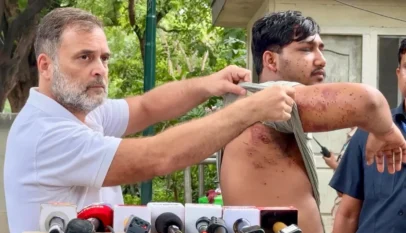


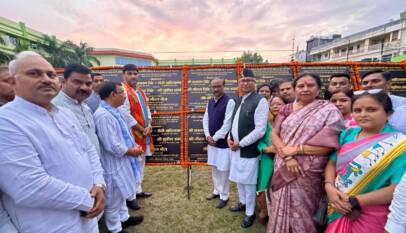

Rahul Gandhi Calls Dharmendra Pradhan’s Resignation a Victory for Students, Demands Further Action
New Delhi, July 2026 : Leader of the Opposition in the Lok Sabha Rahul Gandhi on Saturday …
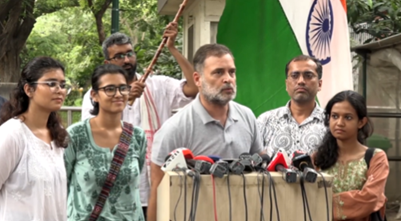
Rahul Gandhi Calls Dharmendra Pradhan’s Resignation a Victory for Students, Demands Further Action
New Delhi, July 2026 : Leader of the Opposition in the Lok Sabha Rahul …