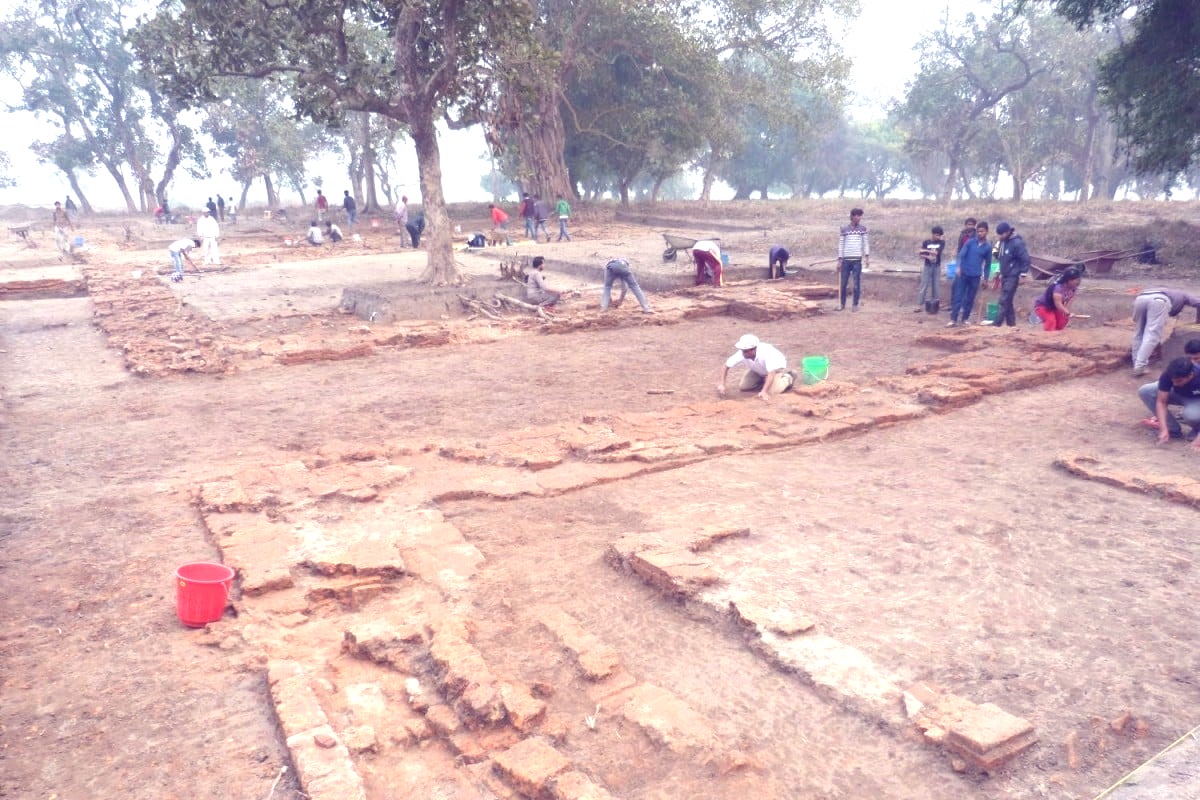
Archaeologists Hope The Newly Discovered Ruins At Siddhartha Gautam’s Childhood Palace Will Help Secure UNESCO World Heritage Status.

Tilaurakot, Nepal; February 2026: A newly unearthed temple could change that, archaeologists say, offering fresh evidence that Tilaurakot once held far greater religious significance to Buddhists than its quiet present suggests.
The apsidal temple, distinguished by its semi-circular rear wall, was uncovered within the ancient citadel and is believed to date from between the third and fifth centuries AD. Researchers say it is the first structure of its kind identified in Nepal. The archaeologist’s argue that the discovery, which has been announced last week, adds to evidence that Tilaurakot was not only a political centre of the Sakya kingdom but also an active site of Buddhist worship and pilgrimage.
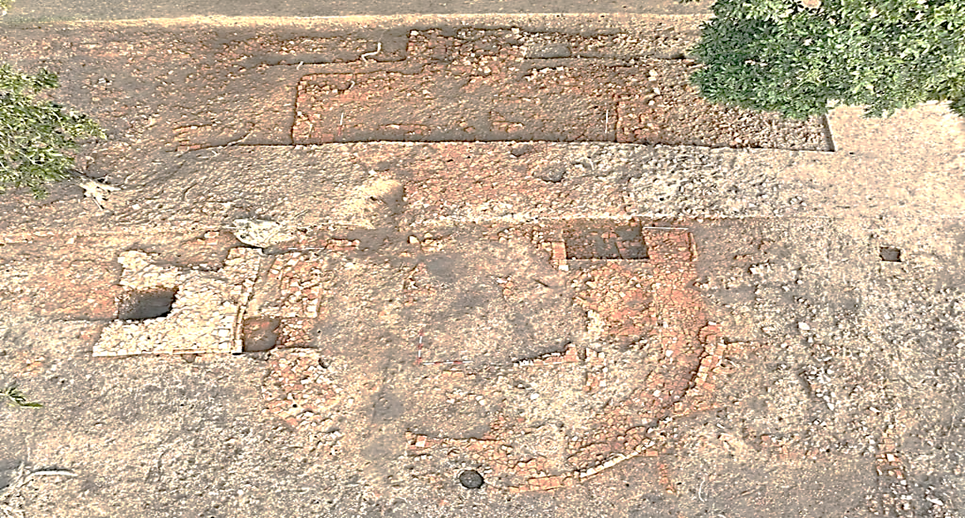
Robin Coningham, a professor at England’s Durham University and Co-Director of the excavations, told media outlets that the temple was discovered inside a monastery courtyard built over the remains of a palatial complex. The excavation team, including experts from Nepal’s Department of Archaeology and Lumbini Development Trust have found evidence of stupas, oil lamps and alms bowls, indicating Tilaurakot’s direct association with Buddhist places of worship.
“People often ask about the evidence of Buddhism in Tilaurakot”, said Coningham, who specialises in South Asian archaeology. “Now we have absolute irrefutable evidence that this place was hugely significant for Buddhist pilgrims in the past. This stunning Buddhist monument we have discovered is only found at the most significant places of Buddhism”. Coningham said Tilaurakot’s apsidal temple was identical to the one at Sarnath in India, where Buddha preached his first sermon, adding that the two monuments associated with Buddha’s life provided a clear historical link.
The discovery is further supported by accounts from Chinese pilgrims and monks, including the renowned Faxian and Xuanzang, who visited the region between the fifth and seventh centuries AD – which archaeologists believe describe Tilaurakot.
Tilaurakot’s fortified site, considered one of the best-preserved inner citadels in South Asia, lies in southern Nepal’s Lumbini province, about 27 kilometres (17 miles) from the Maya Devi Temple, the Buddha’s birthplace, named after his mother.
The ruins, comprising a citadel measuring 500 metres (1,560 feet) by 400 metres (1,310 feet), were first identified as the likely site of the Sakya capital by Indian archaeologist P.C. Mukherjee in 1899. Excavations have since revealed ancient roads, shrines, pottery, terracotta figurines, stone objects and silver and copper coins dating back to around the third century BC.
“Tilaurakot is a special place for Buddhists”, said Daya Ram Gautam, a scholar of Buddhist philosophy and campus chief at the Lumbini Buddhist University. “This is where Siddhartha Gautam spent 29 years of his life and returned after becoming Buddha to deliver his sermon about a year after his enlightenment”. However, he lamented that Tilaurakot had failed to attract pilgrims the way the Maya Devi Temple did, citing inadequate government efforts to connect the Buddha’s life story to the site.
In 2025, about 1.1 million tourists comprising domestic and international have visited Lumbini, which is a 05% drop from the previous year, according to the Lumbini Development Trust. By contrast, only around 80,000 people visited Tilaurakot, sharply down from 152,000 in 2024.
Last year, UNESCO deferred adding Tilaurakot-Kapilvastu to its World Heritage List, requesting that Nepal complete investigation of the apsidal temple, provide more precise dating and history, and conduct further research establishing Tilaurakot as a pilgrimage site. Archaeologists hope the latest discovery could strengthen Tilaurakot’s case with UNESCO next year, noting that many more relics may be waiting to be unearthed.
“Research is, as we demonstrated with the apsidal temple, a critical path to enhancing pilgrimage”, Coningham said. “By exposing these monuments and then conserving them, pilgrims will recognise them immediately, they will spend more time, and they will also be more aware. But research takes time”.
Despite being one of Buddhism’s holiest sites, Lumbini has struggled to attract the visitor numbers seen at Bethlehem, Mecca or Ayodhya, which are the birthplaces of Jesus, Prophet Muhammad and the Hindu god Ram respectively. Tourism industry figures blame both provincial and central governments for failing to promote it effectively as a religious hub or soft power symbol.
“There is so much construction including roads, monasteries and other infrastructure causing mass scale noise; that there is no sense of spirituality and peace that people come looking for in Lumbini”, said Lilamani Sharma, Chairman of the Lumbini Hotel Association. “We haven’t been able to deliver that as a destination or create an environment that will attract more religious tourists”.
According to Sharma, many pilgrims from India travel in groups and spend only a few hours in Lumbini, offering little economic benefit. The airport in Bhairahawa, about 21 kilometres (13 miles) away and opened in 2022, has also failed to attract regular international flights, with only Thai AirAsia operating twice weekly.
“Our government has failed to promote Lumbini the same way India promotes Bodh Gaya”, he said, referring to the village where Buddha attained enlightenment. “We Nepalis like to assert that Buddha was born in Nepal but do little to promote Buddha’s values or his birthplace”.
But archaeologists warn that any tourism boom in Lumbini should be carefully managed. Kosh Prasad Acharya, former director general of the Department of Archaeology and co-director of the Tilaurakot excavations, cautioned that mass tourism could harm heritage sites, calling the airport “a ticking time bomb” without proper planning to manage an influx of visitors.
“We have to carefully plan the protection of heritage before something wrong happens. There must be relevant experts in policymaking, so that the focus is not just on development but preservation, too”, Acharya said.
Team Maverick.




Jana Sena Picks Lingamaneni Ramesh for Rajya Sabha, Strengthening NDA’s Parliamentary Presence in Andhra Pradesh
Amaravati, June 2026 : The Jana Sena Party has officially nominated senior leader Lingaman…
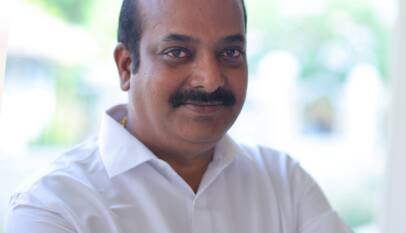
Jana Sena Picks Lingamaneni Ramesh for Rajya Sabha, Strengthening NDA’s Parliamentary Presence in Andhra Pradesh
Amaravati, June 2026 : The Jana Sena Party has officially nominated senior leader Lingamaneni …