India Pays Condolences to Iran After Death of Supreme Leader Khamenei

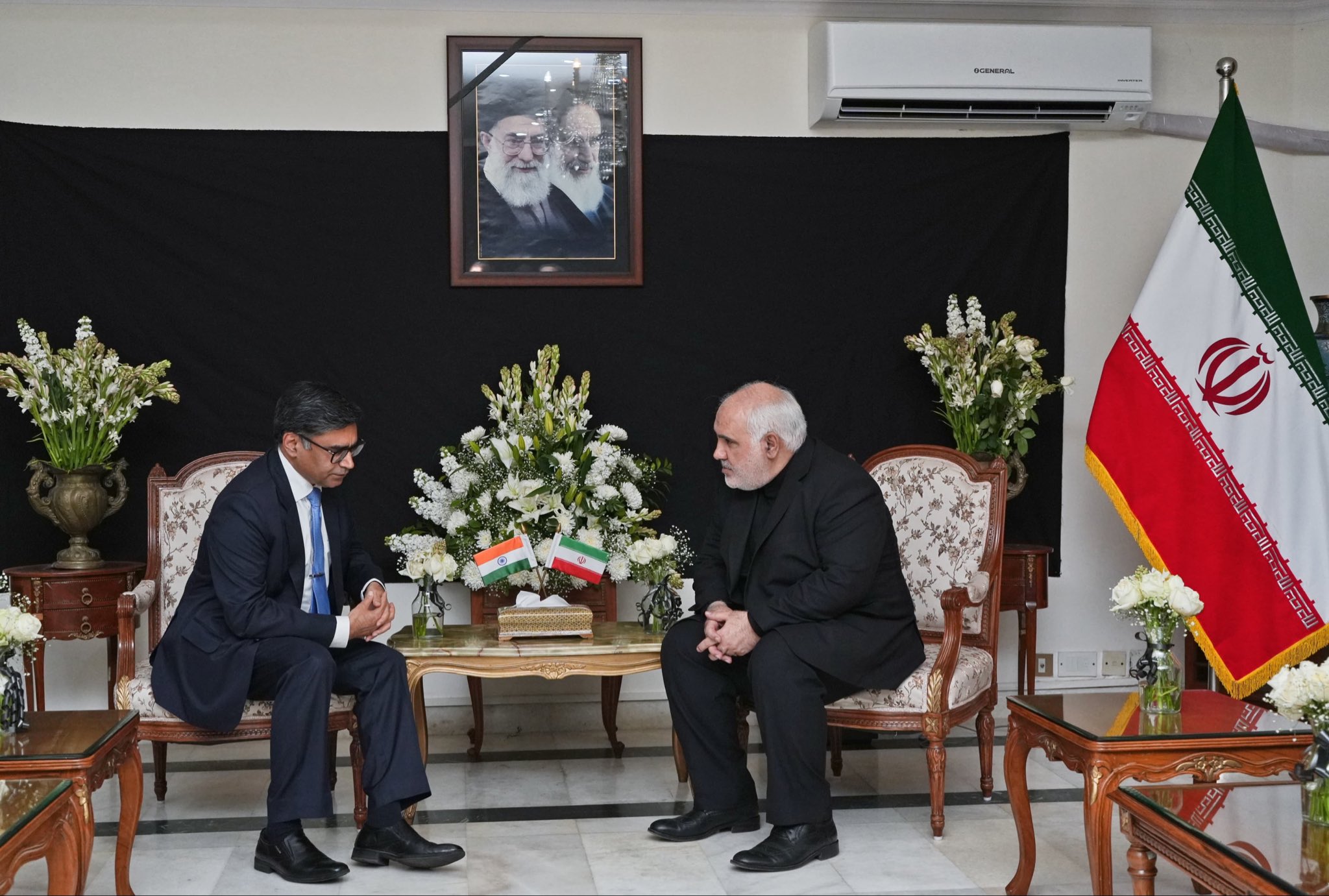
New Delhi, March 2026 : Vikram Misri, India’s Foreign Secretary, on Thursday visited the Embassy of Iran in New Delhi to sign the condolence book and convey the Government of India’s sympathies following the death of Iran’s Supreme Leader Ayatollah Ali Khamenei.
During the visit, Misri met Mohammad Fathali, the Ambassador of Iran to India, and formally expressed condolences on behalf of the Indian government and people. The gesture reflected India’s diplomatic outreach at a time of heightened tensions in West Asia following the dramatic developments surrounding Khamenei’s death.
According to reports, Khamenei was killed on February 28 in a major military strike reportedly carried out jointly by the United States and Israel. The incident is being viewed as a historic turning point in Iran’s political trajectory, potentially reshaping the country’s leadership structure and regional dynamics after more than four decades of clerical rule.
Following the announcement of his death, Iran declared several days of national mourning. Across the country, public gatherings, memorials and official statements emphasised unity and resilience. Iranian authorities described the incident as an act of aggression and vowed that the nation would continue to stand firm in the face of external pressure.
In New Delhi, the Iranian Embassy opened a condolence book to allow members of the diplomatic community and the public to pay their respects. The embassy invited representatives from governments, diplomatic missions, and Indian citizens wishing to express their sympathies to visit the premises and sign the book. The condolence register will remain open on three days — March 5, March 6, and March 9.
Meanwhile, Iran has issued a strong warning regarding what it termed “criminal military aggression” by the United States and Israel. Speaking to reporters in New Delhi, Ambassador Mohammad Fathali said Iran had not initiated the conflict but would respond firmly to protect its sovereignty.
According to the envoy, Iran had been engaged in diplomatic negotiations prior to the escalation. However, he alleged that the attacks took place before diplomatic processes could reach a conclusion.
“We were at the negotiation table. They destroyed the negotiation table. They started the war. We are subjected to military, criminal military aggression,” Fathali said, adding that Tehran had already announced its intention to respond strongly.
The ambassador also raised serious allegations regarding attacks on civilian targets, claiming that educational institutions were among the first sites struck. He stated that one of the incidents reportedly led to the deaths of a large number of schoolchildren, which he described as a “terrible tragedy.”
Fathali also referred to reports of an attack involving a US submarine targeting an Iranian naval vessel in the Indian Ocean. While condemning the incident, he said Iran possessed significant military capabilities and would determine the course of the conflict. According to him, Tehran does not seek a prolonged war but retains the ability to respond strategically.
He further stated that Iran maintains friendly relations with neighbouring countries and does not target them. However, he warned that any military bases used to launch attacks against Iran could become potential targets.
Commenting on India’s position, the ambassador highlighted the long-standing relationship between the two countries. He said Iran values its historical ties with India and hopes to strengthen bilateral cooperation despite the current tensions.
“We have a good relationship with the Indian government. Our ties go back a long way, and we believe these relations should continue to grow stronger,” Fathali said.
At the same time, he remarked that the present situation has placed governments and nations across the world under scrutiny, as global reactions to the crisis continue to evolve.
Reiterating Iran’s stance, the envoy concluded by saying that while the country remains prepared for both conflict and dialogue, its preference remains peace. “Iran is ready for war and peace,” he said, “but we absolutely prefer peace.”





Aashadhi Yatra ‘Lalpari’ has attracted millions of devotees and followers of Vishwasachi!
More than 9 lakh people through 5500 buses, physical and travel comfort, safe travel ̵…

Aashadhi Yatra ‘Lalpari’ has attracted millions of devotees and followers of Vishwasachi!
More than 9 lakh people through 5500 buses, physical and travel comfort, safe travel …