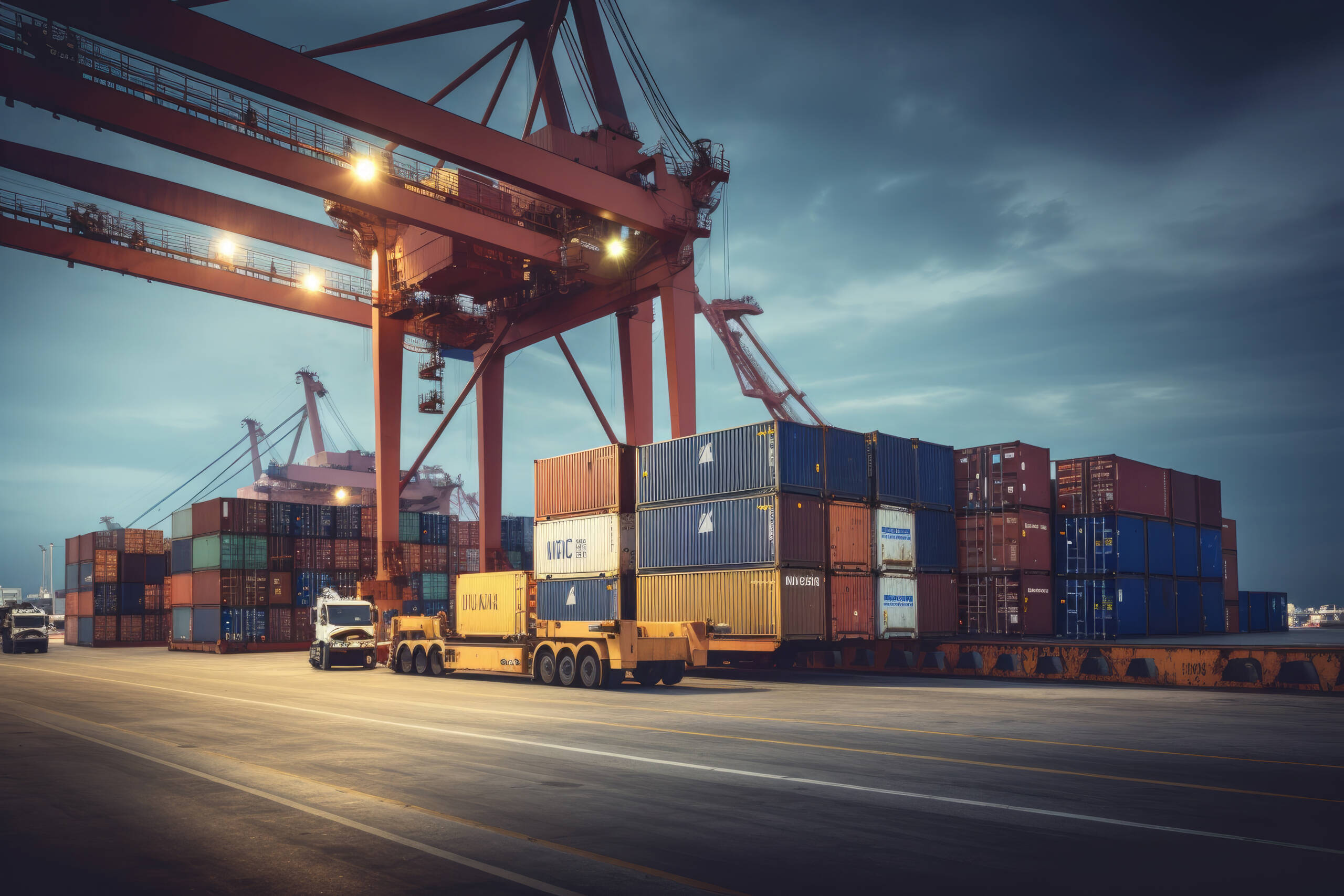
US Launches Trade Probe into India and 15 Economies Over Industrial Overcapacity

Washington, D.C., March 2026 : The United States has initiated a broad trade investigation into India and 15 other major economies over concerns about excessive industrial capacity in manufacturing sectors, a development that could potentially lead to new tariffs or other trade restrictions in the future.
The probe was announced by Jamieson Greer, the US Trade Representative, on Wednesday. Officials said the investigation will examine whether government policies in these economies are encouraging production levels that exceed market demand and whether such practices unfairly affect US commerce.
According to Greer, the administration believes that some of America’s trading partners have built production capacity far beyond what domestic and global demand justifies. Speaking during a press briefing, he noted that this situation could create significant imbalances in global trade.
“Our view is that key trading partners have developed production capacity that is really untethered from the market incentives of domestic and global demand,” Greer said. He explained that such conditions may result in overproduction, persistent trade surpluses, and underutilised manufacturing capacity in many sectors.
The investigation will be conducted under Section 301 of the Trade Act of 1974, a US trade law that allows Washington to take action against foreign government policies considered unfair, discriminatory, or harmful to American businesses and trade interests.
Apart from India, the economies included in the probe are China, the European Union, Singapore, Switzerland, Norway, Indonesia, Malaysia, Cambodia, Thailand, South Korea, Vietnam, Taiwan, Bangladesh, Mexico, and Japan.
US officials believe that several indicators may point to excess capacity in these economies. These include large current account surpluses, significant bilateral trade surpluses with the United States, unused manufacturing capacity, and high levels of production that may exceed domestic demand.
Greer also suggested that government interventions could be playing a role in encouraging production and exports in ways that distort normal market signals. Such interventions, he said, may include subsidies, financial incentives, and policies that support industries regardless of actual supply and demand conditions.
“These policies can promote production and exports that are not tied to economic drivers of supply, demand, or investment,” Greer explained. He added that state involvement in industries, financial assistance programmes, and market barriers could also contribute to excessive production levels.
The Office of the United States Trade Representative will now begin a formal process to examine these concerns. The investigation will include consultations with governments, requests for public comments, and hearings before a final determination is made.
Under the announced timeline, the public docket for written comments and requests to participate in hearings will open on March 17. Interested parties will have until April 15 to submit their comments and documentation for consideration.
Public hearings conducted by the inter-agency Section 301 Committee are scheduled to begin on May 5 in Washington, where businesses, industry groups, and other stakeholders may present their views and evidence.
Following the review of written submissions, testimony from hearings, and consultations with the countries involved, the US Trade Representative will determine whether any foreign practices violate US trade rules and whether retaliatory measures such as tariffs are justified.
Greer emphasized that the investigation is only at its initial stage and that the administration will carefully examine all available evidence before taking any action. He said the objective is to better understand the drivers behind global manufacturing overcapacity and determine whether government policies are contributing to the problem.
US officials say that structural overcapacity in manufacturing has become an increasing concern in global trade. When countries produce significantly more goods than global demand requires, it can lead to persistent trade imbalances and increased exports at lower prices, potentially harming industries in other economies.
The investigation will examine a wide range of manufacturing sectors, including automobiles, steel, electronics, machinery, chemicals, and solar modules. Policymakers believe that excessive production capacity in these industries has become a recurring issue affecting global markets.
The outcome of the investigation could have important implications for international trade relations, particularly for countries that maintain strong export ties with the United States. While the probe does not automatically lead to punitive measures, it opens the possibility for future trade actions if the US determines that certain policies are harming American industries.
(The content of this article is sourced from a news agency and has not been edited by the Mavericknews30 team.)






Andhra Pradesh Announces Cash Incentive for Higher Births as CM Naidu Pushes Population Growth Agenda
Amaravati, May 2026: In a significant policy shift aimed at addressing declining birth rat…

Andhra Pradesh Announces Cash Incentive for Higher Births as CM Naidu Pushes Population Growth Agenda
Amaravati, May 2026: In a significant policy shift aimed at addressing declining birth rates, …